Blue fenugreek
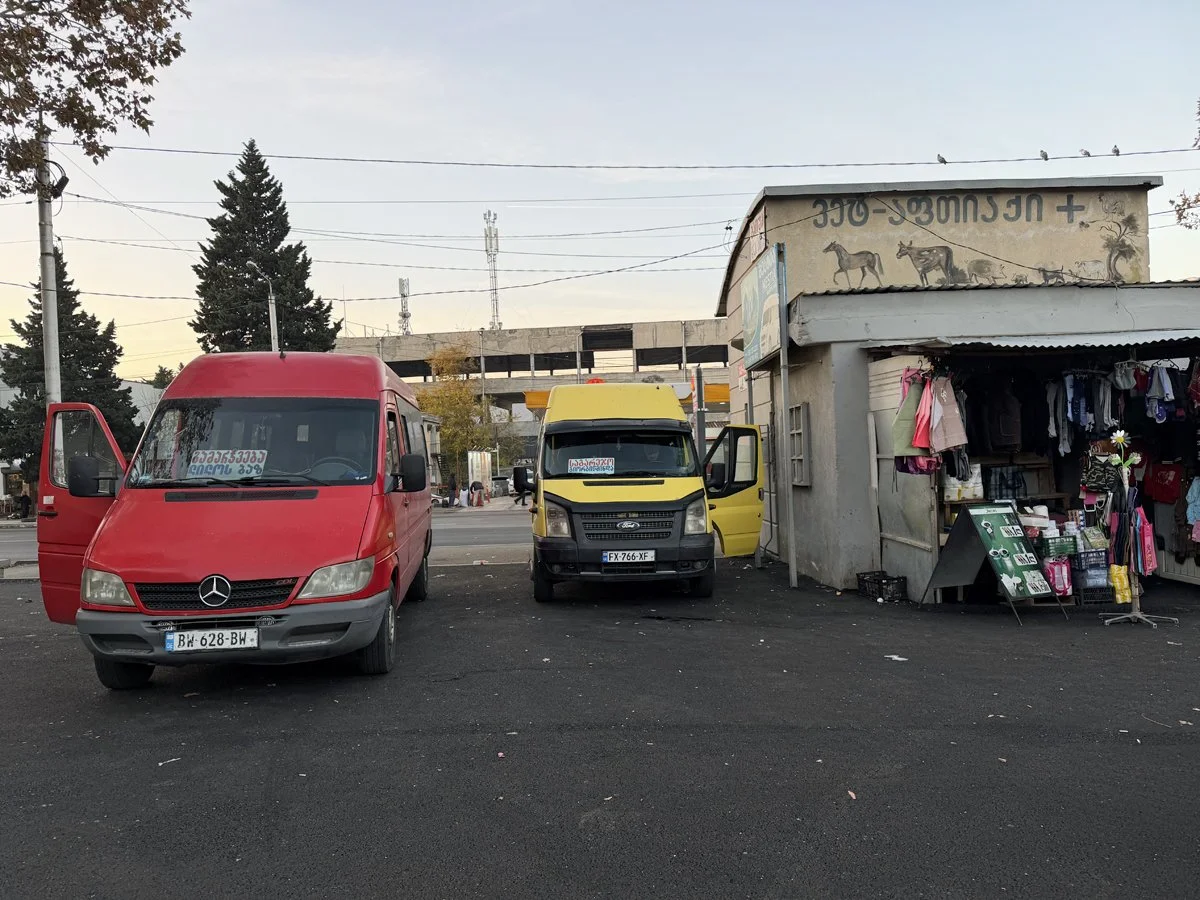
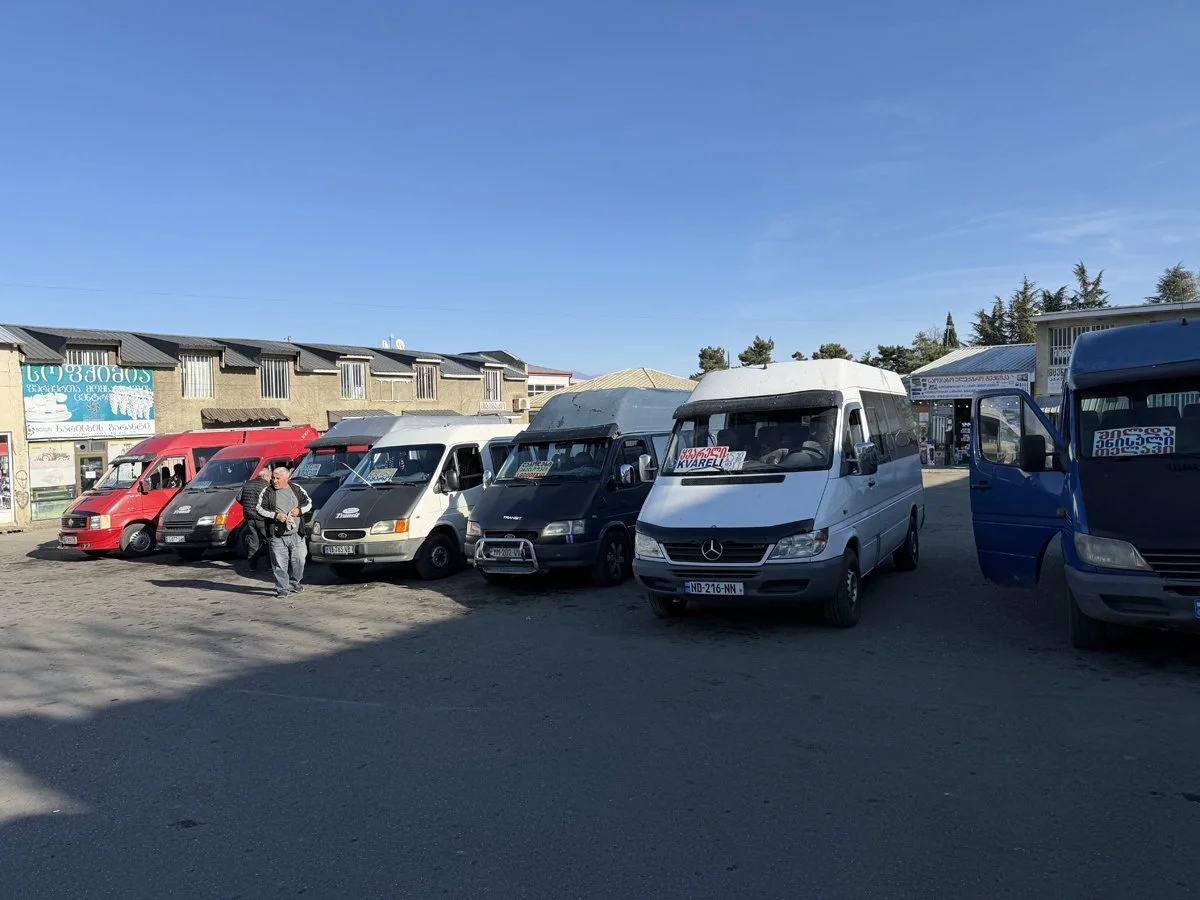
On Wednesday I took a day trip to Telavi. The main reason I ended up there was that my Georgian Airlines Boeing 737 was named Telavi. There was supposed to be a minibus leaving every hour from 8 o’clock in the morning. I arrived at 7:30, but it took almost two hours before a minibus with Telavi as its destination finally arrived. Then it took another half hour before the bus actually departed. My entire day’s schedule went out the window, and I didn’t really have a plan B.
This 737 has an interesting history. It was originally delivered to the Canadian airline WestJet in May 2008. Under the registration EK73786, it was operated by Aircompany Armenia from July 2016. In May 2017, it was re-registered as 4L-TGO and operated by Airzena/Georgian Airways, before being returned to Aircompany Armenia in July 2019. In June 2021, the aircraft was re-registered with Georgian Airways as 4L-GTI, where it remains in the fleet under the name Telavi.

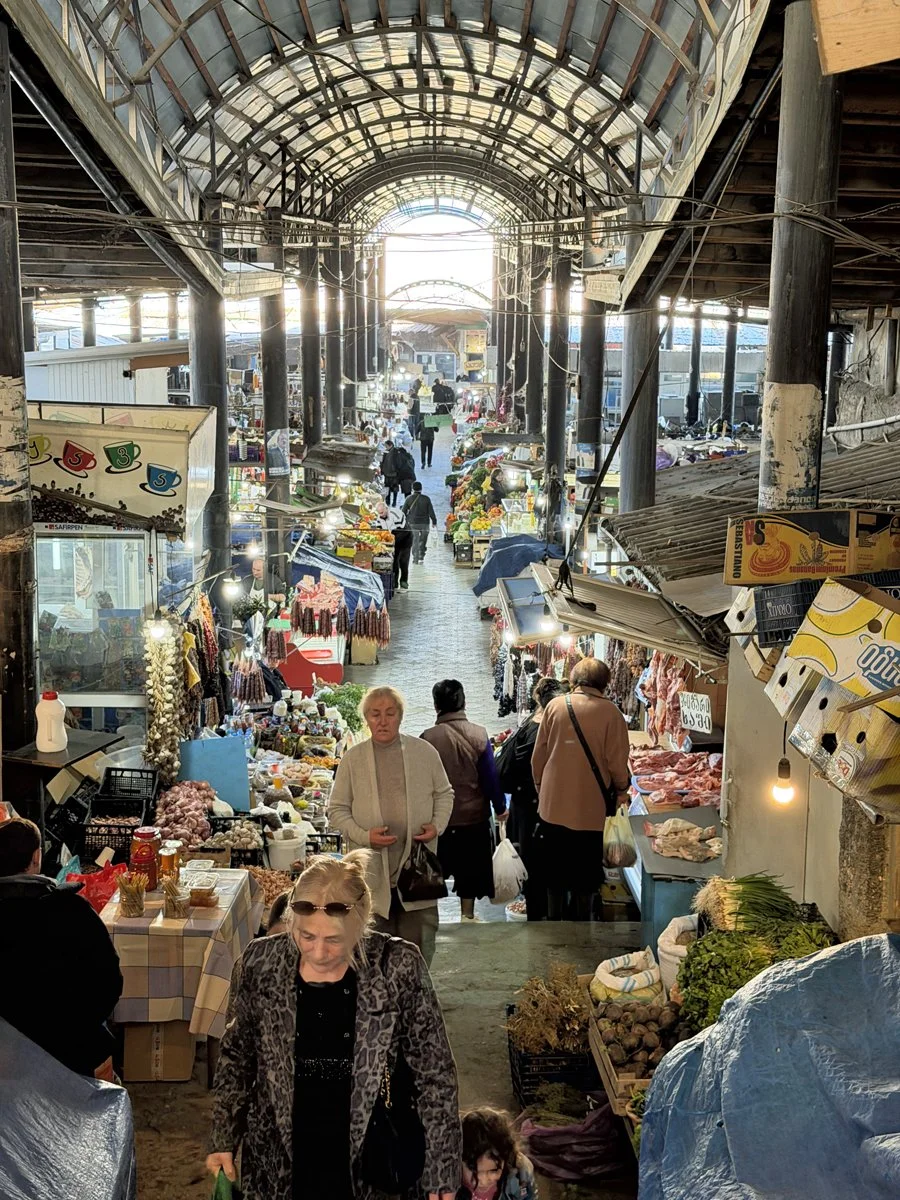
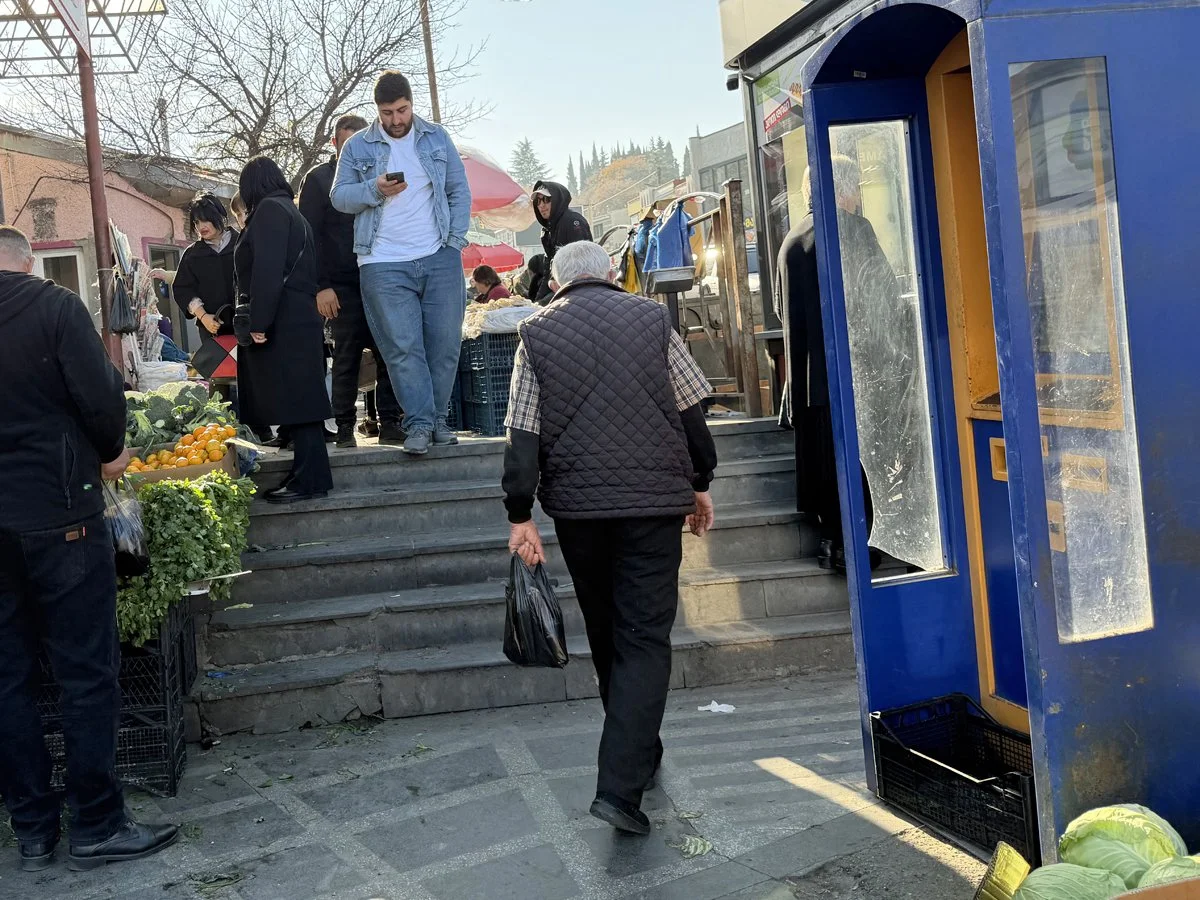
I arrived in Telavi after noon instead of early in the morning. Without having had breakfast, I was ravenously hungry. The minibus station was next to a market, which I found fascinating: cuts of meat I can only dream of. Dutch butchers don’t offer much meat I can use—I want bones and fat included. I don’t eat meat often, maybe twice a week, but when I do, I want it to taste good. Given the strong link between red meat consumption and heart disease, I started to wise up.
Driven by hunger, I walked into a restaurant more or less at random. After the first bite, I wasn’t pleased with the quality. I didn’t want to spoil my hunger by eating something mediocre, so I paid and left. I didn’t realize it would be evening before I ate again. I had no Plan A, and Plan B was still elusive.
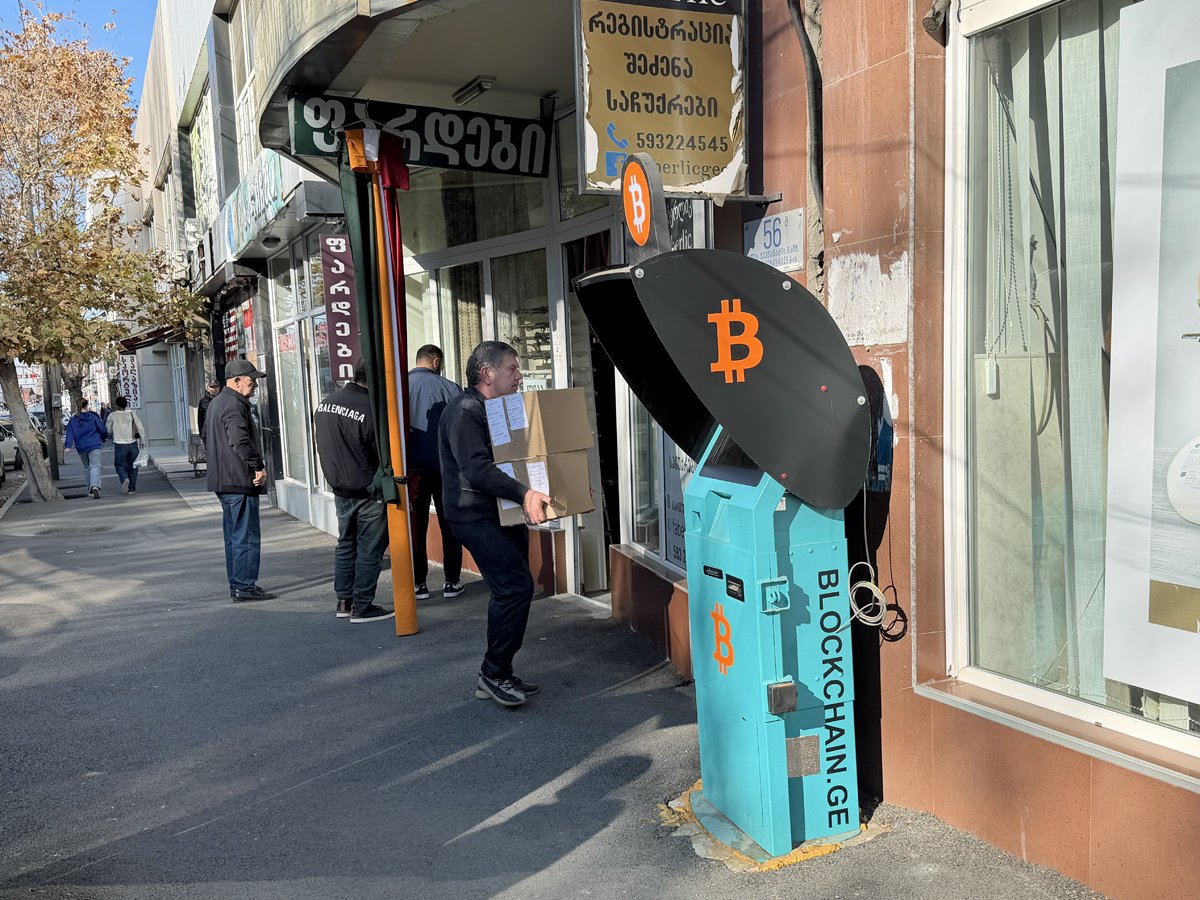
I had never seen an ATM with the Bitcoin logo before. Blockchain.ge is a cryptocurrency exchange and trading platform based in Tbilisi where users can buy, sell, and trade major cryptocurrencies like Bitcoin, Ethereum, and others. Georgia is considered crypto-friendly. It even attracts crypto businesses and mining due to low energy cost.
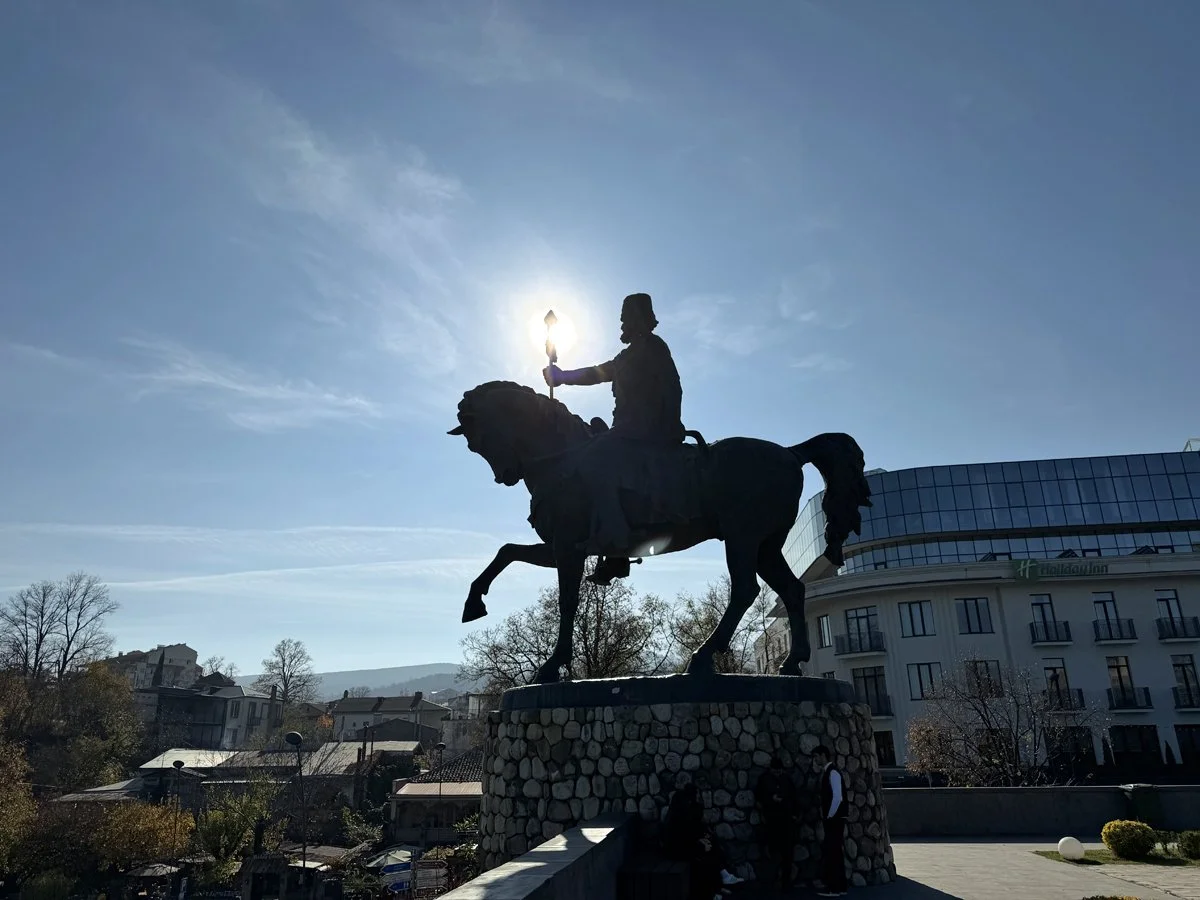
The statue of King Heraclius II (Erekle II). He ruled as King of Kakheti from 1744 and, after 1762, as the king of the united kingdoms of Kartli and Kakheti and attempted to strengthen Georgian independence amid pressure from Persia and the Ottoman Empire. In 1783 he placed his kingdom under Russian protection in hopes of safeguarding Georgia — a move that had complex long-term consequences for Georgian sovereignty.
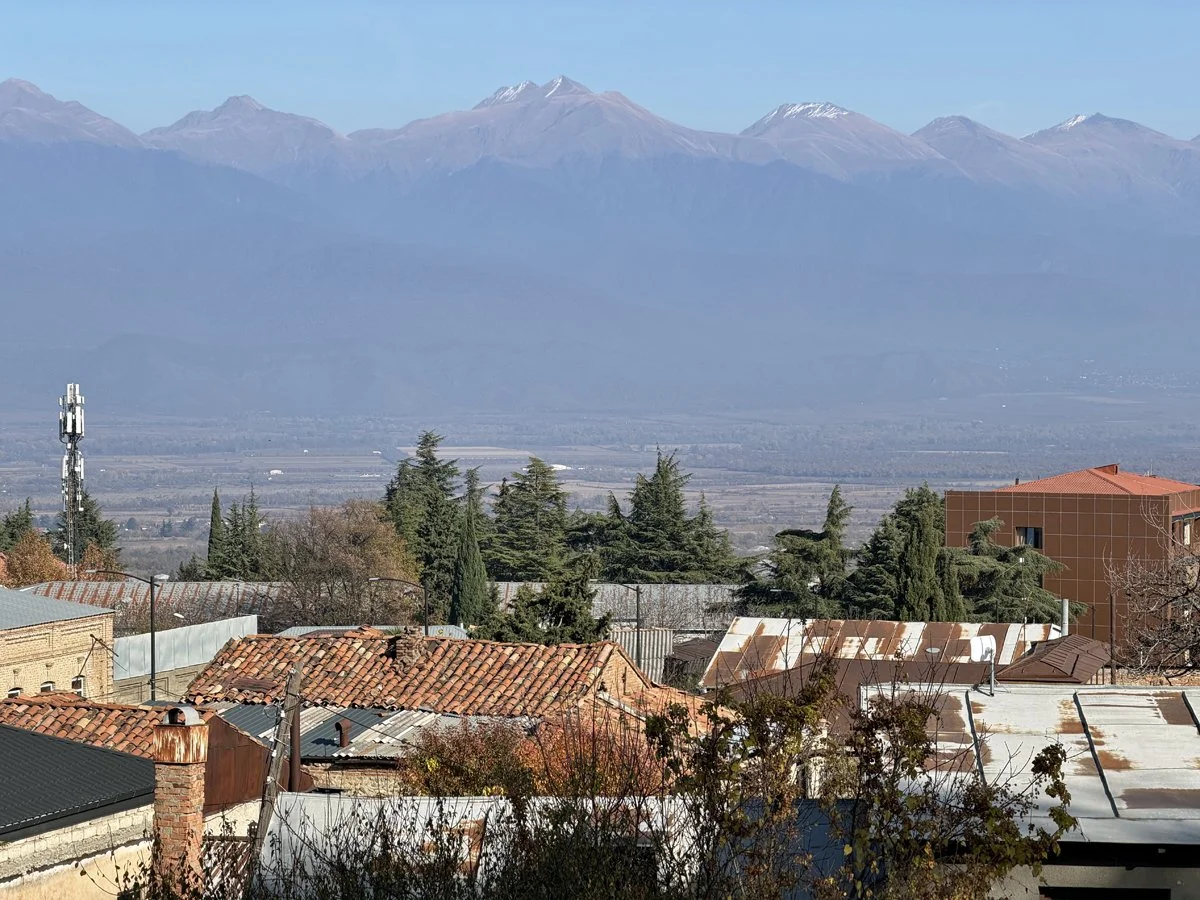
I collected so many recipes and food ideas during all my travels that I was sure I wouldn’t go looking for another dish to try at home—until I read about blue fenugreek. I know fenugreek well and keep it in my kitchen, but I had never heard of blue fenugreek. The name alone was evocative.
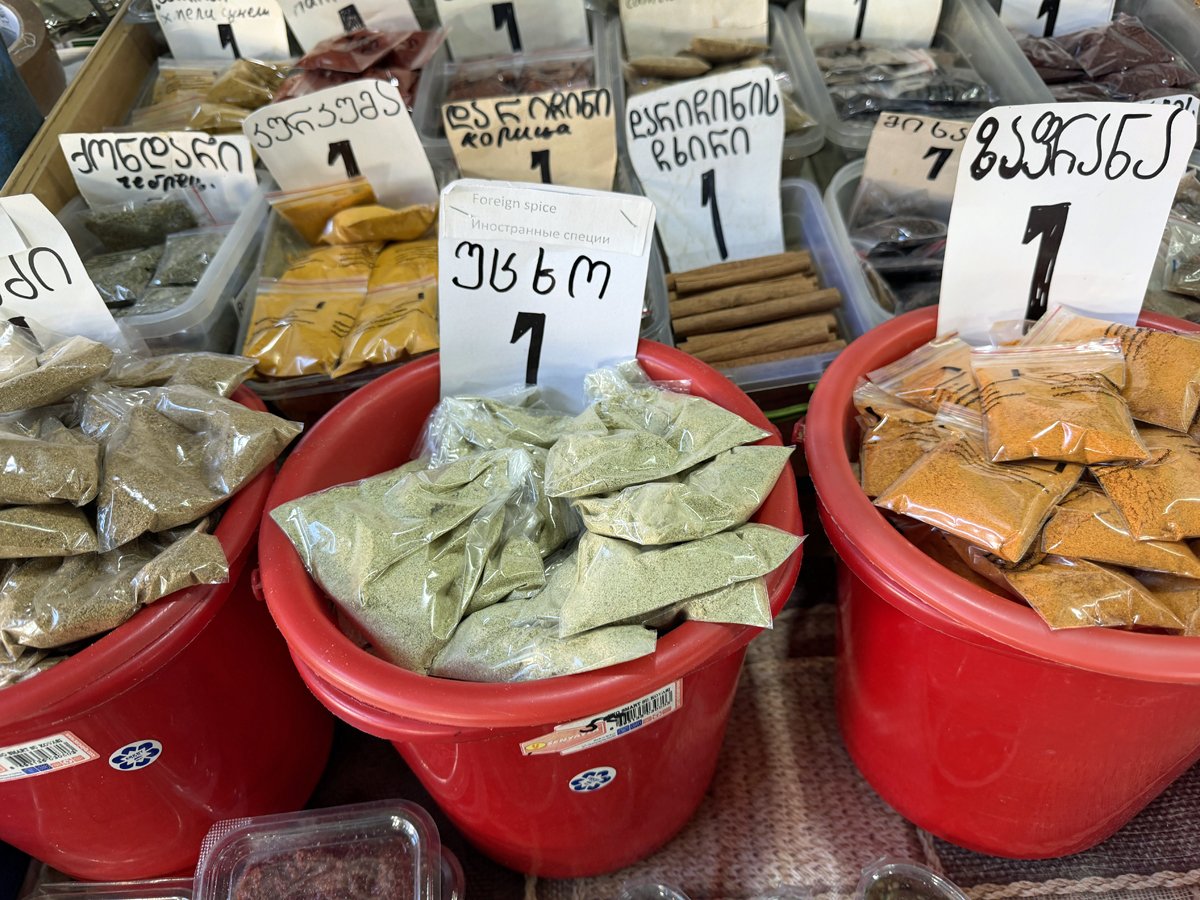
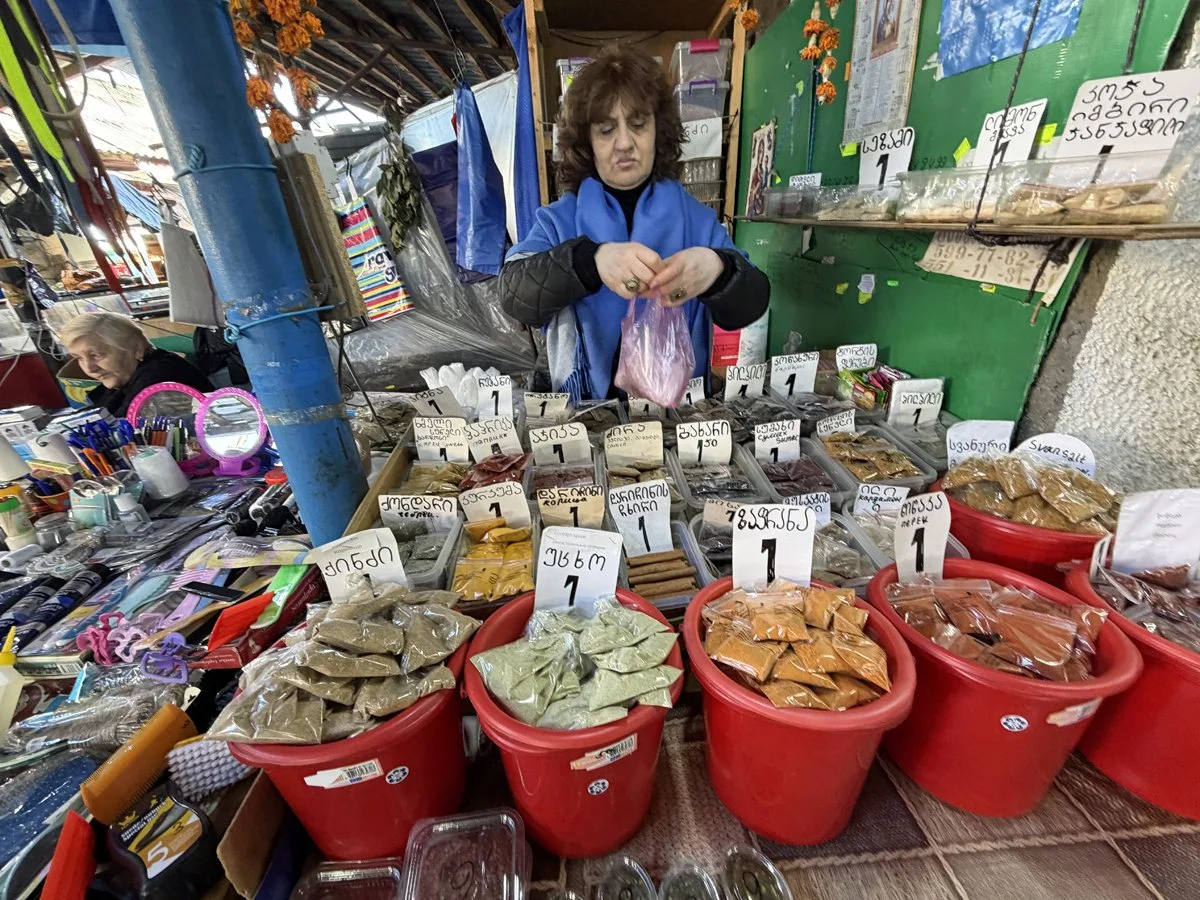
Blue fenugreek is the dried seed pod (and sometimes the leaf) of Trigonella caerulea, a plant related to common fenugreek but not the same species. In Georgian, it is called უცხო სუნელი (utskho suneli, literally foreign spice). Outside Georgia, it is used in the Swiss and Austrian Alps, where it is known as Blauschabziger or Schabzigerklee.
In Georgia, blue fenugreek is used in khmel-suneli (the country’s classic spice mix), lobio (bean dishes), adjika, satsivi, pkhali, chakapuli, and various walnut sauces and stews. I bought three packages and was given a fourth for free. Since then, I’ve been using it back in Amsterdam to flavor Georgian vegetable dishes and bean stews.
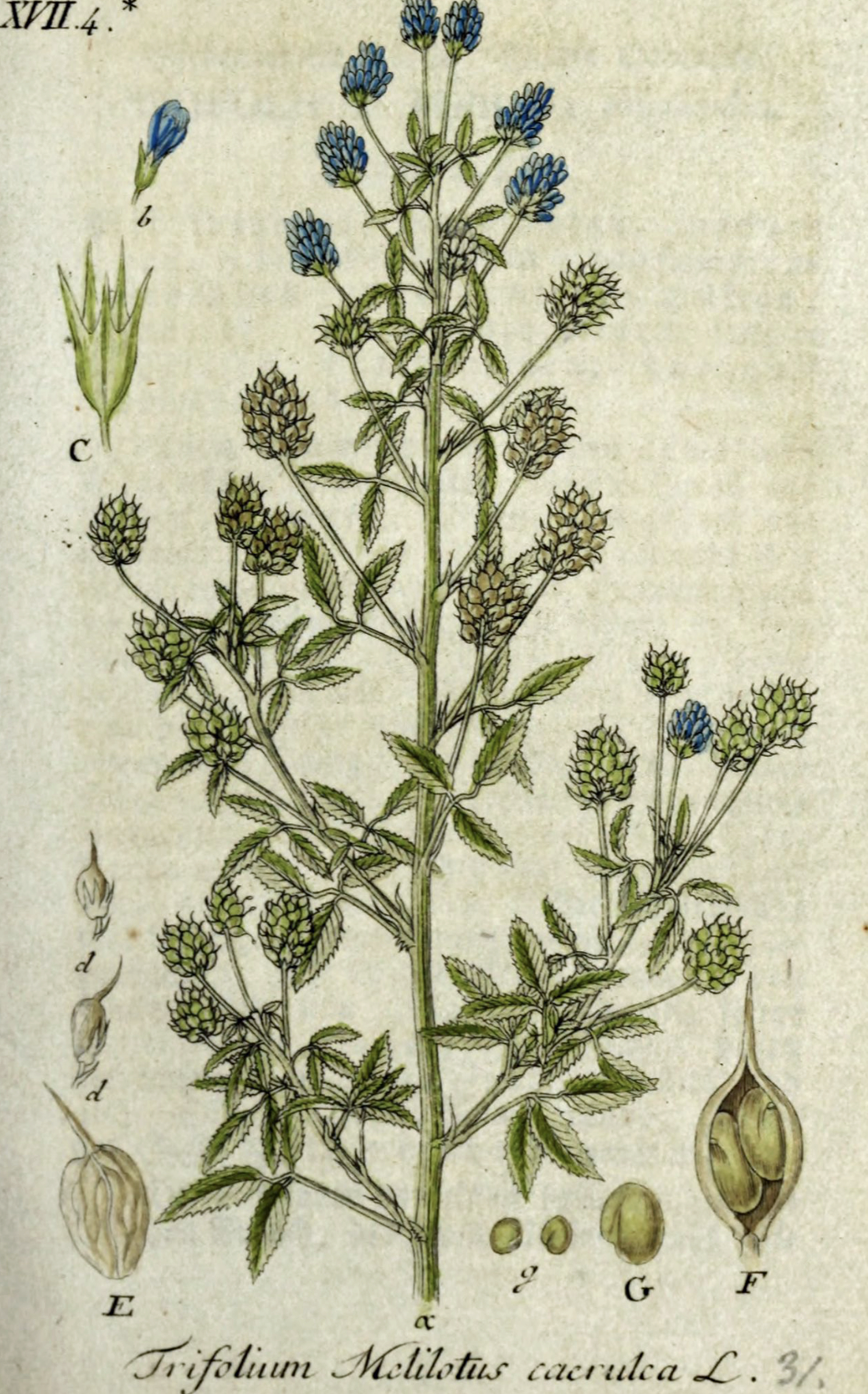
Deutschlands flora in abbildungen nach der natur" (1798).
The last minibus back to Tbilisi was supposed to leave before dark. I could have booked a hotel in Telavi, but I decided to head back to my apartment. I hadn’t had time to visit the vineyards, but you can’t have it all in life.
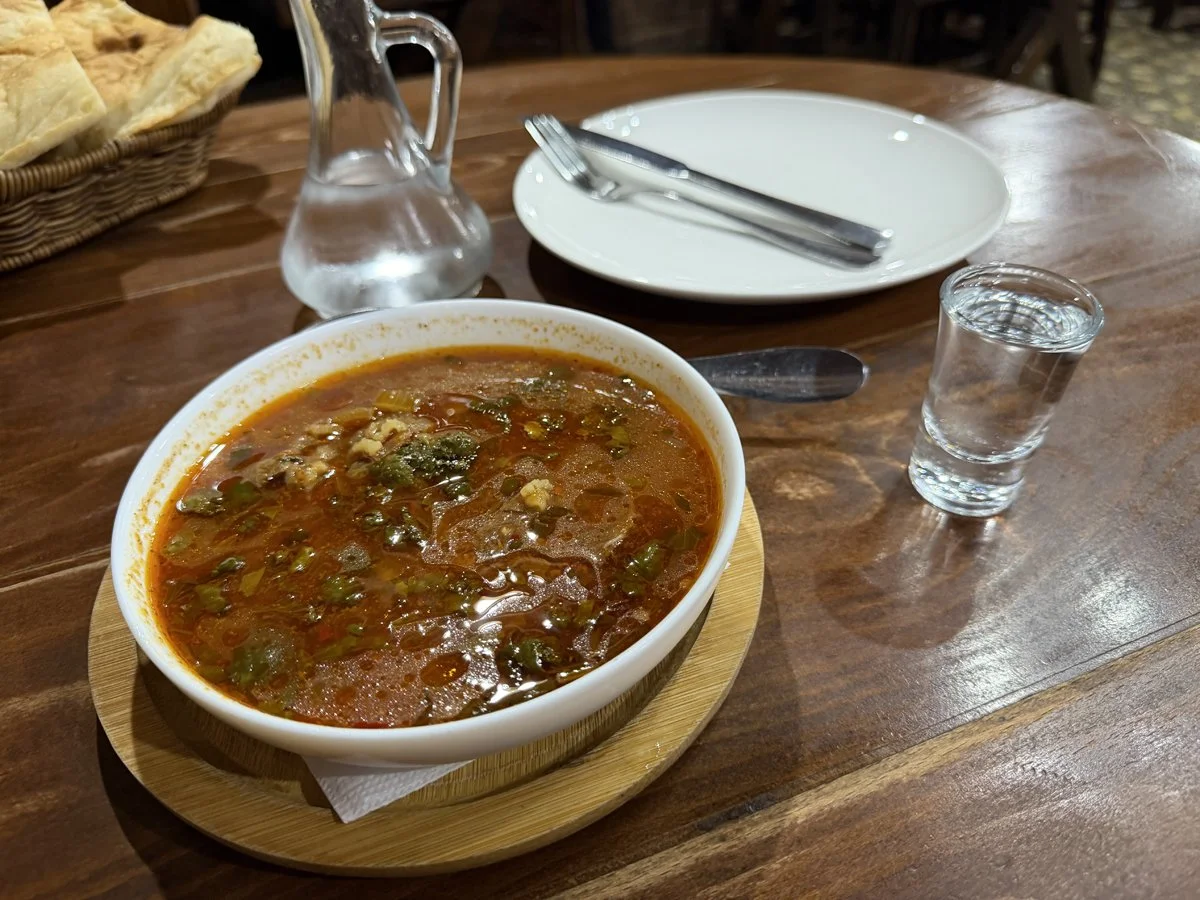
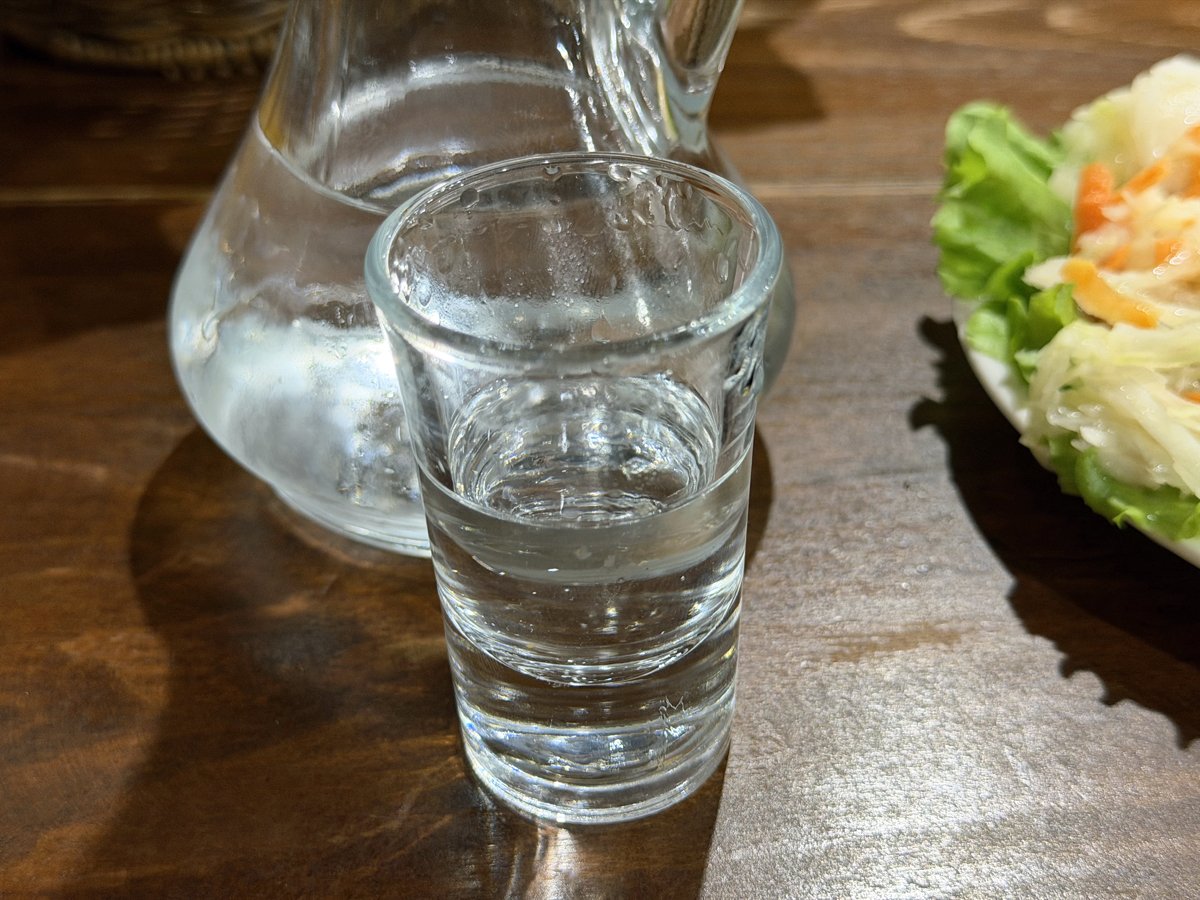
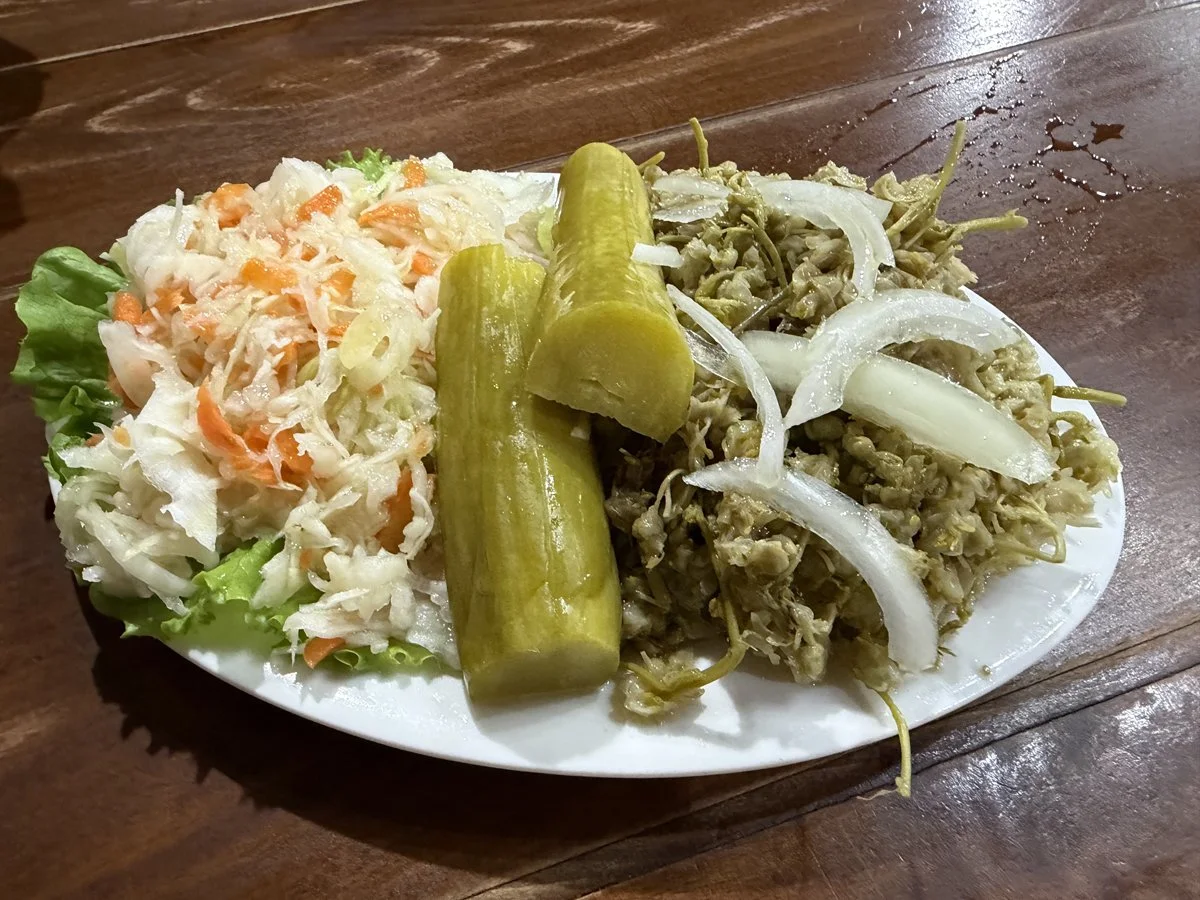
Back in Tbilisi, I returned to a place where I’d had a late breakfast on my first day. I ordered a soupy Kharcho stew, some pickles, bread, and a 0.25-liter glass of what I thought was 12-year-old aged wine. Or so I thought. I had simply ordered it from the wine card, but when I returned from the toilet, there was a small carafe of clear liquid and a tiny glass waiting on my table. A strange glass size for water, I thought—so I poured myself some.
It turned out to be chacha, a grape pomace brandy. Technically made from grapes, yes, but I hadn’t expected it to appear on the wine list. With an alcohol content usually between 40 and 60 percent, it was far too strong for my liking. I quickly Googled the drink and learned that, out of courtesy, you’re expected to drink at least three shots. By the third glass, I was toasting complete strangers who happened to be sitting within my line of sight.
I still don’t like chacha.
Thursday, 20 November
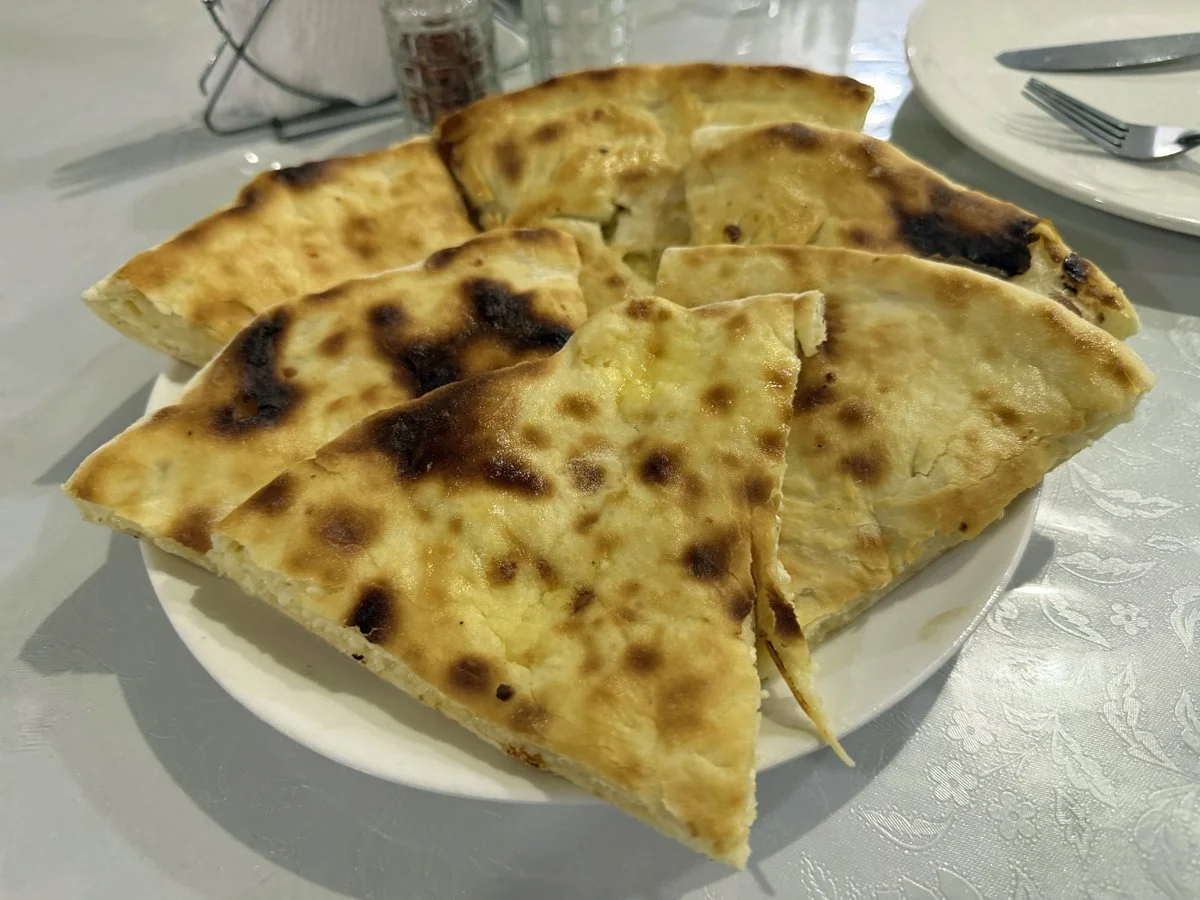
That day, I decided to stay in Tbilisi and go on a long hike. This journey wasn’t only about seeing as much of Georgia as possible; it was also a week for myself. I needed some physical exercise. For breakfast, I had the most common version of khachapuri: Imeretian khachapuri. More visually iconic is Adjarian khachapuri. They served me a full, round khachapuri rather than a few slices—far too much to finish for breakfast—so I had half of it packed up for lunch later that day.
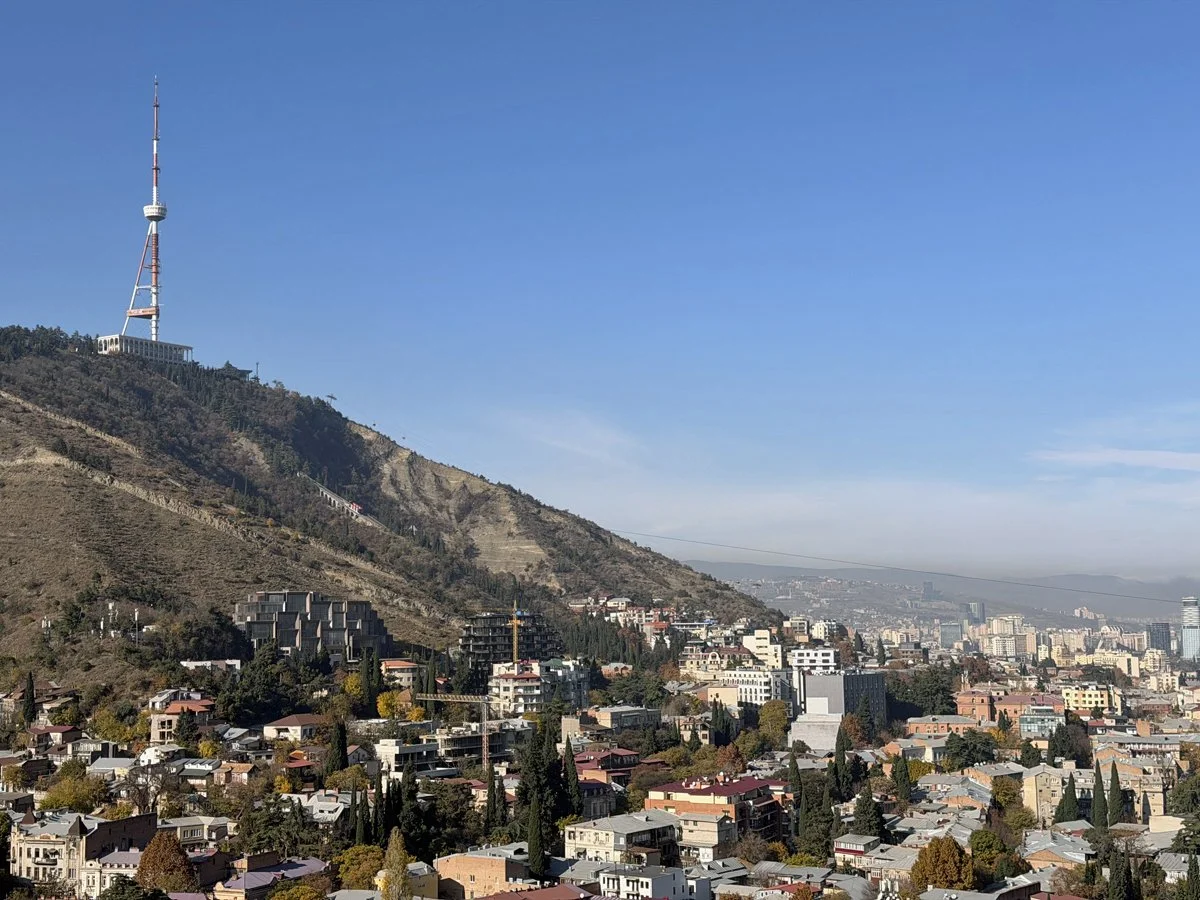
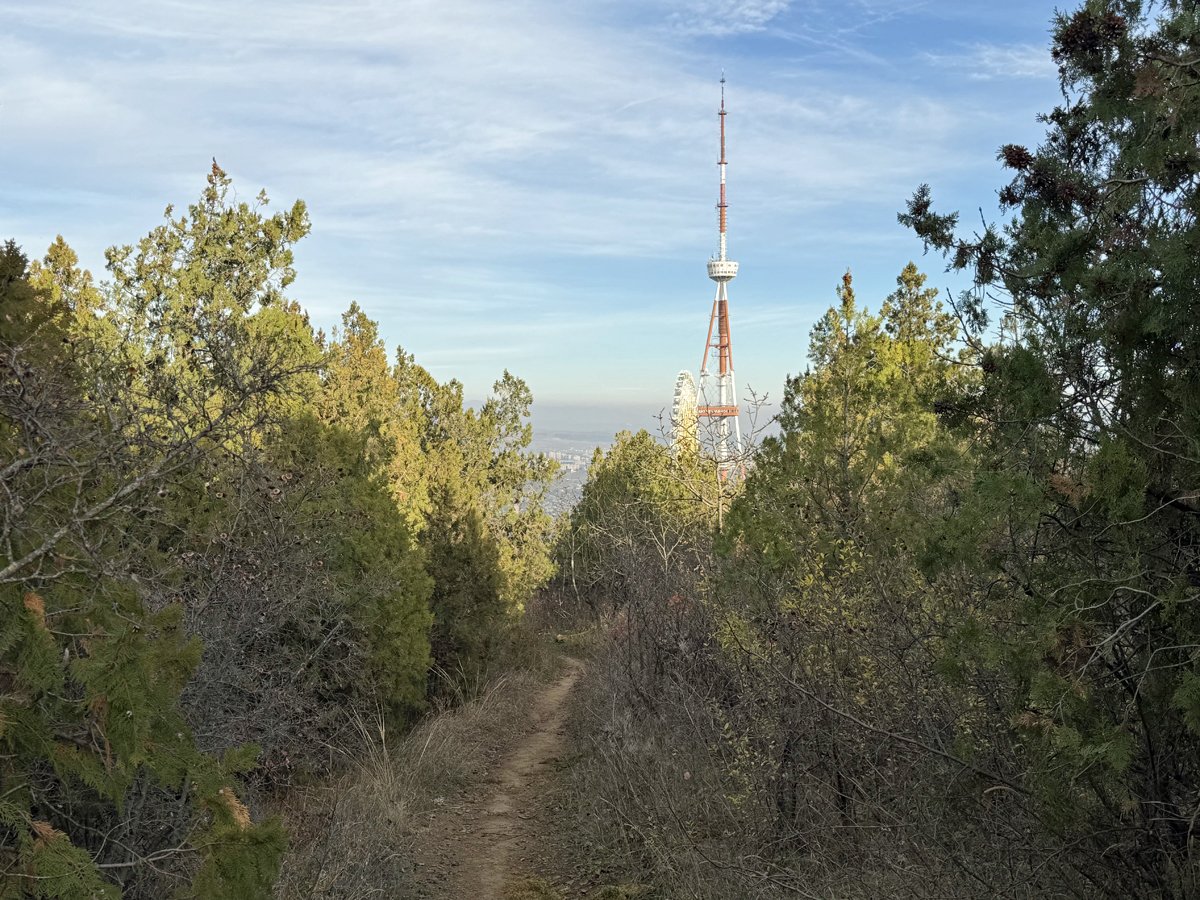
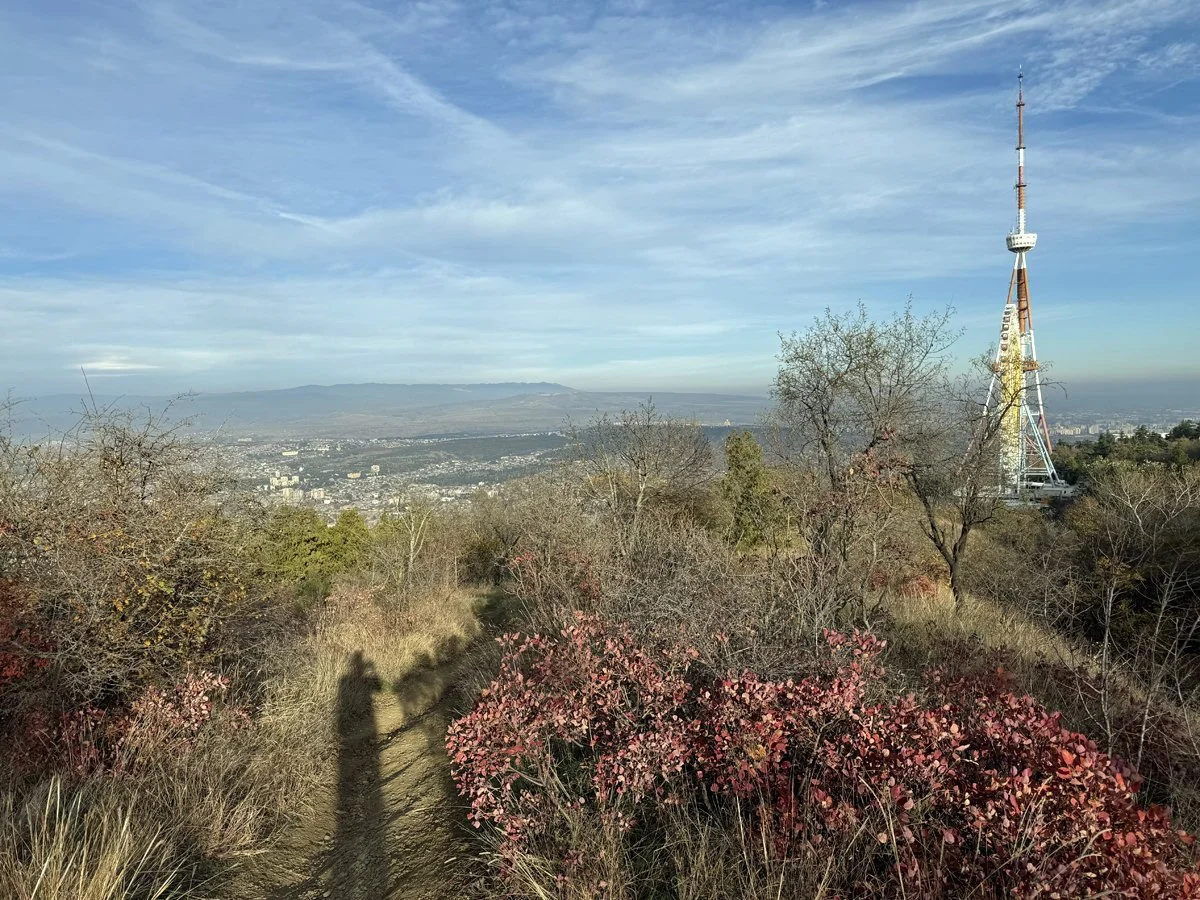
As you can see, Tbilisi is surrounded by hills rising about 300 meters. It takes roughly half an hour to reach the trail, after which you can simply follow the ridge for as long as time allows. I continued until, by my own calculation, I had to turn back to make it home before dark.
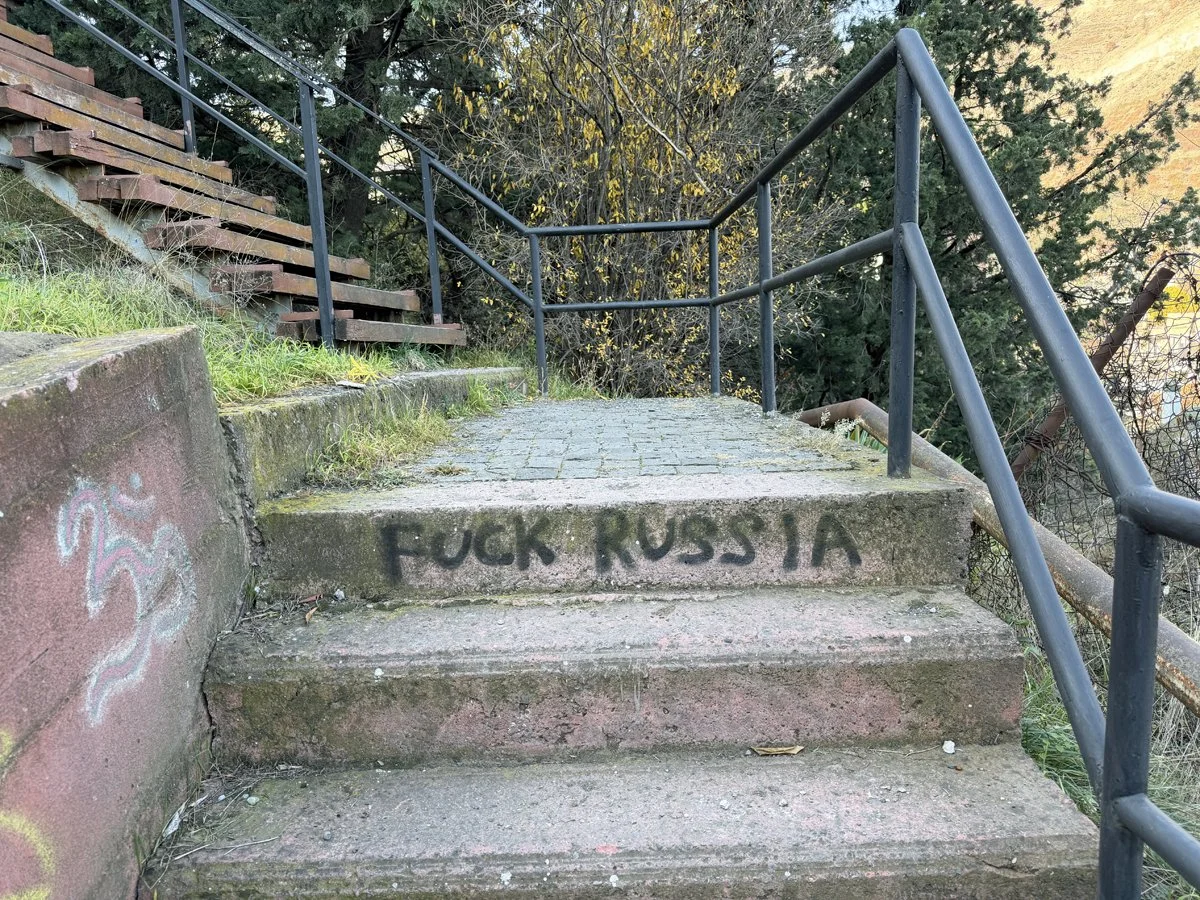
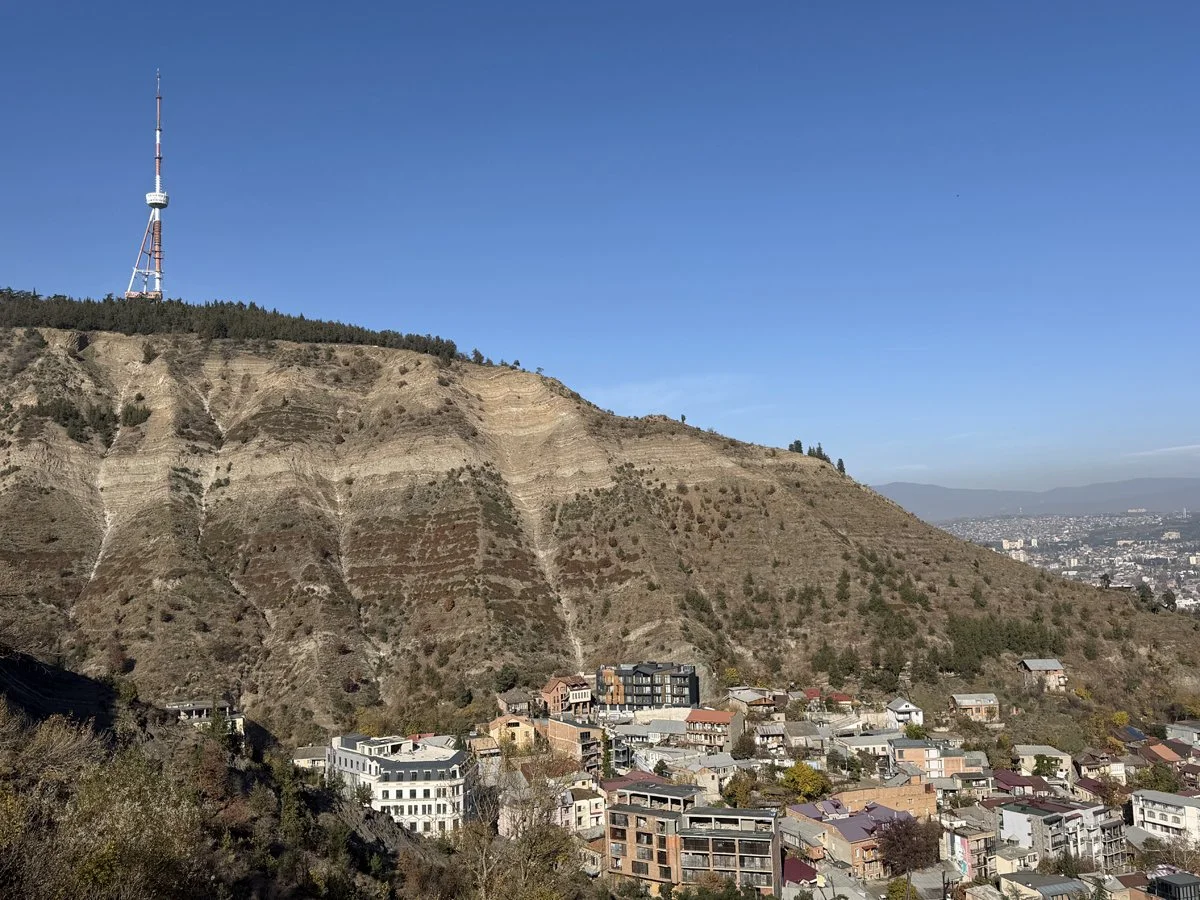
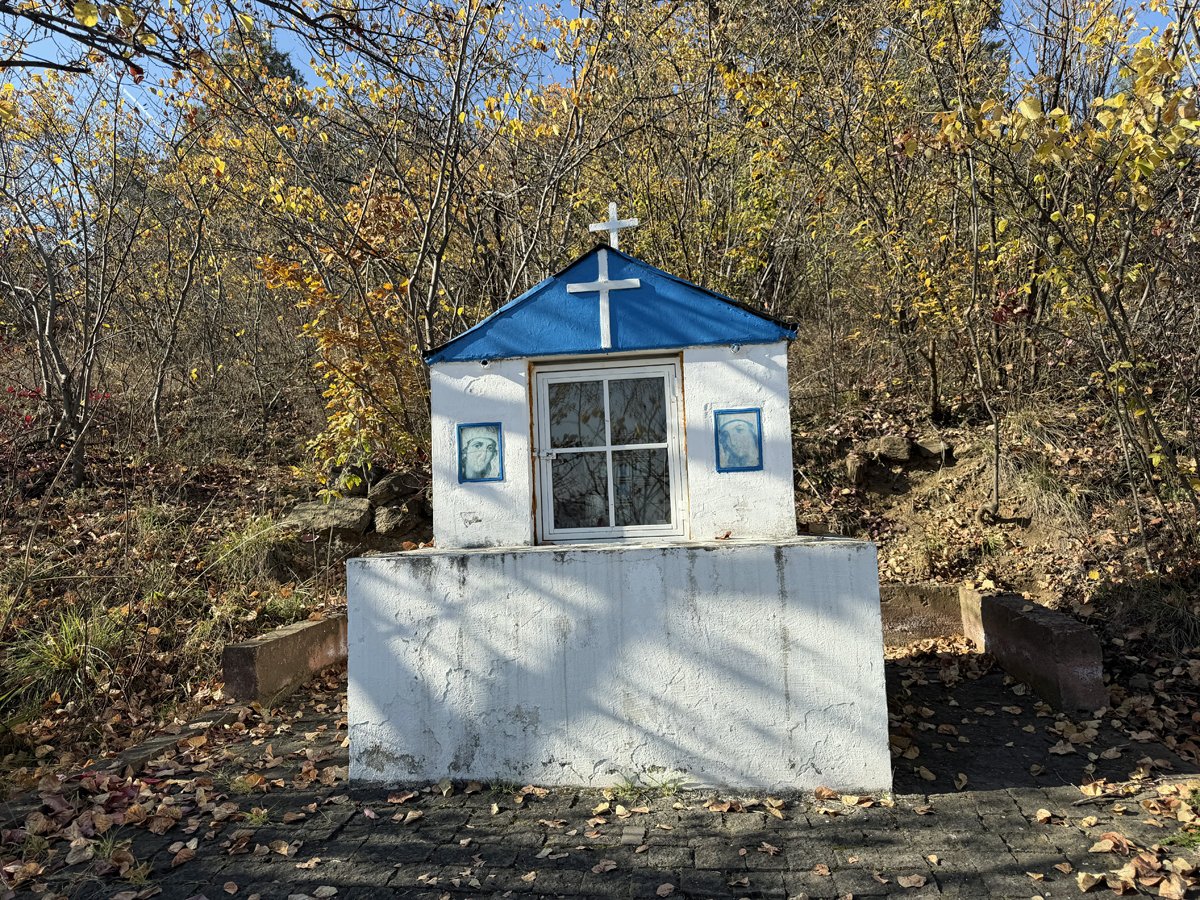
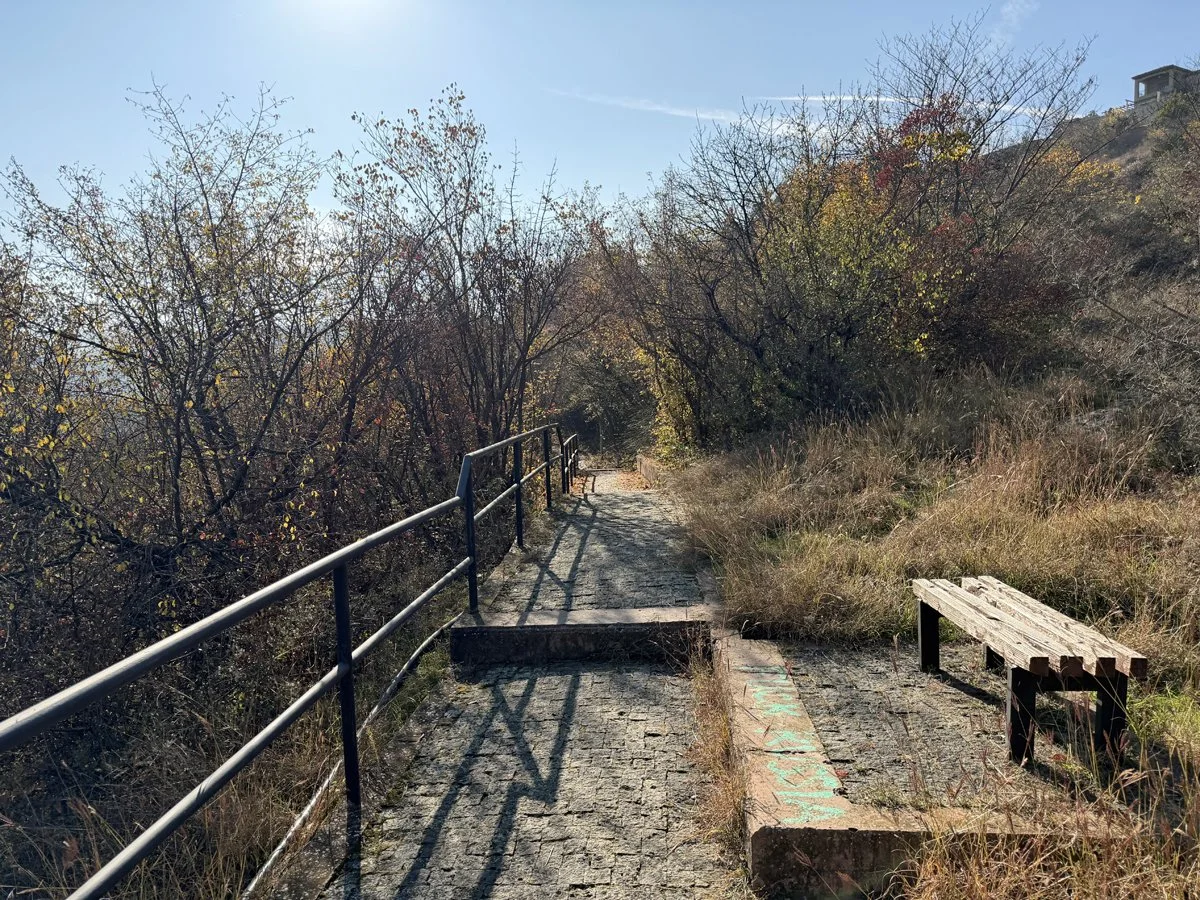
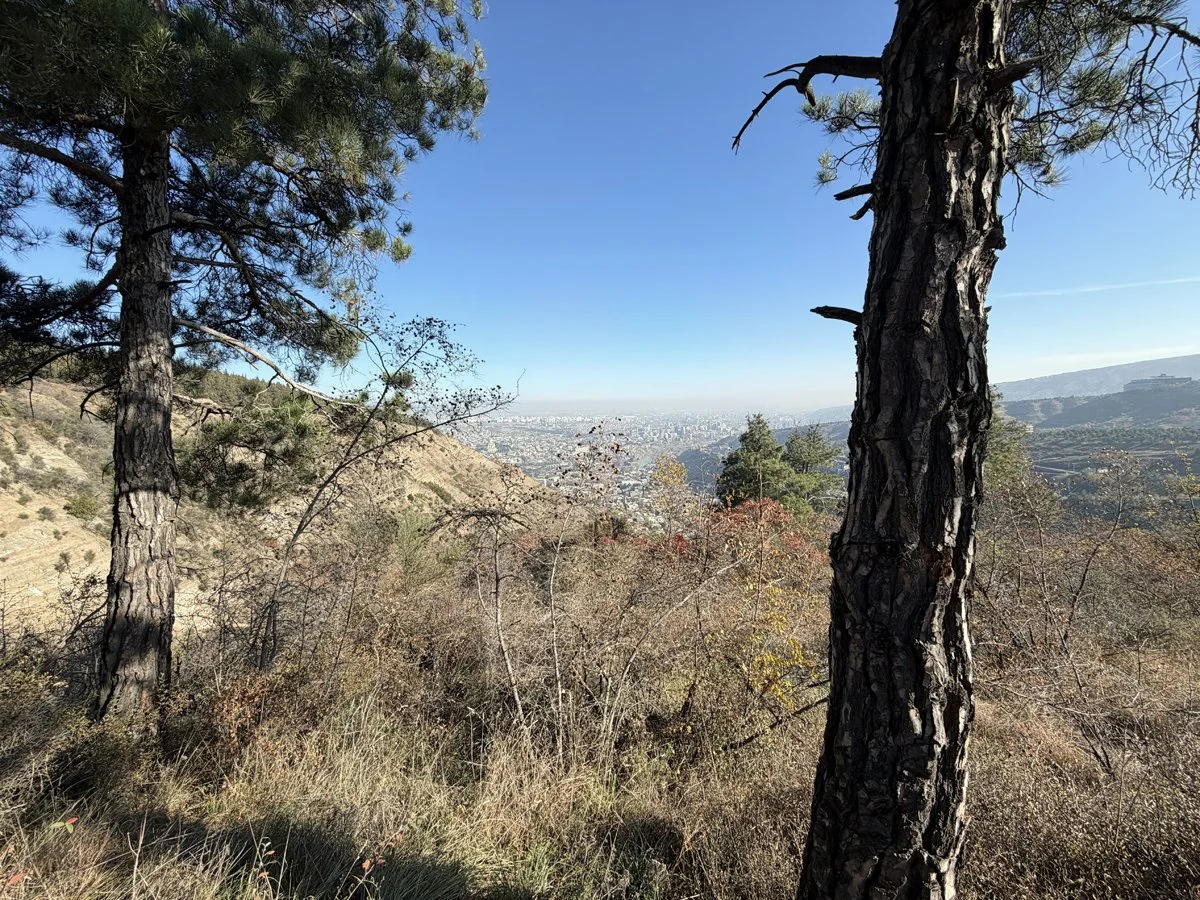
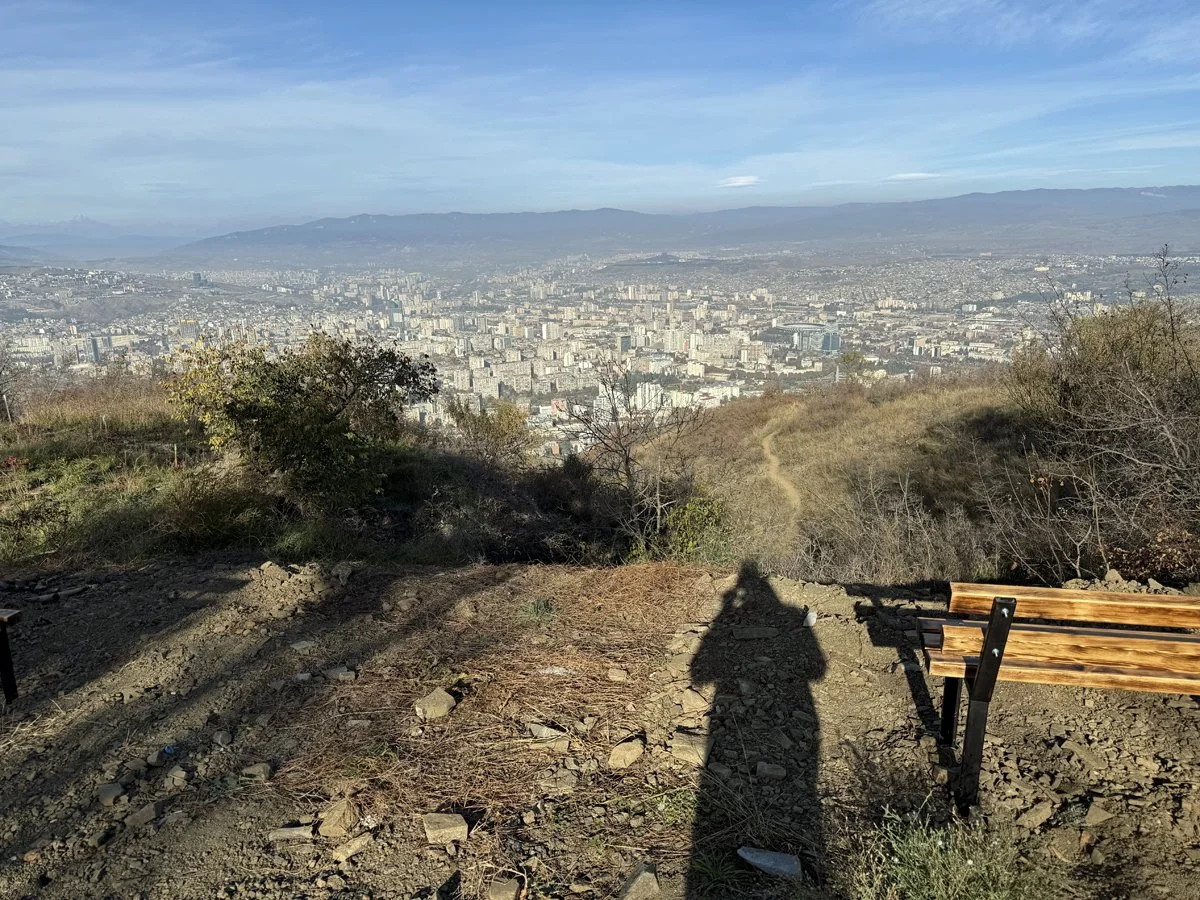
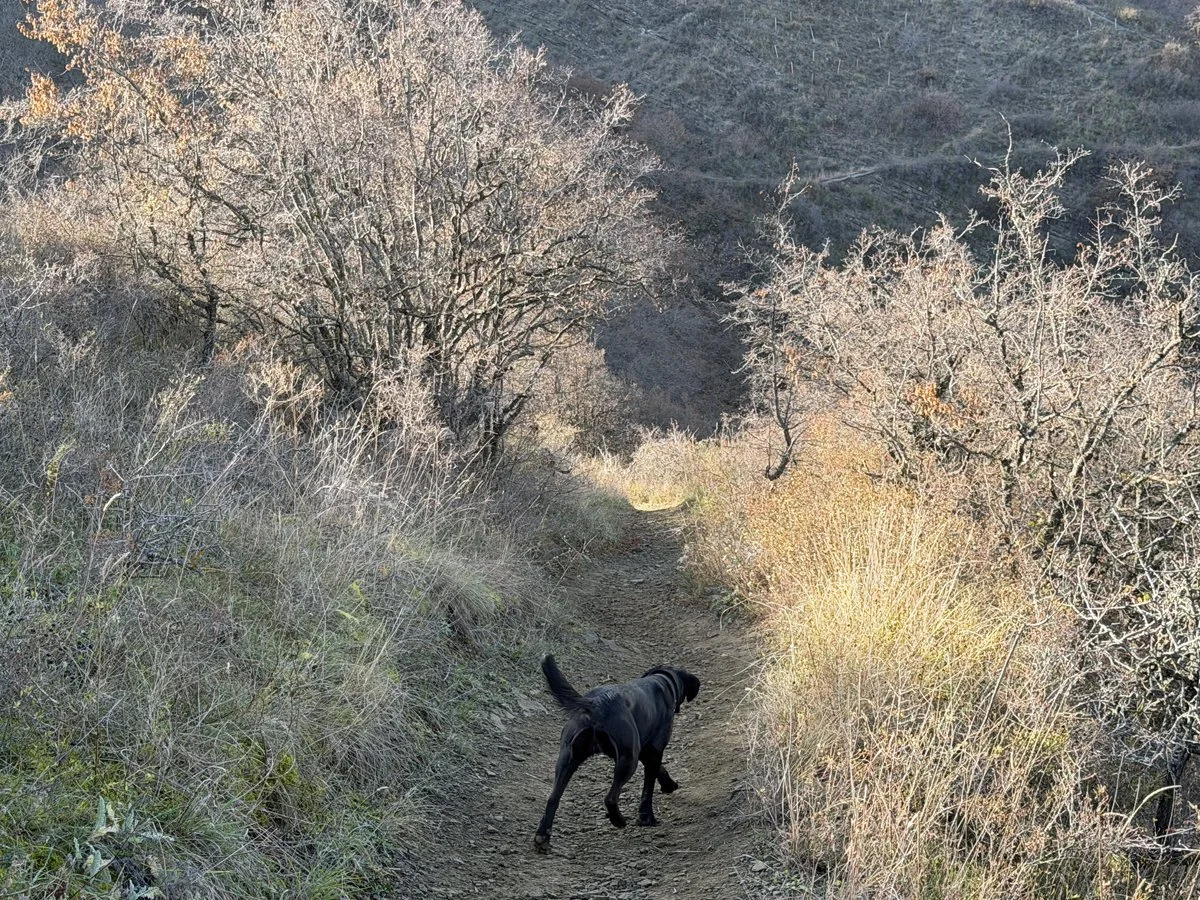
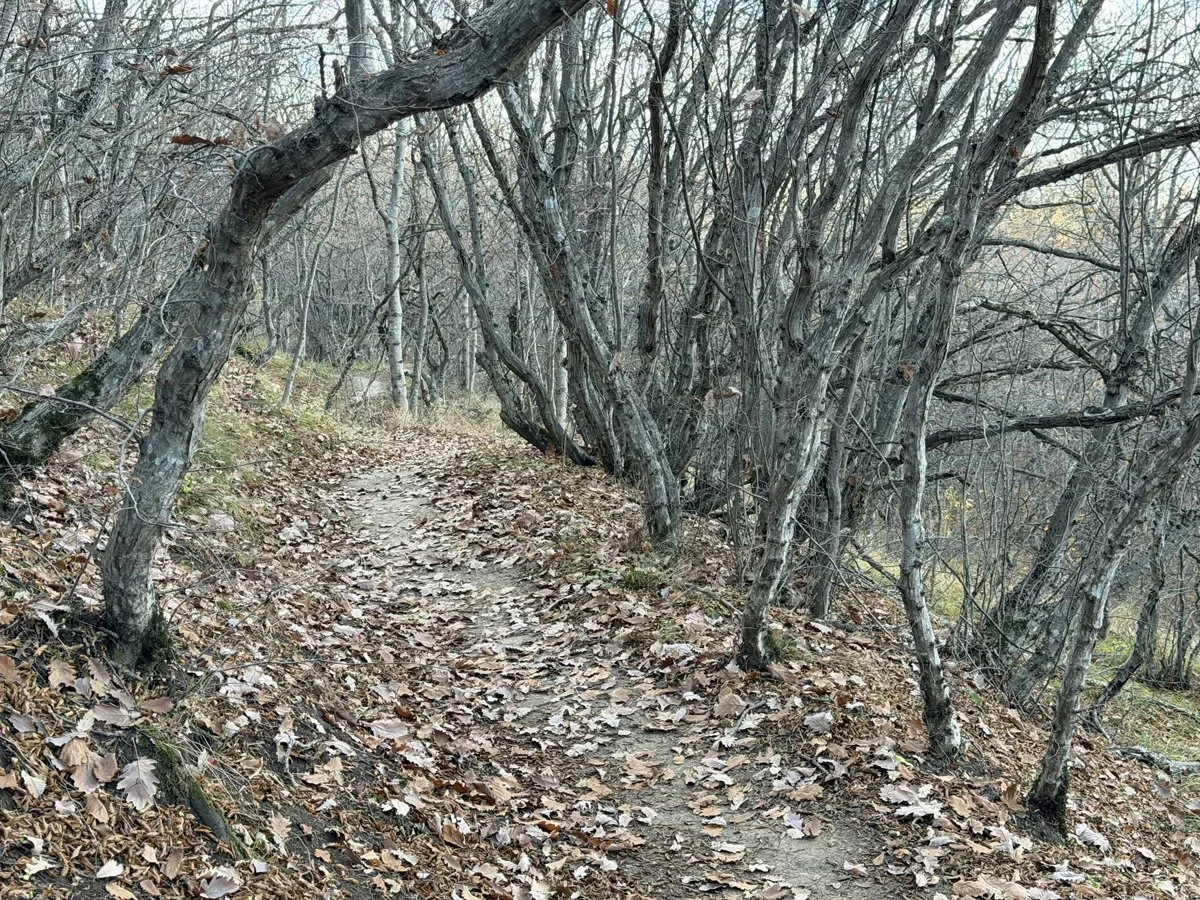
It was just endless single-track trails and a few stray black dogs, both of them friendly.
Salobie Bia სალობიე ბია
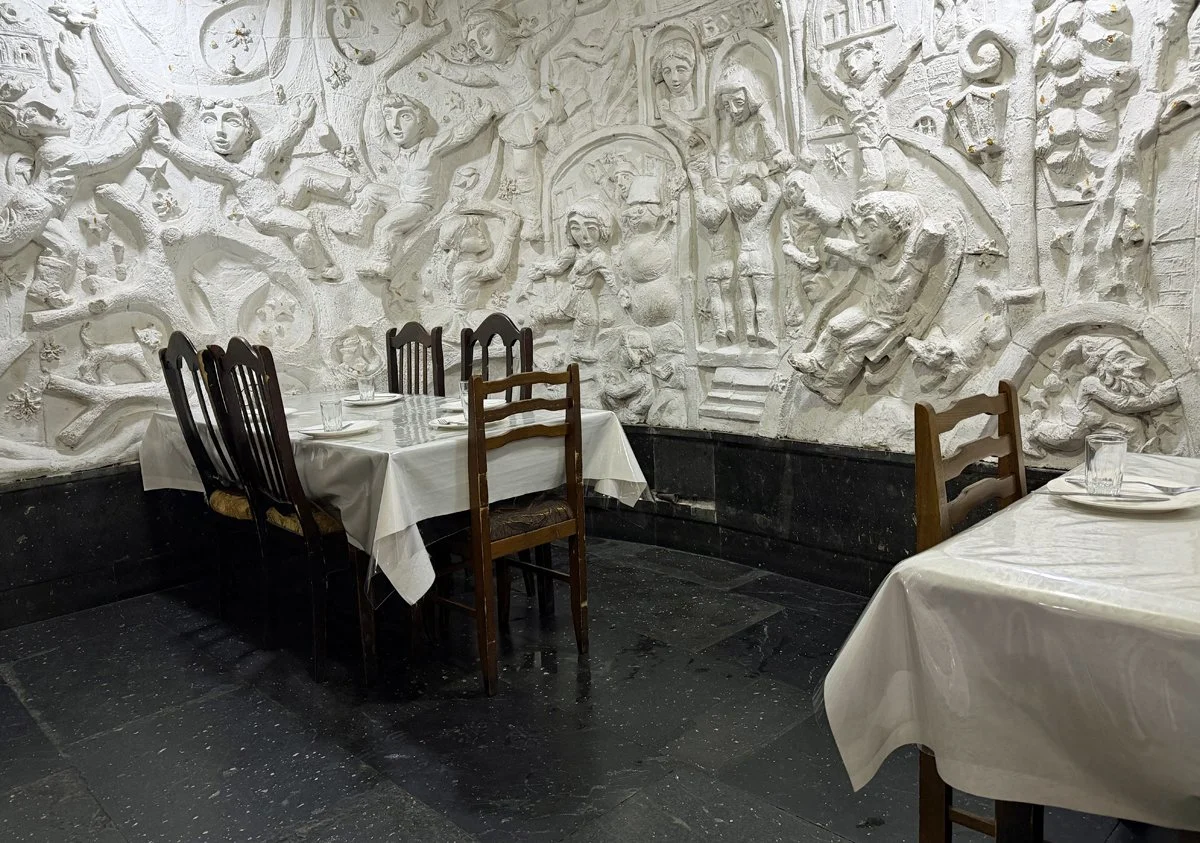
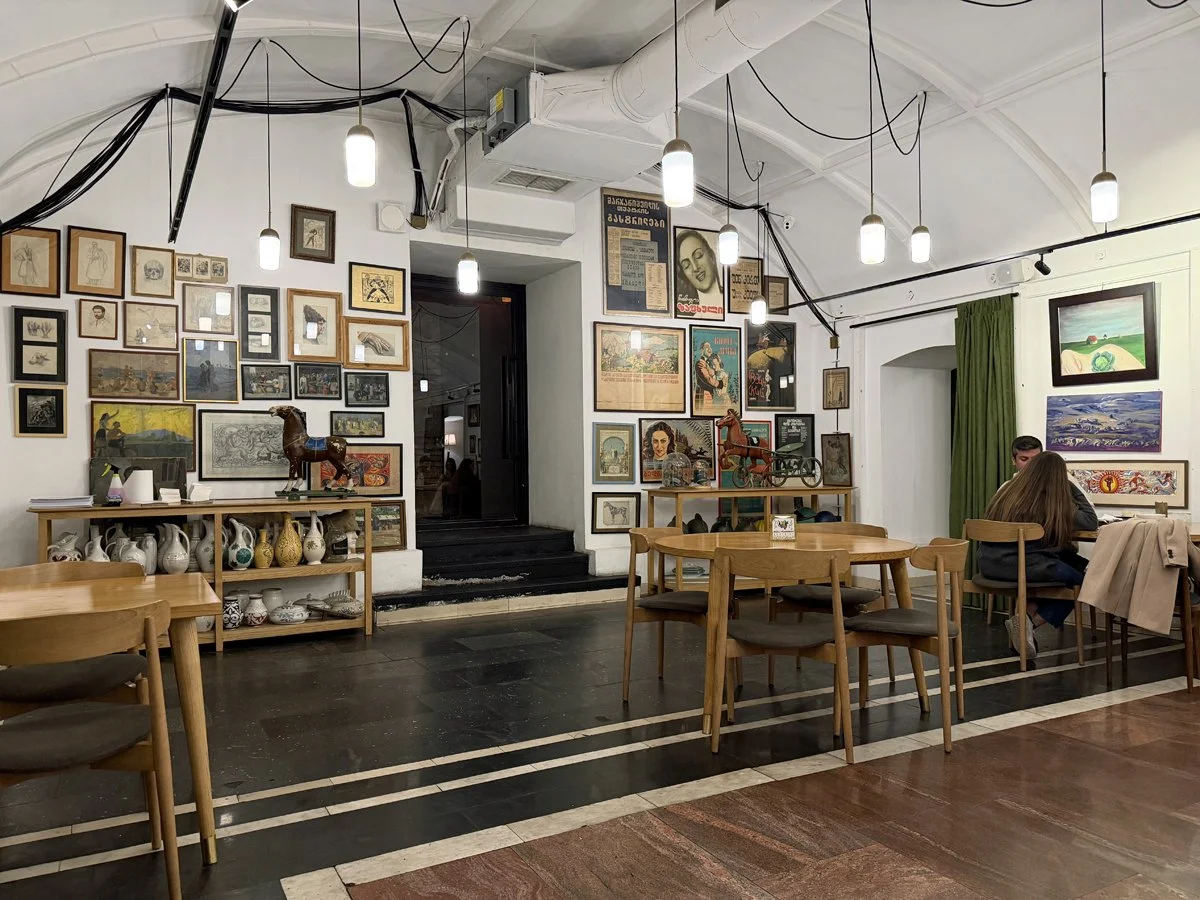
Hidden beneath the Rustaveli National Theatre is the restaurant Salobie Bia—“Beanhouse Bia”—which offers a modern take on traditional recipes.
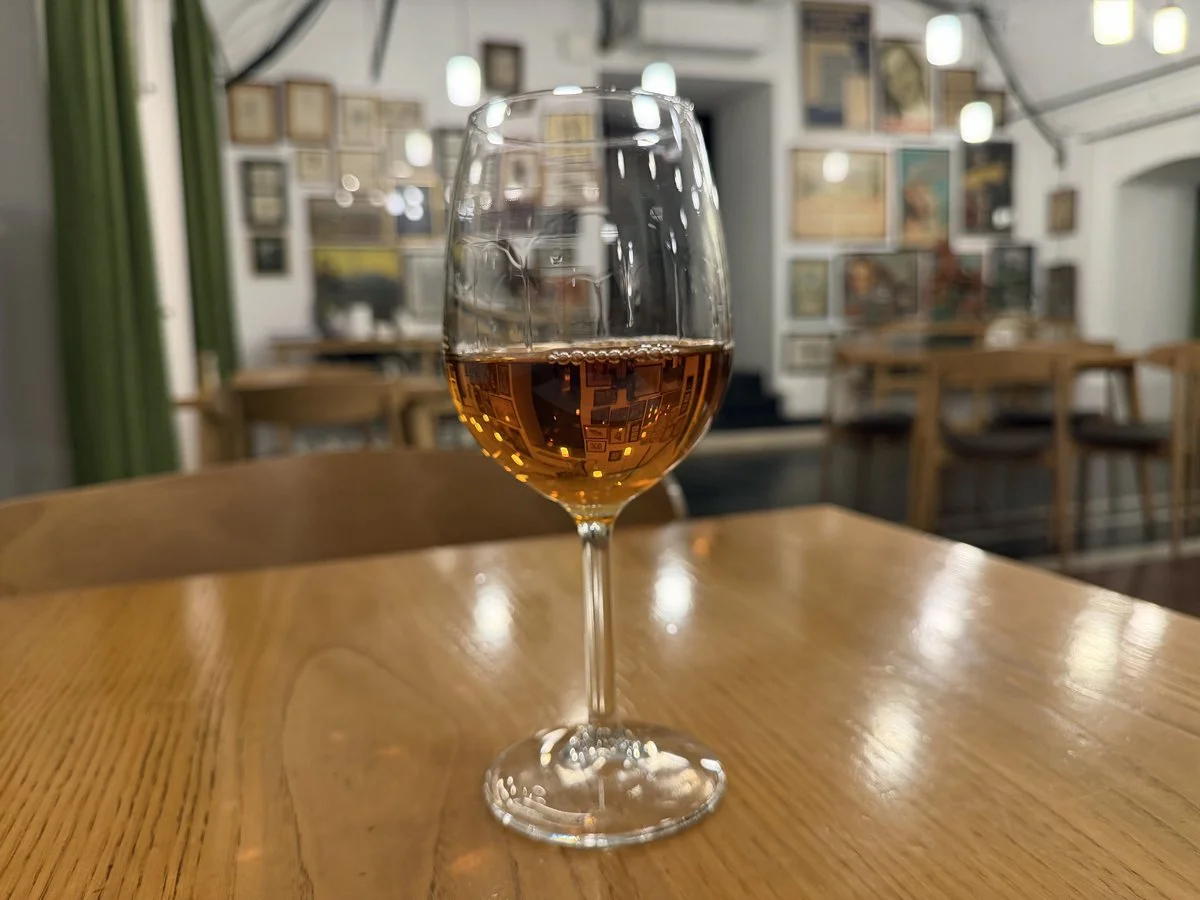
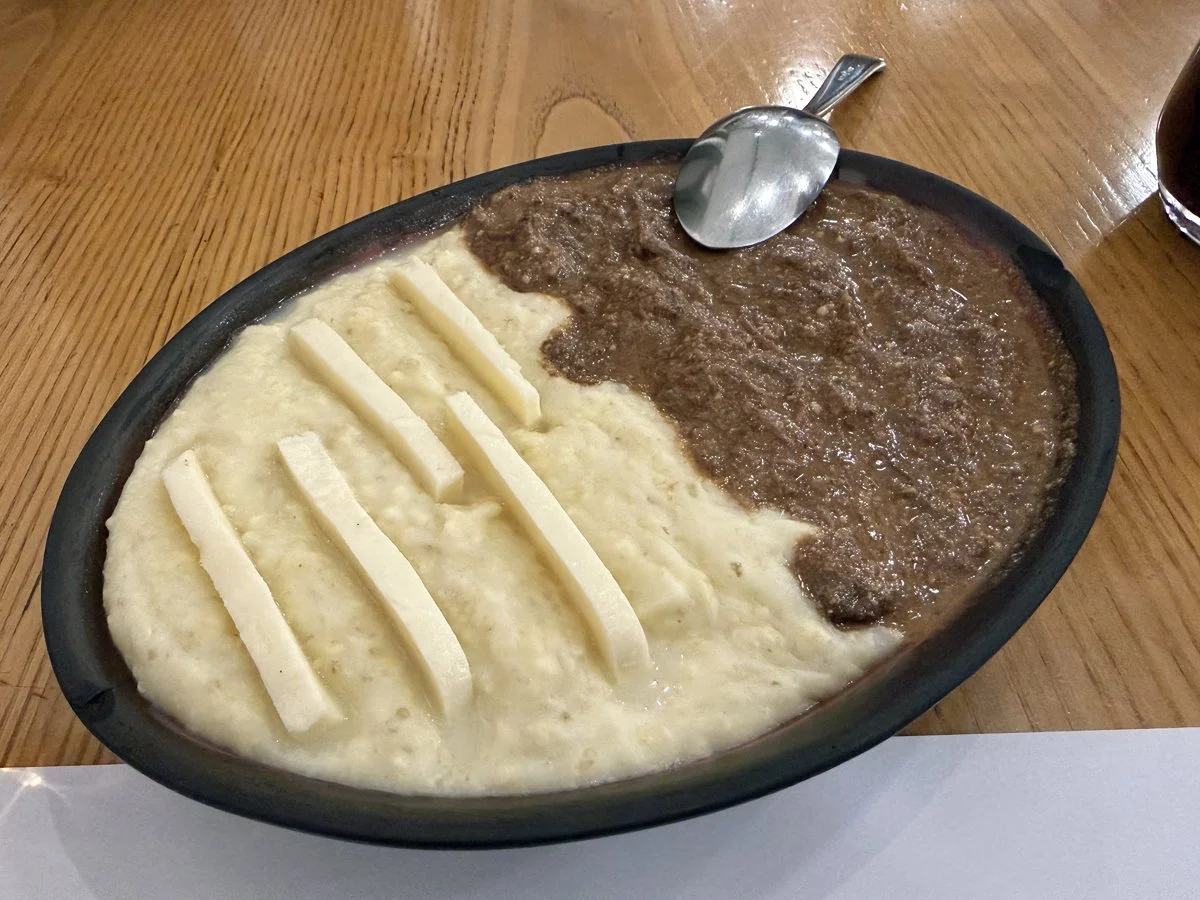
There are two main versions of this dish. Kharcho can be a soup made with beef, rice, cherry plum purée, and chopped walnuts, but in the Samegrelo region, Megrelian kharcho is prepared as a stew rather than a soup. Rice is omitted, and it is typically served over a bed of ghomi (Georgian polenta). At Salobie Bia, they served the Samegrelo version. It looked rather plain, but the recipe was perfectly executed.
I ordered homemade juice without realizing it would be served in a one-liter jar. It was hard to finish on my own. In Georgia, you have to be careful with portion sizes: many dishes are meant to be shared, so as a solo traveler it’s easy to order too much.
Next post: South-Ossetia