Hummus and sulphur baths
On Tuesday, I woke up with very sore calves. I immediately made some promises to myself: more long-distance walking and actively seeking out hills. Unfortunately, the closest place to both Amsterdam and my parents’ place where you can spend a full day on hilly single-track trails is along the Ahr River in Germany—about three hours away by car from either location. In the meantime, I decided that Tuesday would be a relaxing day in Tbilisi.
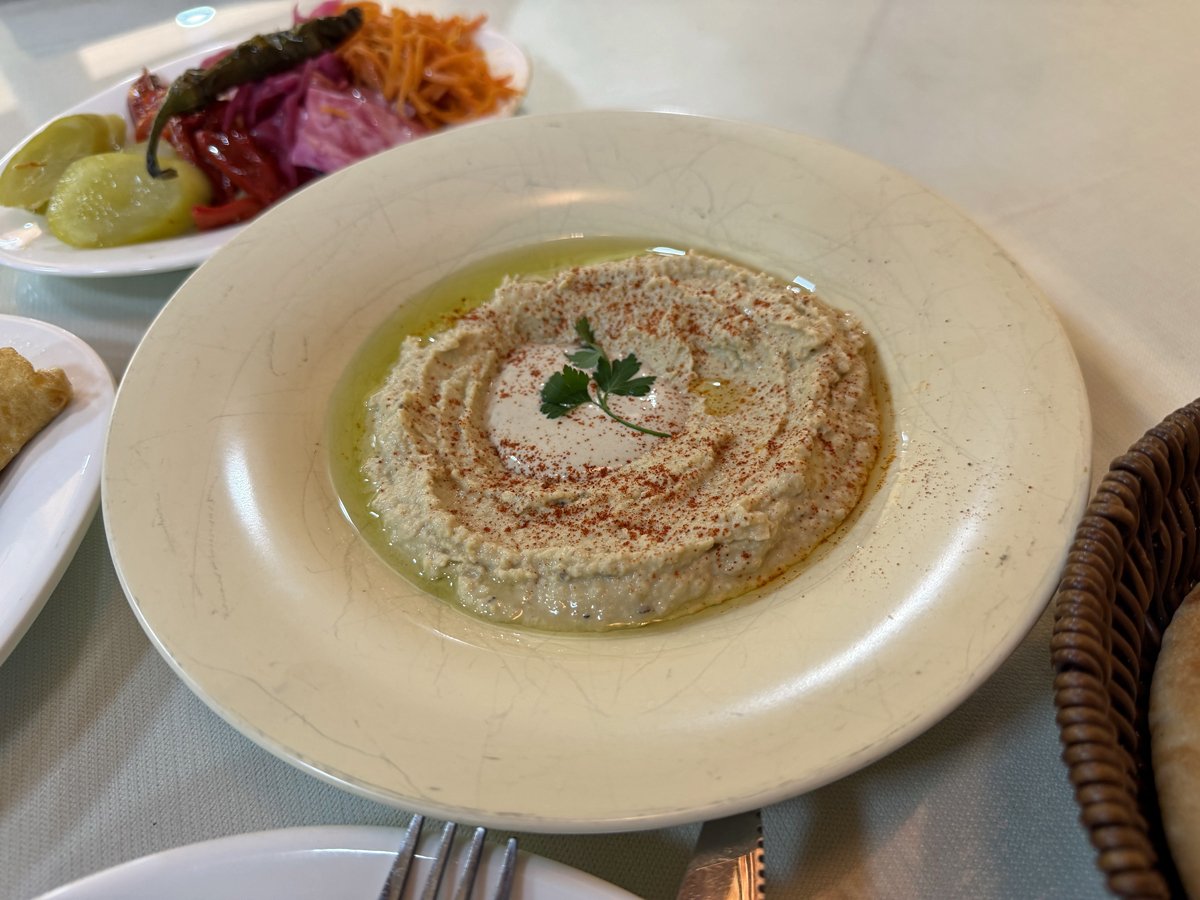
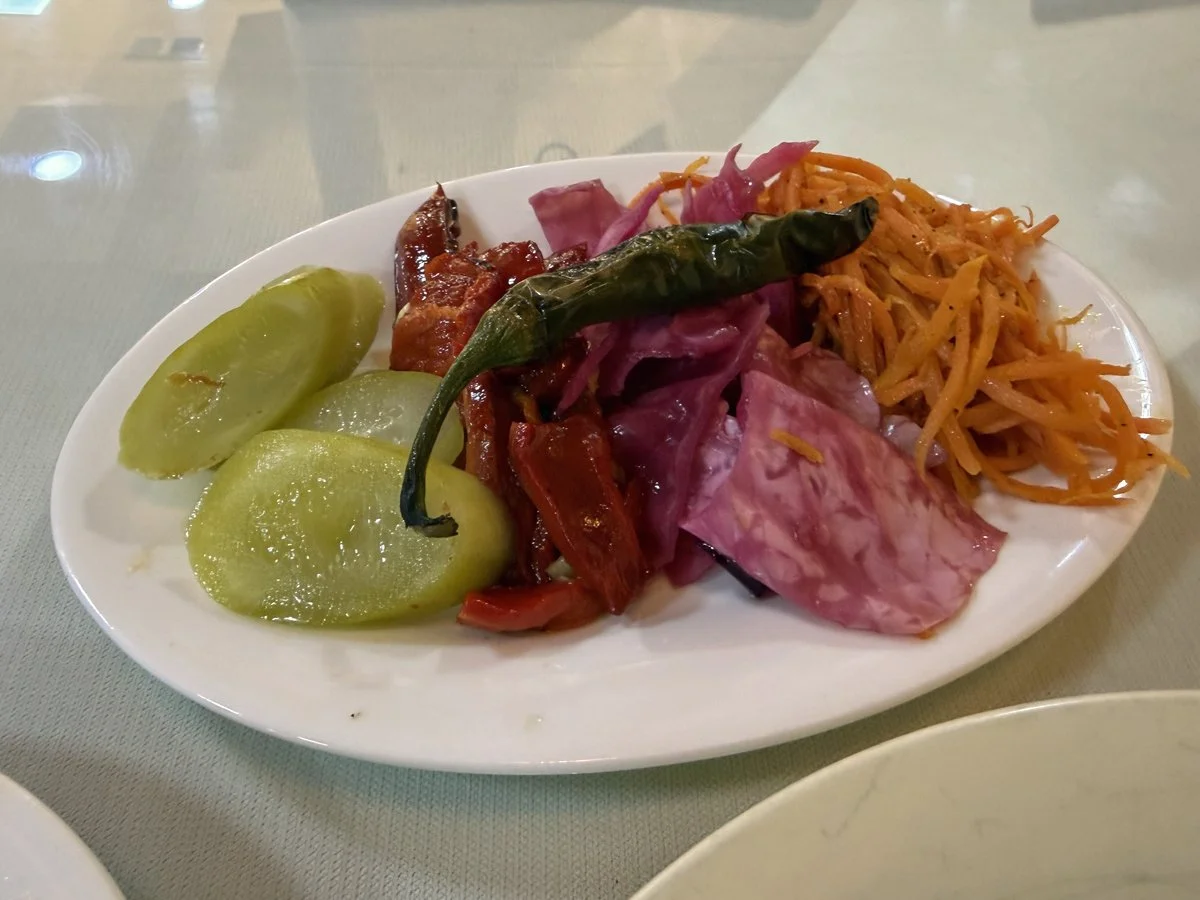
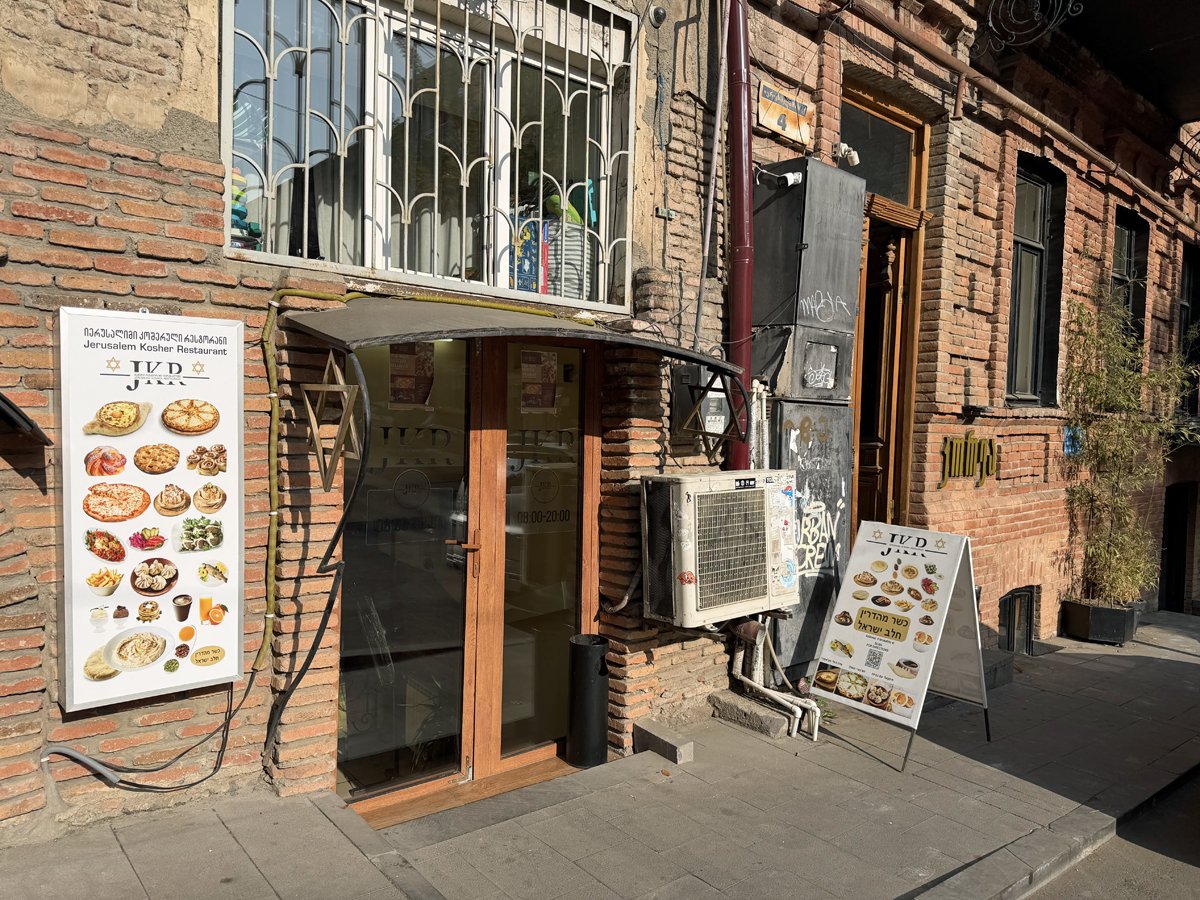
For a late breakfast, I was craving hummus, and since I was staying so close to the synagogue, there were many kosher restaurants to choose from. The Jews of old Tbilisi didn’t eat hummus—the earliest written recipes appear in 13th-century Arab cookbooks from what is now Egypt, Syria, and Iraq. However, fermenting vegetables in salt water is a simple, kosher way to add both flavor and vitamins.
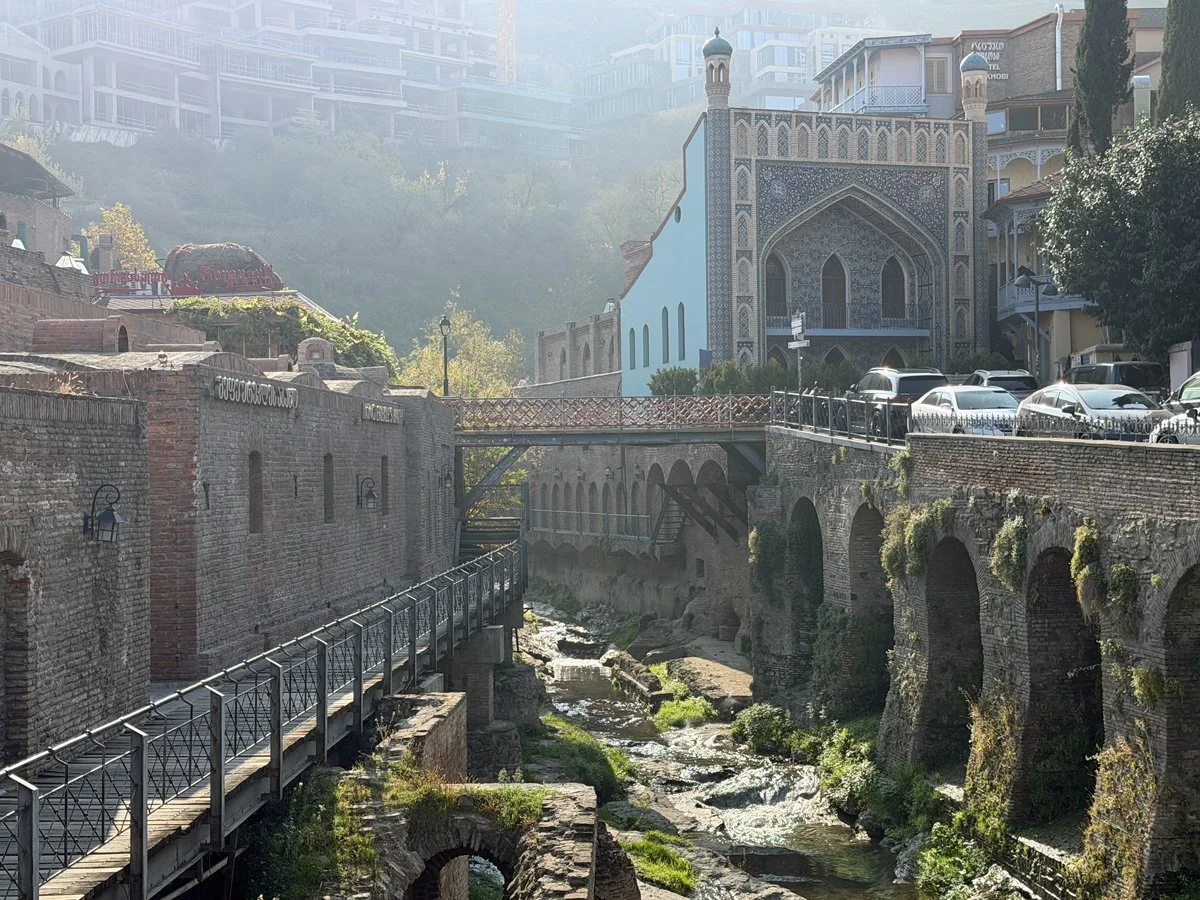
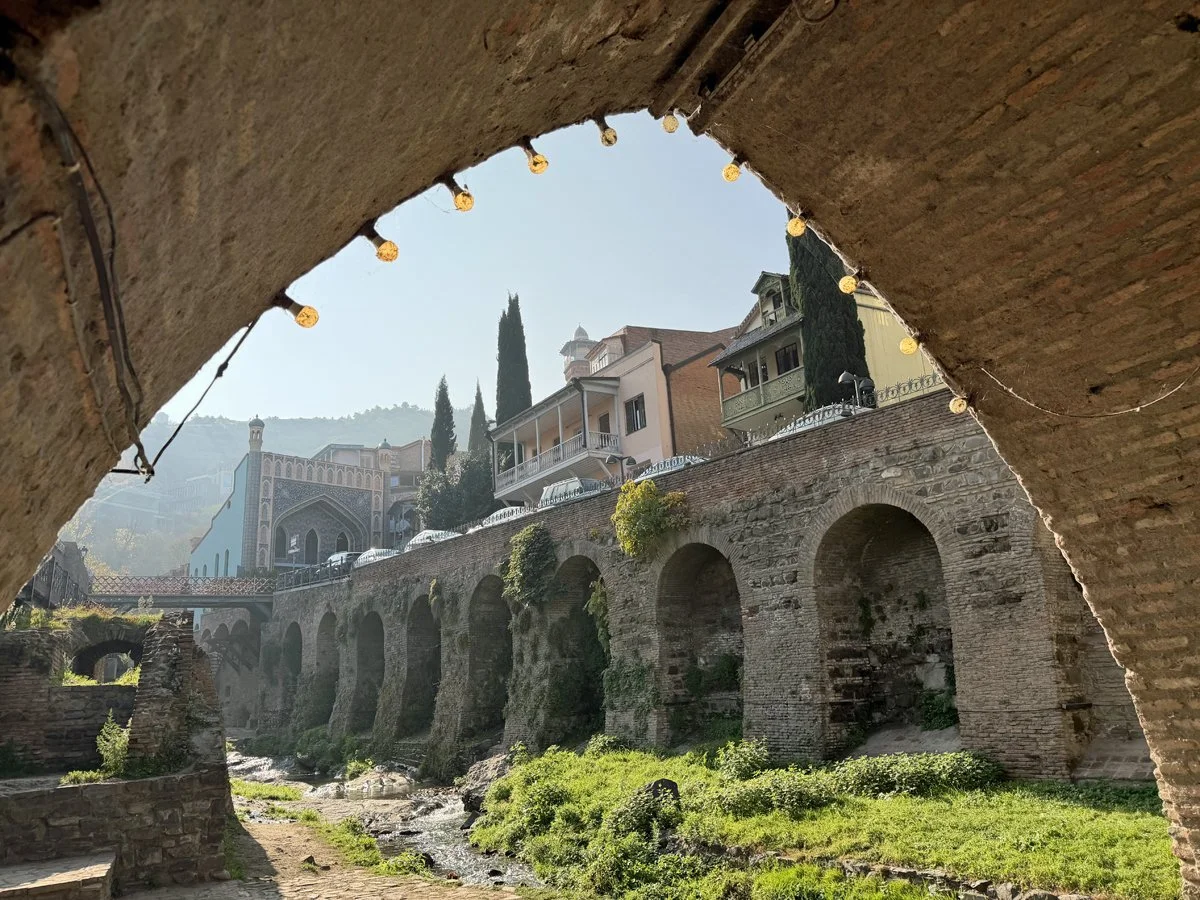
The name Tbilisi apparently means “hot water place,” and it can be inferred that the city was founded around these hot springs. The area around the sulphur sources feels distinctly non-European. The neighborhood surrounding the baths is called Abanotubani (აბანოთუბანი, literally “bath district”), and walking through it feels like being transported to Iran.
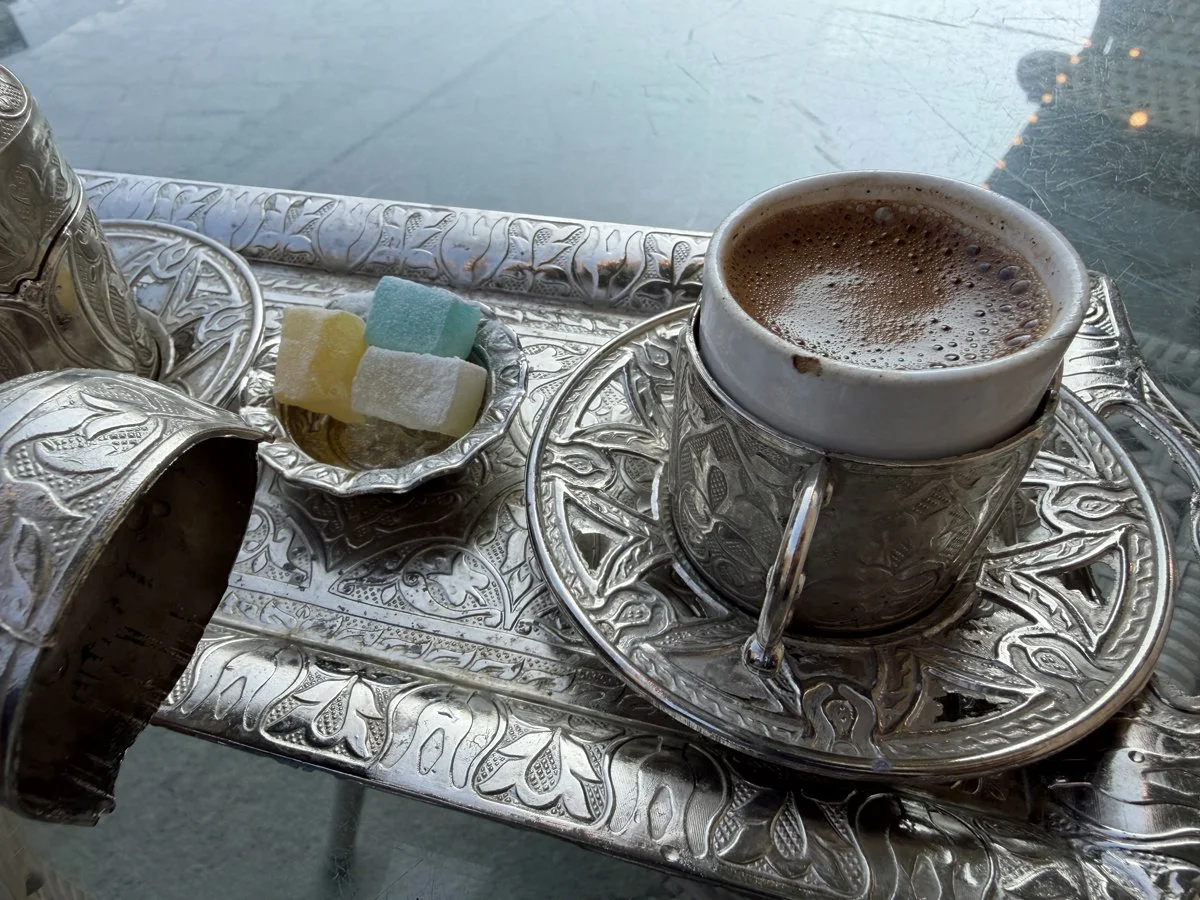
Turkish delight and coffee in Abanotubani.
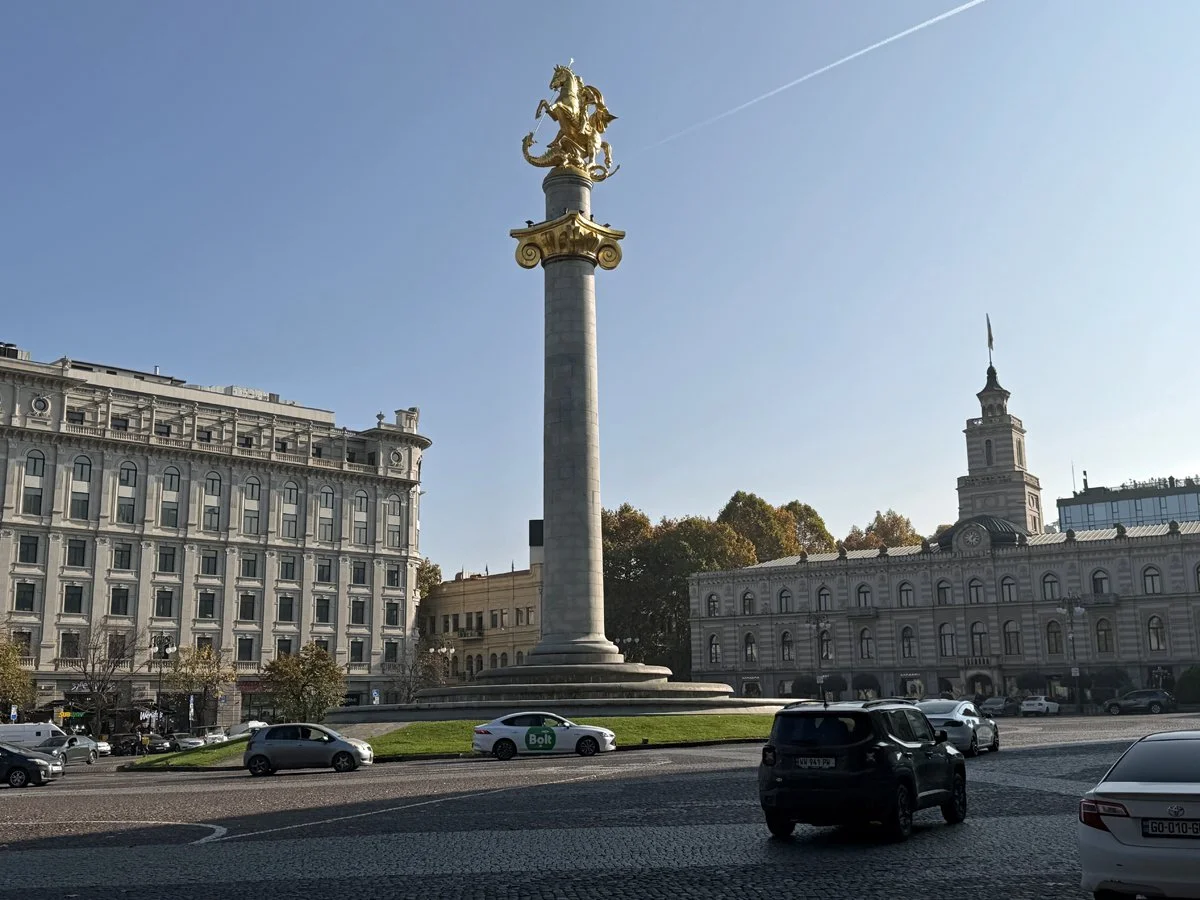
At the eastern end of Rustaveli Avenue lies Freedom Square. It’s hard not to pass through this square multiple times a day. Atop the column stands the golden Freedom Monument (2006), depicting St. George slaying the dragon, created by Georgian painter, sculptor, and architect Zurab Tsereteli.
Amber wine
Strangely, I had never heard of amber wine. Then again, Georgia has about 525 different indigenous grape varieties, so I knew there was a lot I didn’t know. Although only 30–40 varieties are commonly used in modern commercial wine production. Amber wine is made from white Georgian grapes such as Rkatsiteli, Kisi, Mtsvane, or Tsolikouri.
White grapes are fermented with their skins—and often with stems and pips as well. The maceration can last from a few days to several months and is traditionally done in qvevri, large clay amphorae buried in the ground. After fermentation, the vessel is sealed, and the wine continues to mature on the skins. This long contact extracts color pigments as well as tannins and phenolics. Qvevri winemaking is recognized by UNESCO as intangible cultural heritage.
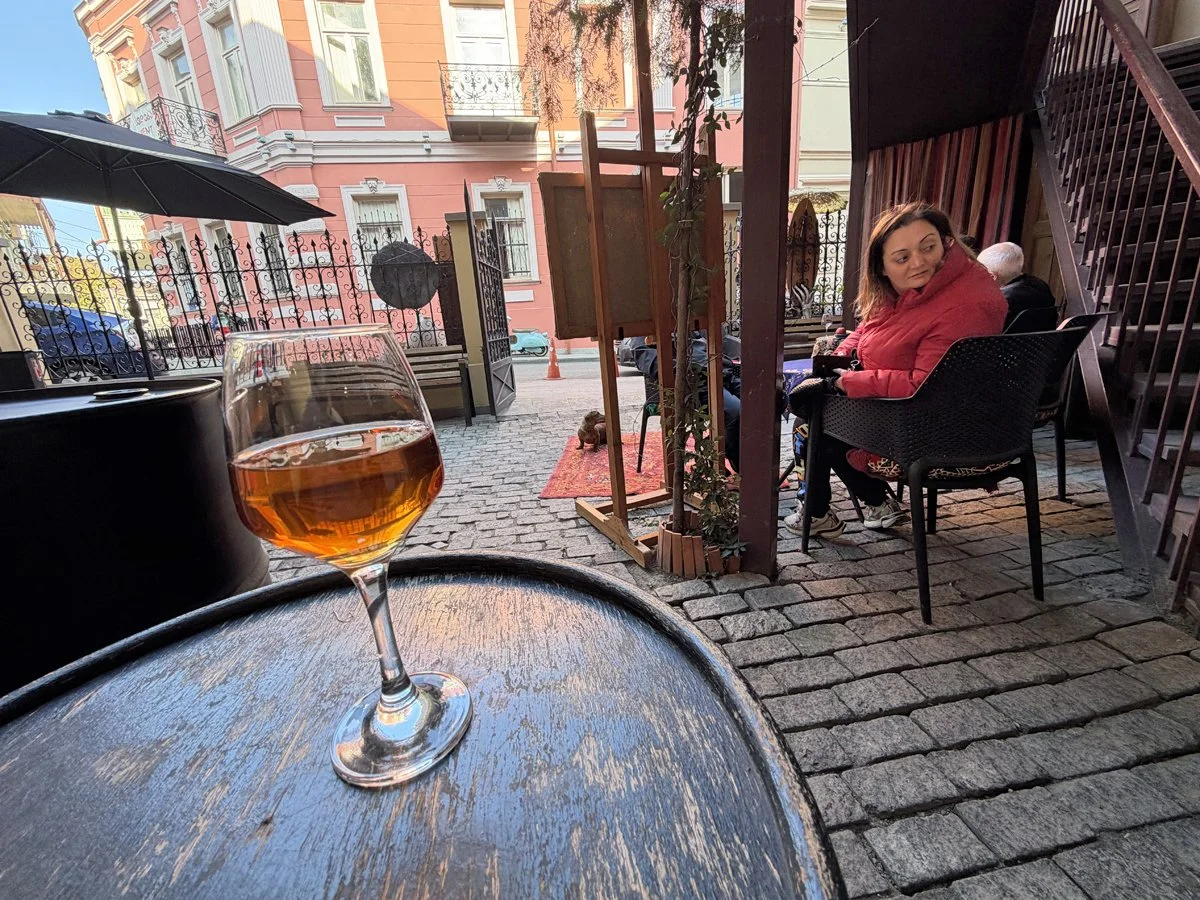
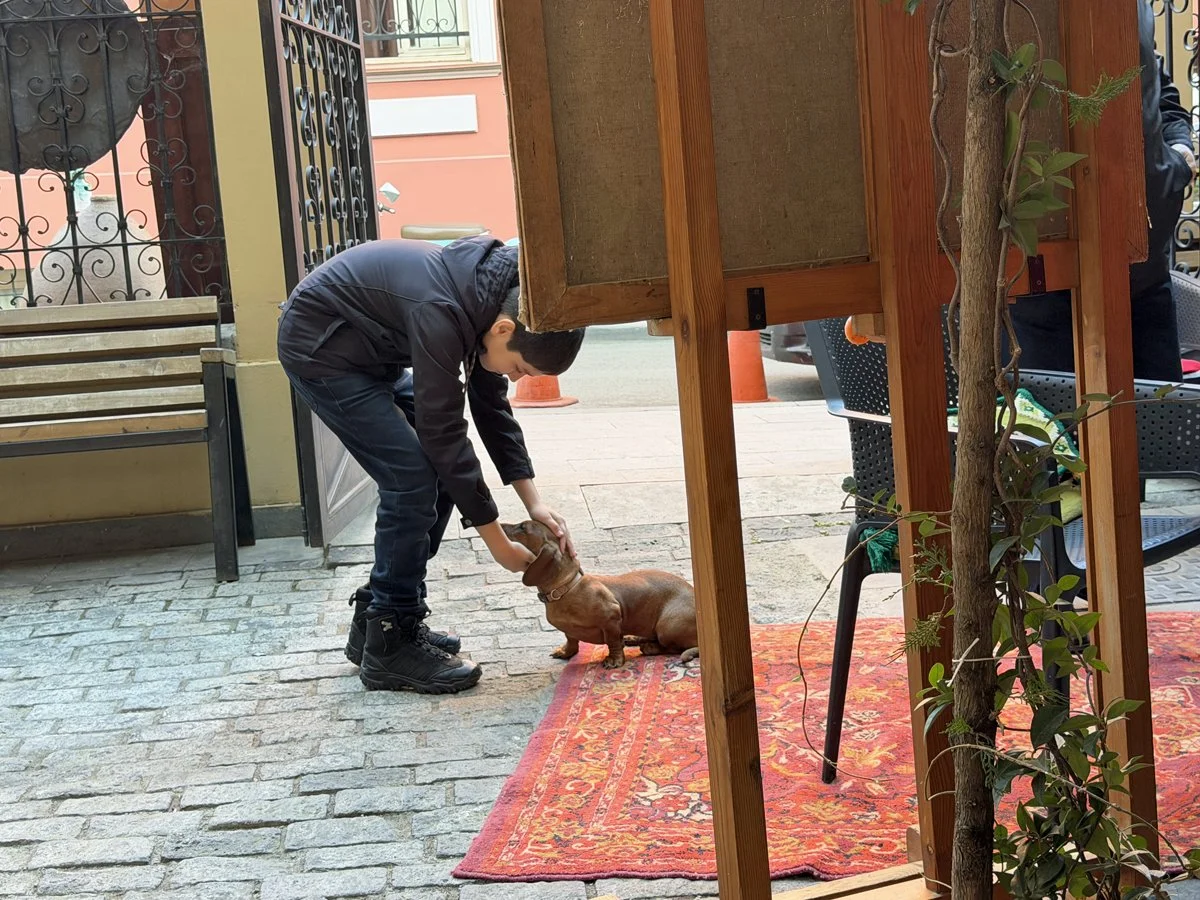
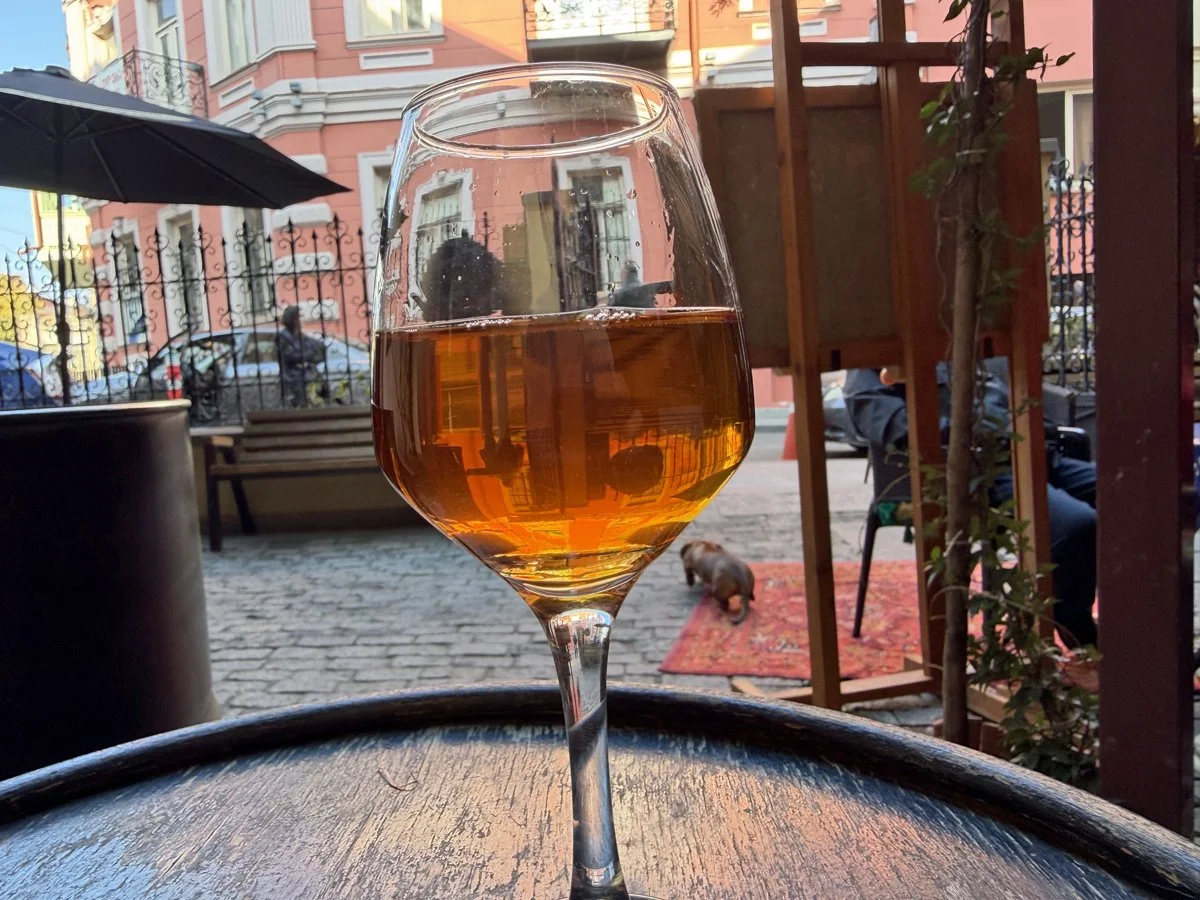
I found a little wine bar called Tbileli Bar & Restaurant on 1 Abo Tbileli Street and ordered a glass of organic amber wine aged in qvevri for 15 Gel. It was afternoon and I drank slowly.
The Georgian term „ქარვისფერი ღვინო“ (karvisperi ghvino, “amber wine”) was coined by Shanshiashvili in a poem titled Wine, published in 1920.
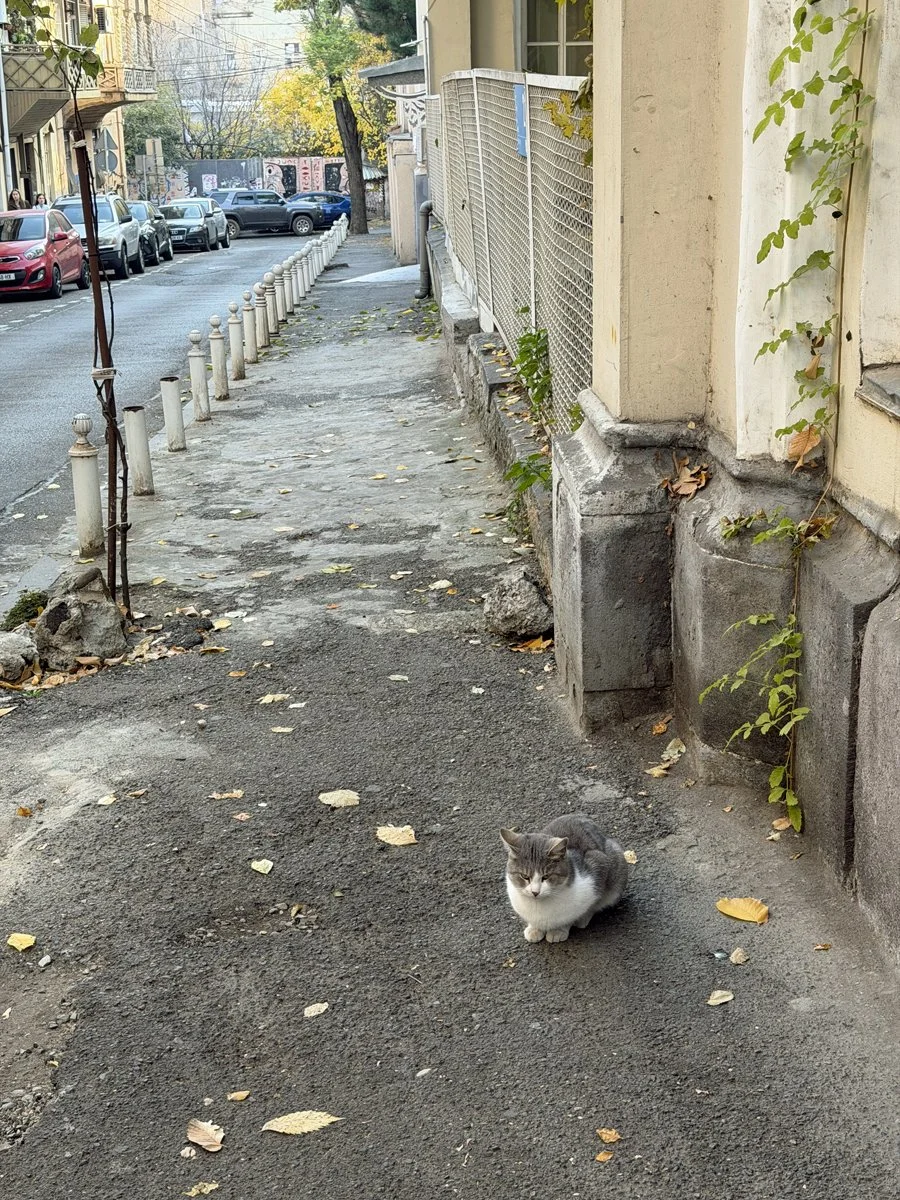
Tourist Society of the Caucasus
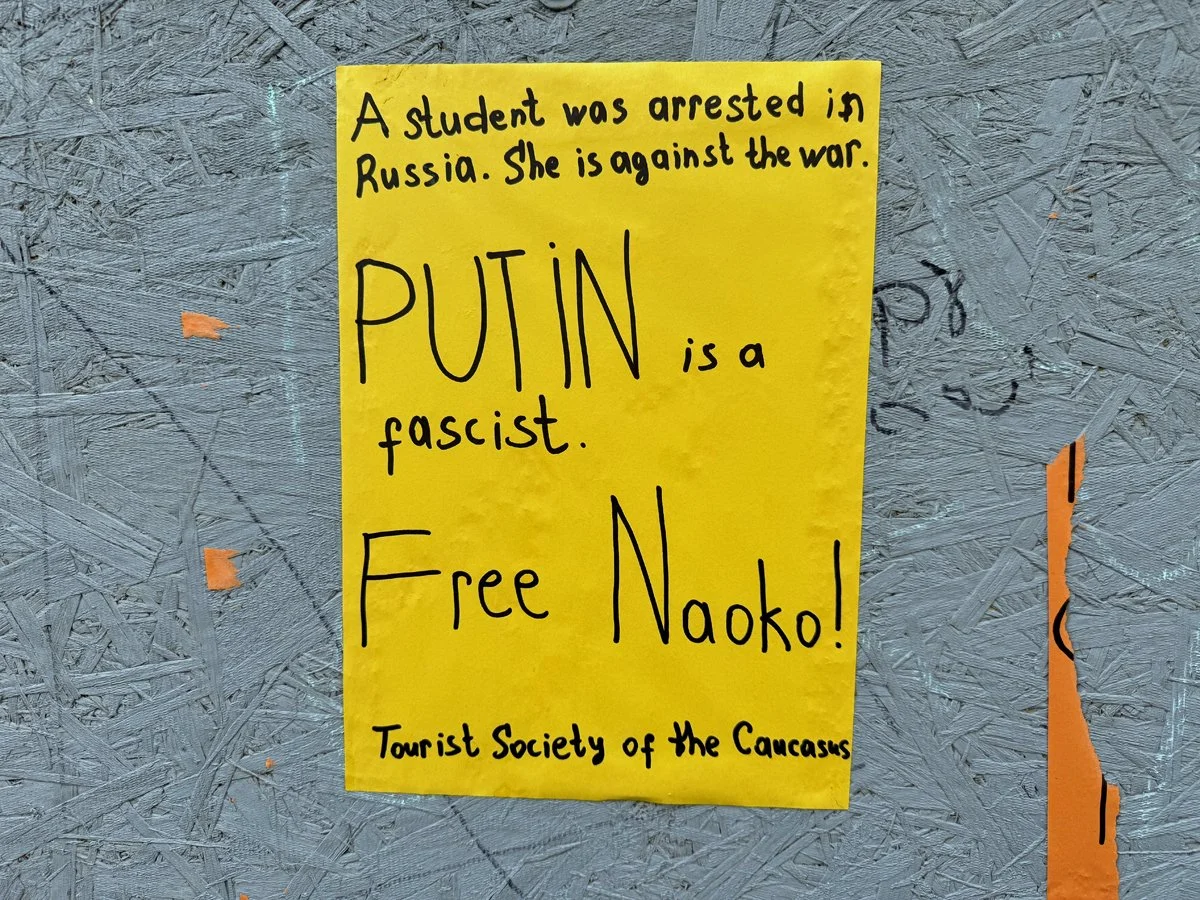
Most Western Europeans do not consider Georgia to be part of Europe, but geographically it is European, and post-Soviet generations of Georgians consider themselves European as well. The war against Ukraine has further cemented this European outlook among the people. It is tragic that a pro-Russian government has taken power.

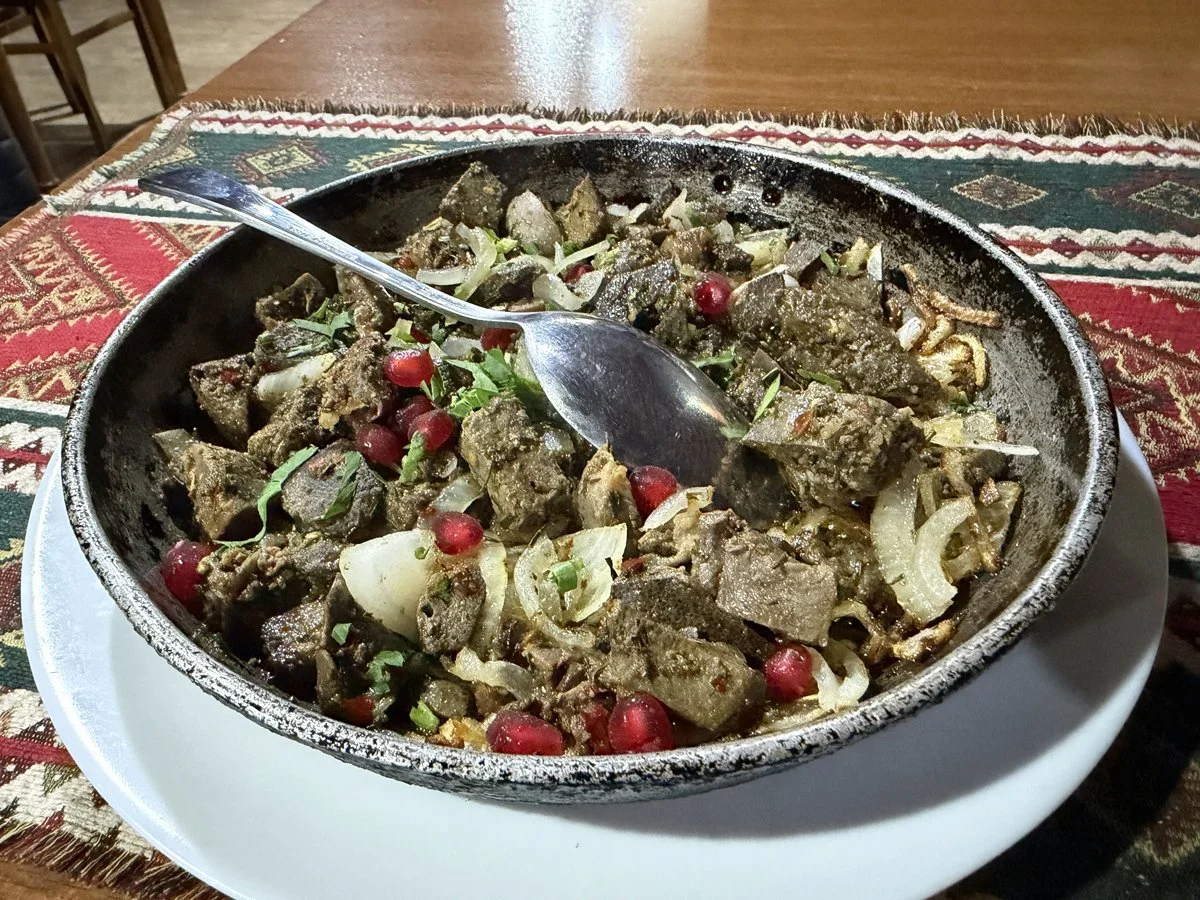
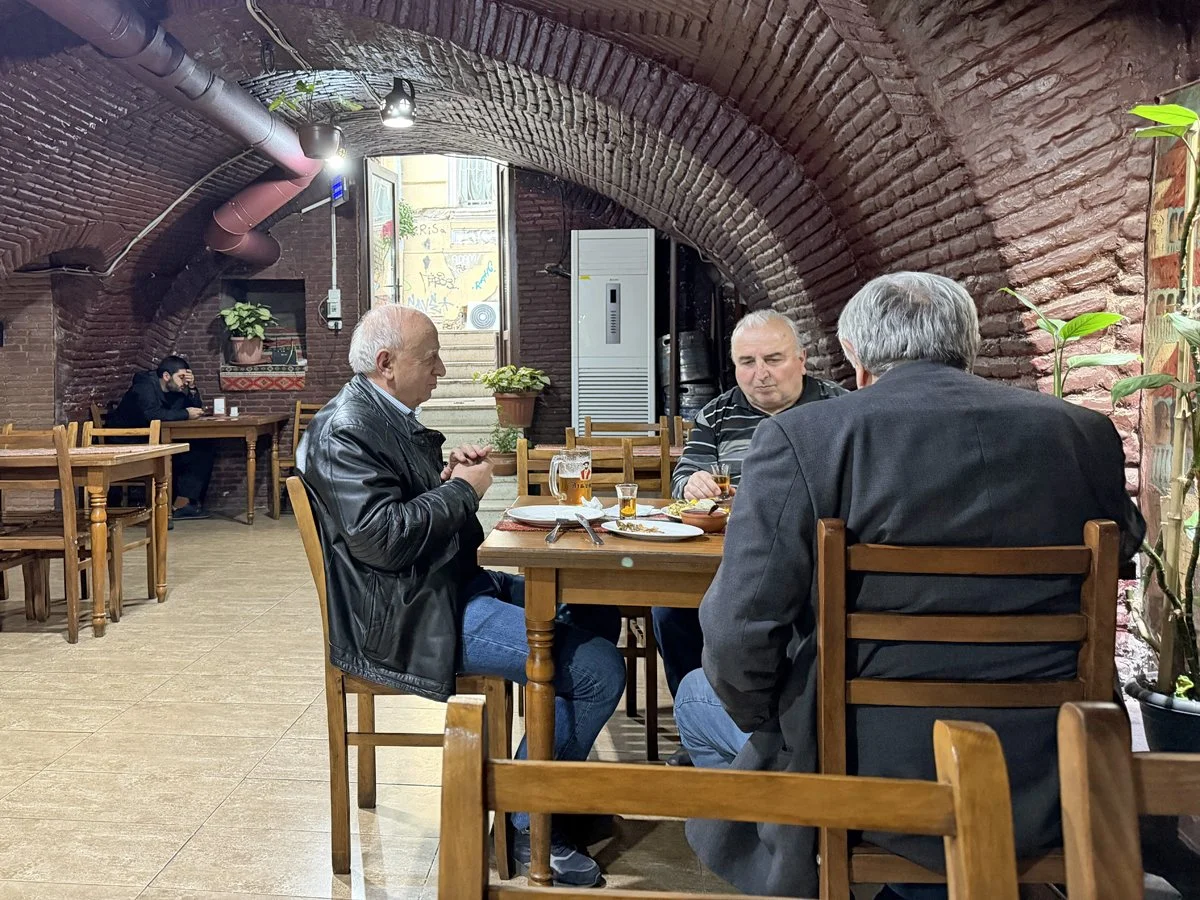
After some walking around it was time for dinner. I walked into Racha on 4 Mikheil Lermontovi Street. This is a somewhat old fashion restaurant. You order at a counter and the lady uses a number rack to calculate the amount, only to be paid in cash. I opted not for the healthiest option: Jigari (ჯიგარი): entrails. According to the menu it was pork entrails, but it can also be made of veal intestines. The jigari at Racha was rather dry. I have also seen recipes simmered in white wine and tomato sauce and included herbs as: dried summer savory, caraway and black pepper.
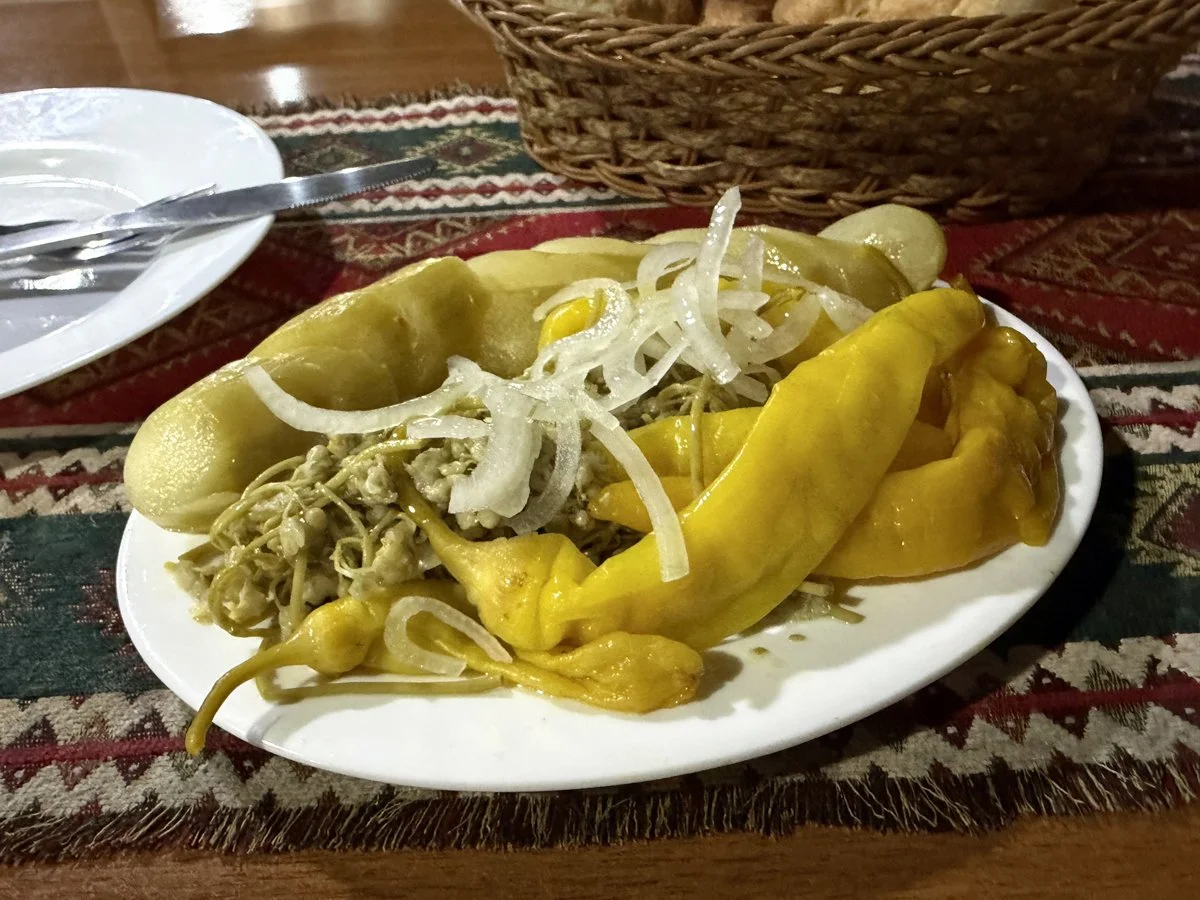
More pickles!
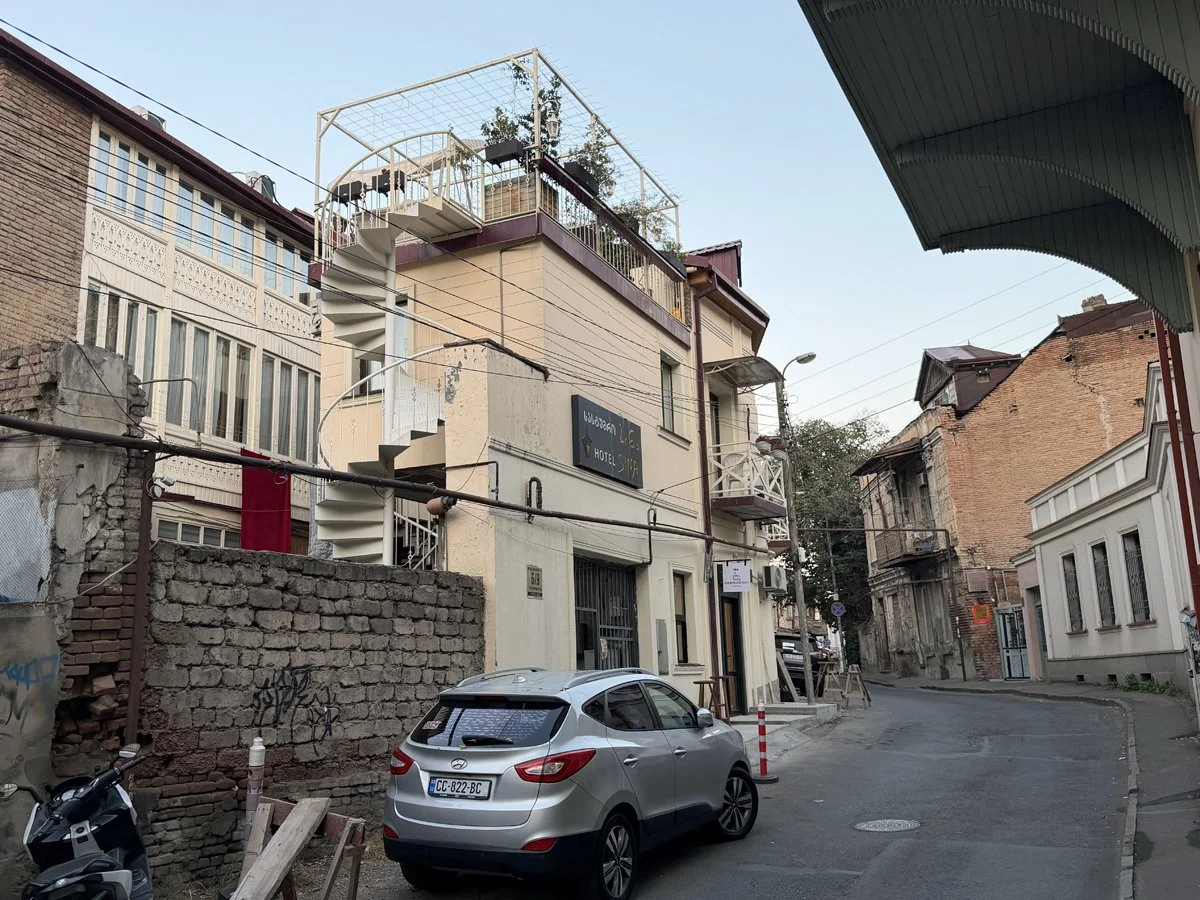
My apartment with “synagogue view” from the outside.
Chreli Abano Sulphur Baths
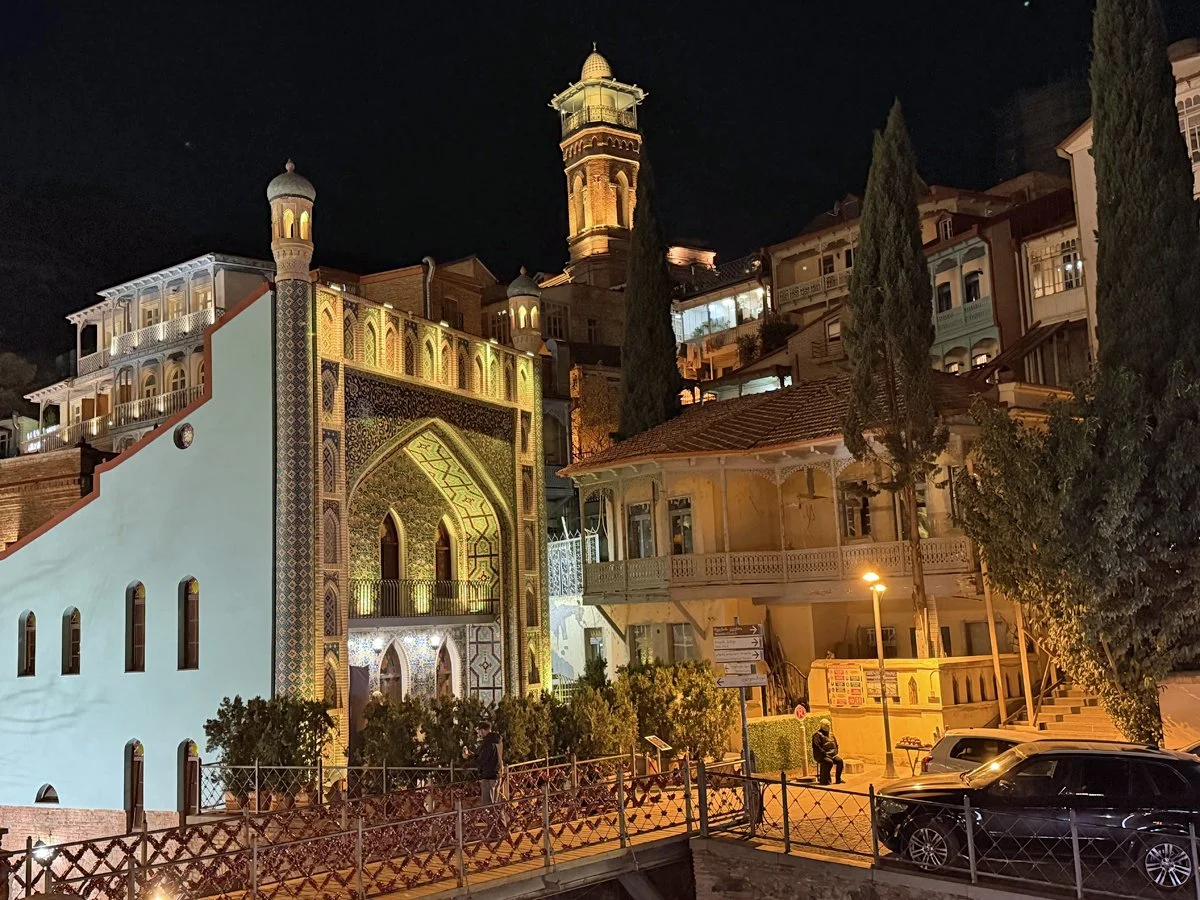
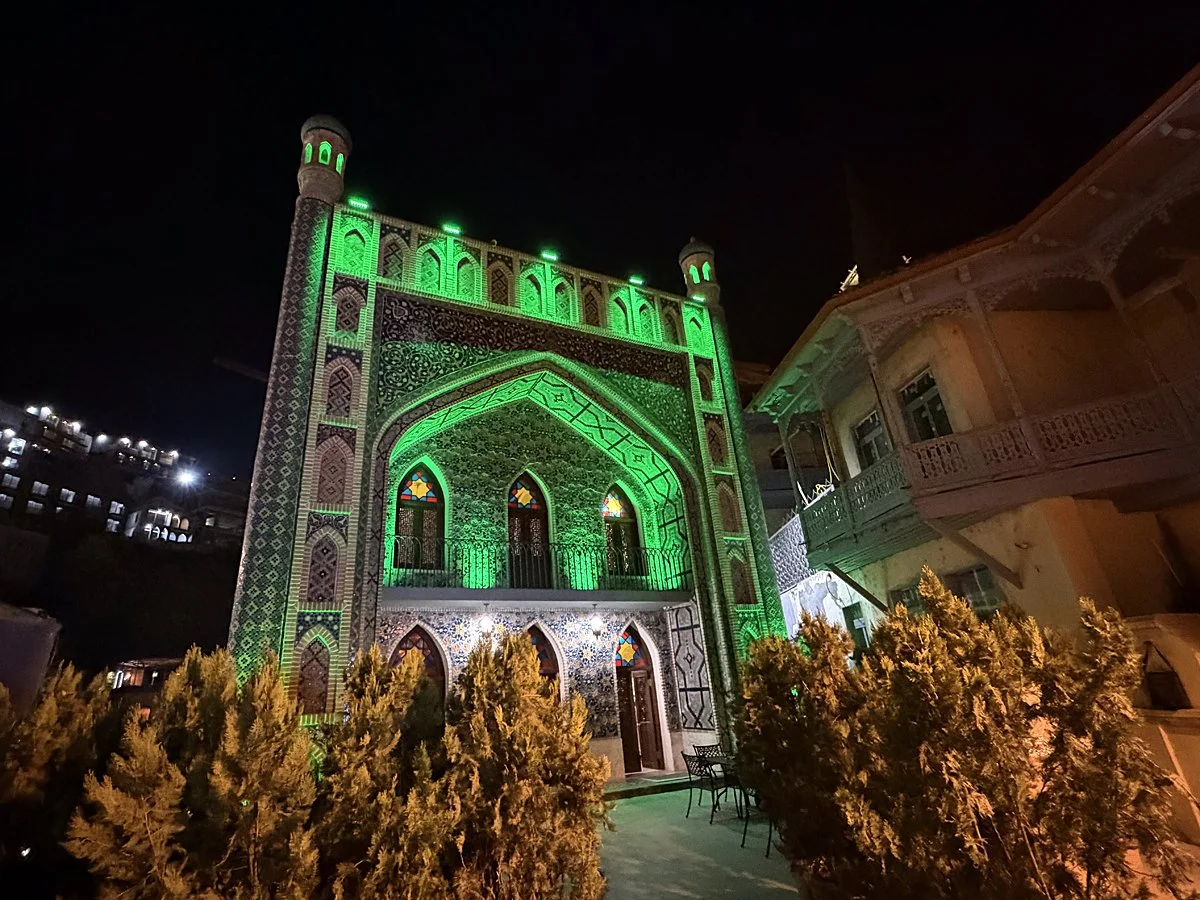
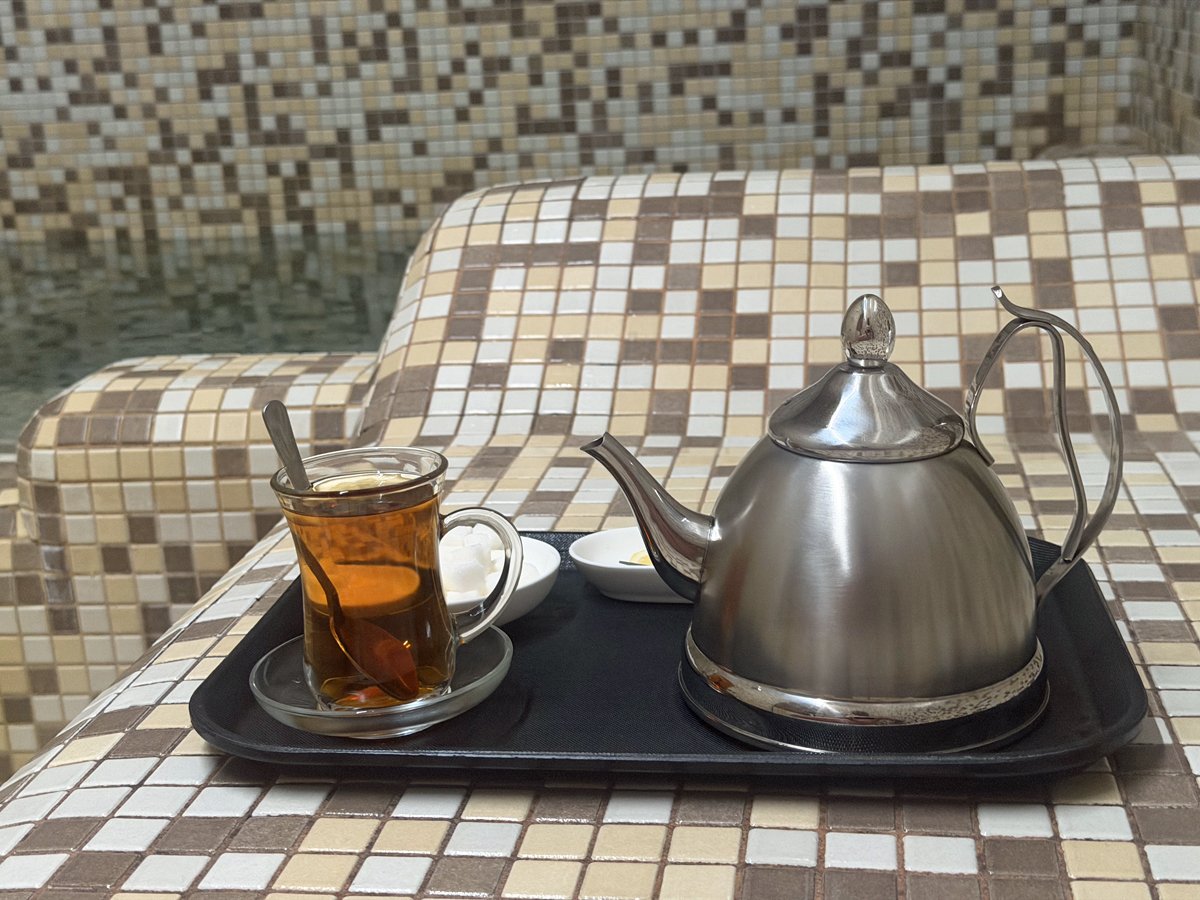
You can’t visit Tbilisi without going to a sulphur bath. Some are public, but the Google reviews were concerning: multiple visitors reported that the masseur seemed intent on killing them. Not out of fear, but out of preference, I opted for a private room, which was quite pleasant. I ordered tea, which was brought to me, and was advised to spend 15 minutes in the sulphur bath, take a cold shower, and repeat until the hour was over. The colorful Persian-style tiled façade of the Chreli Abano Sulphur Baths was constructed in the late 19th century, around the 1890s.
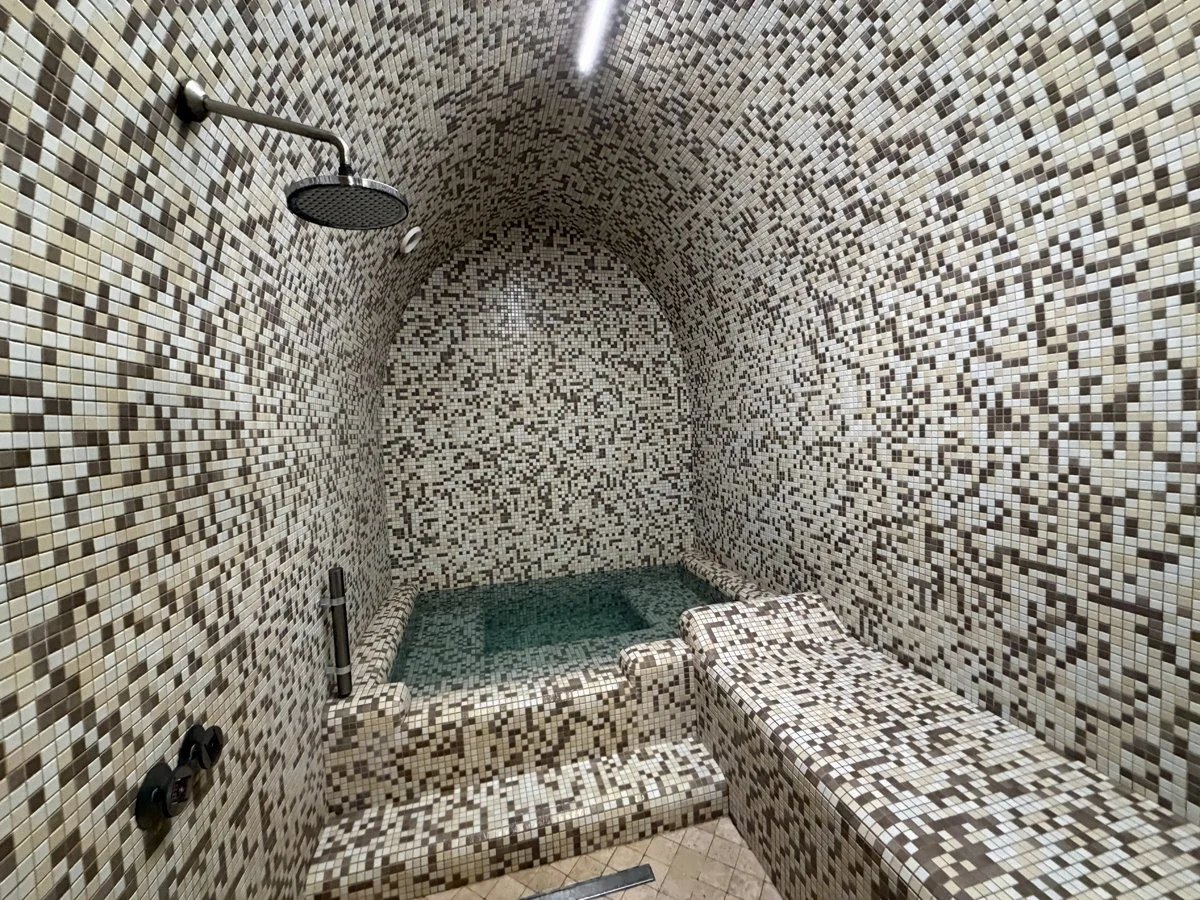
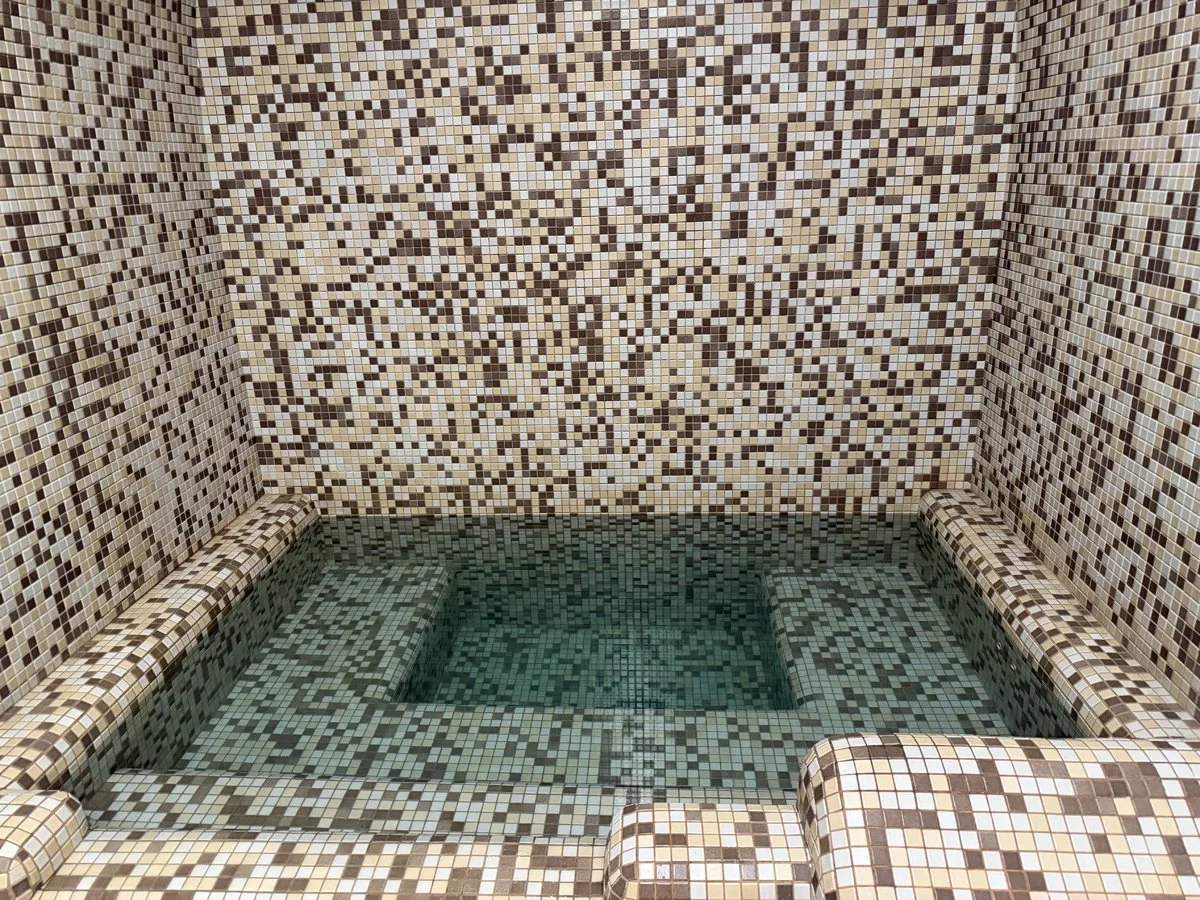
Since I was alone for a full hour and had time to reflect, I realized how rare it is for me to have a full hour without being online. When I’m not sleeping, my iPhone or iPad is always with me. I check the news at least a couple of times a day, and when I’m not reading the news, I watch 1990s music videos or people prepare Vietnamese or Indonesian recipes on Instagram—the more chilies or fermented fish sauce, the better. I rarely comment on social media.
It was hard to focus on nothing while submerged in the hot water. I imagined my father dying. A faint panic took hold, and it was time for the cold shower. After an hour, I did feel reborn.
After the baths, I went to bed early, but once back in my apartment I heard the loud noise of the protest—they were marching right down my street! I quickly got dressed again, locked the door, and joined the procession all the way to Freedom Square.
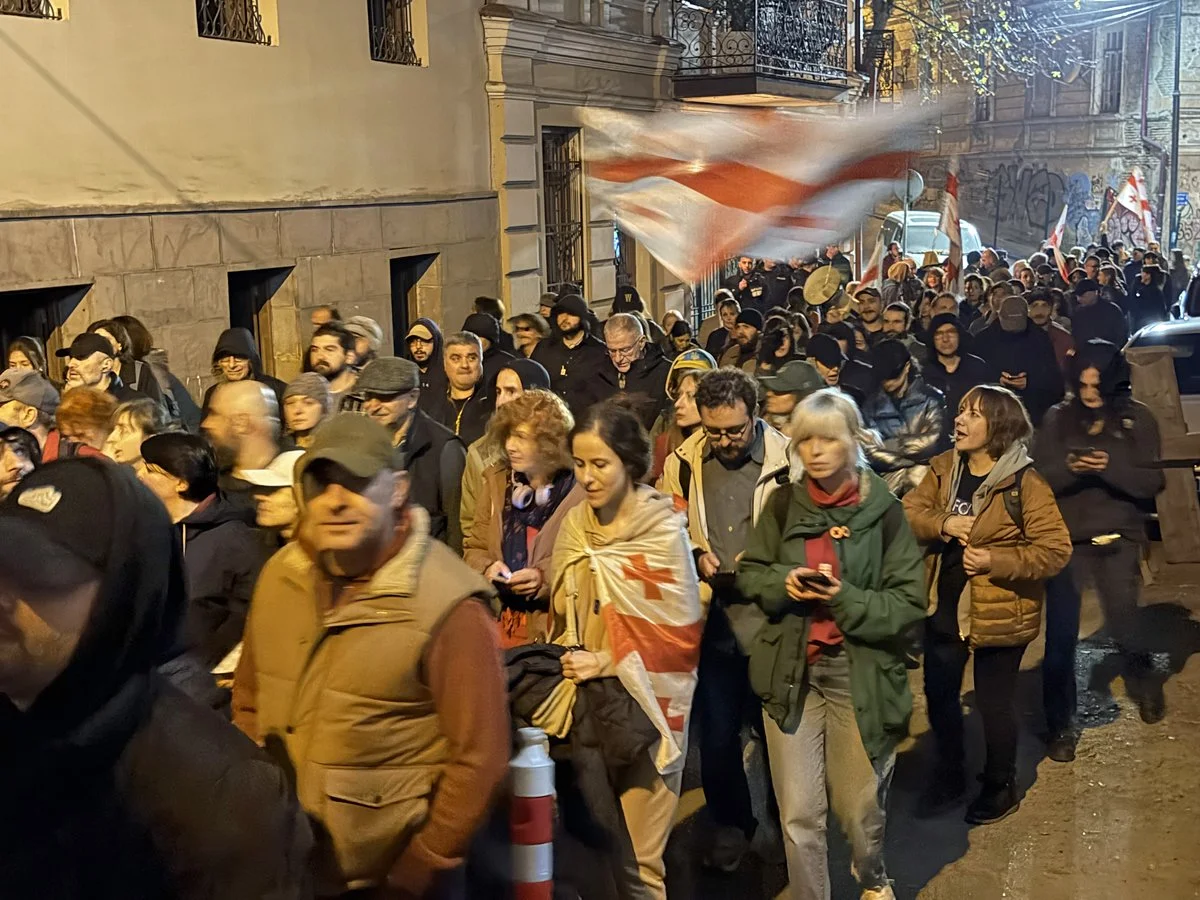
I didn’t know who the man in the green cap was, but he seemed to be one of the leaders that night. By the end of my journey, I would learn his name.
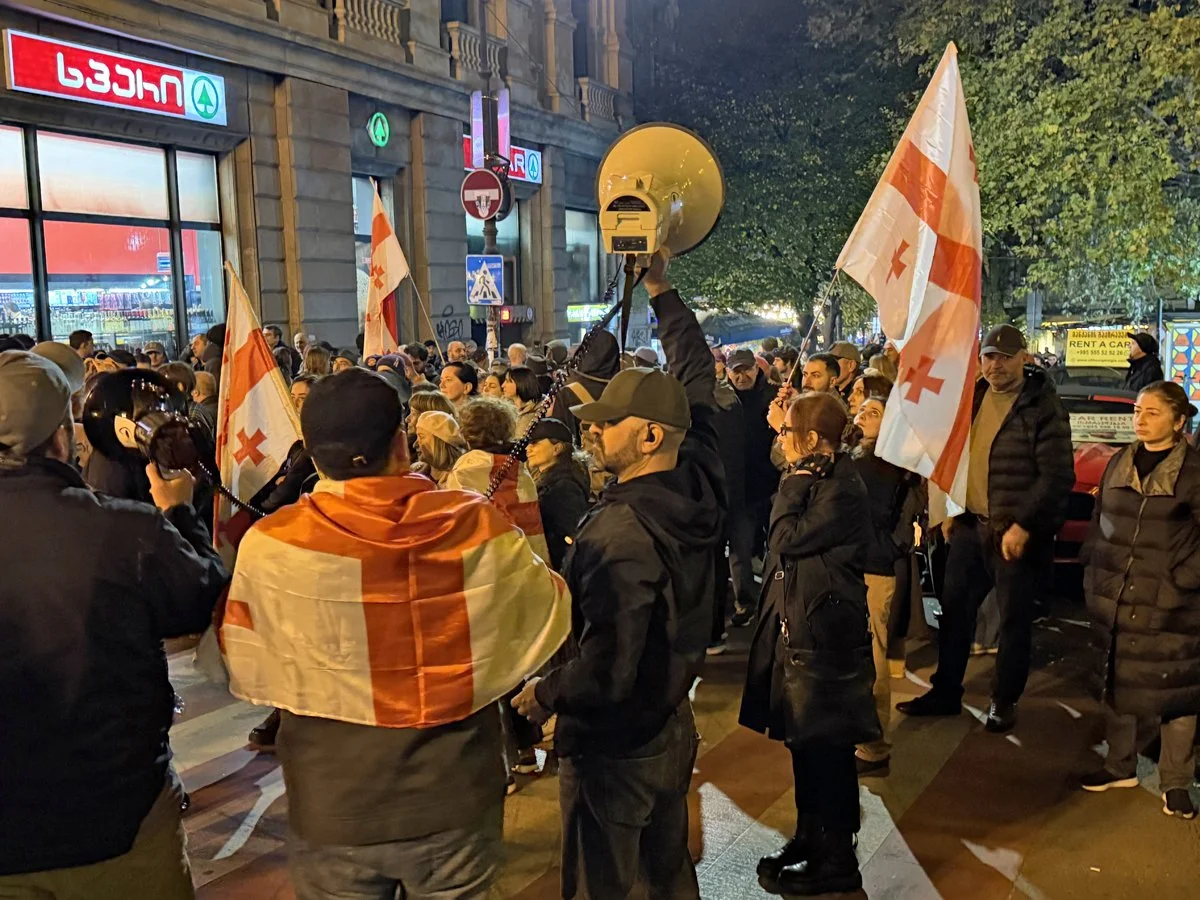
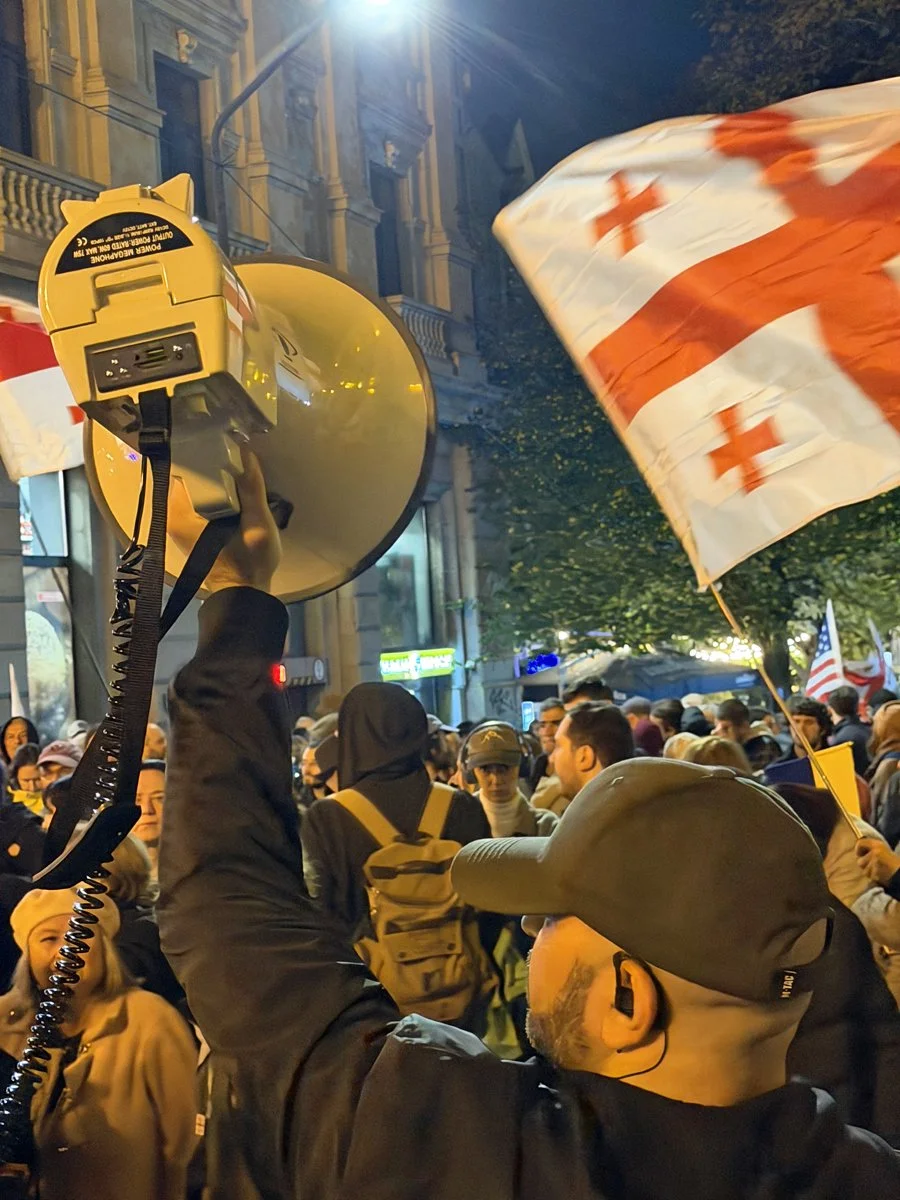
On Sunday, 23 November, the day I left Georgia, police crept up behind Davit Gunashvili and detained him while he was peacefully marching with other protesters. Davit had only recently been released from administrative detention. I can’t be completely certain, but Davit Gunashvili was wearing exactly the same outfit as the man I had been standing close to. I am confident that the man I photographed was Davit Gunashvili.


In Tbilisi, I started following @rusudandjakeli.bsky.social on Bluesky. Most online communication about the protests takes place in Georgian, mainly on Telegram or in Facebook groups, so I had to rely on this English-language Bluesky account. I’ve been following it ever since and have watched the police grow more oppressive week by week. Just this past week (the third week of December 2025), police began arresting bystanders standing on the sidewalk.

Not my photo.
Next post: Blue fenugreek