Turtle Lake
Back in Tbilisi
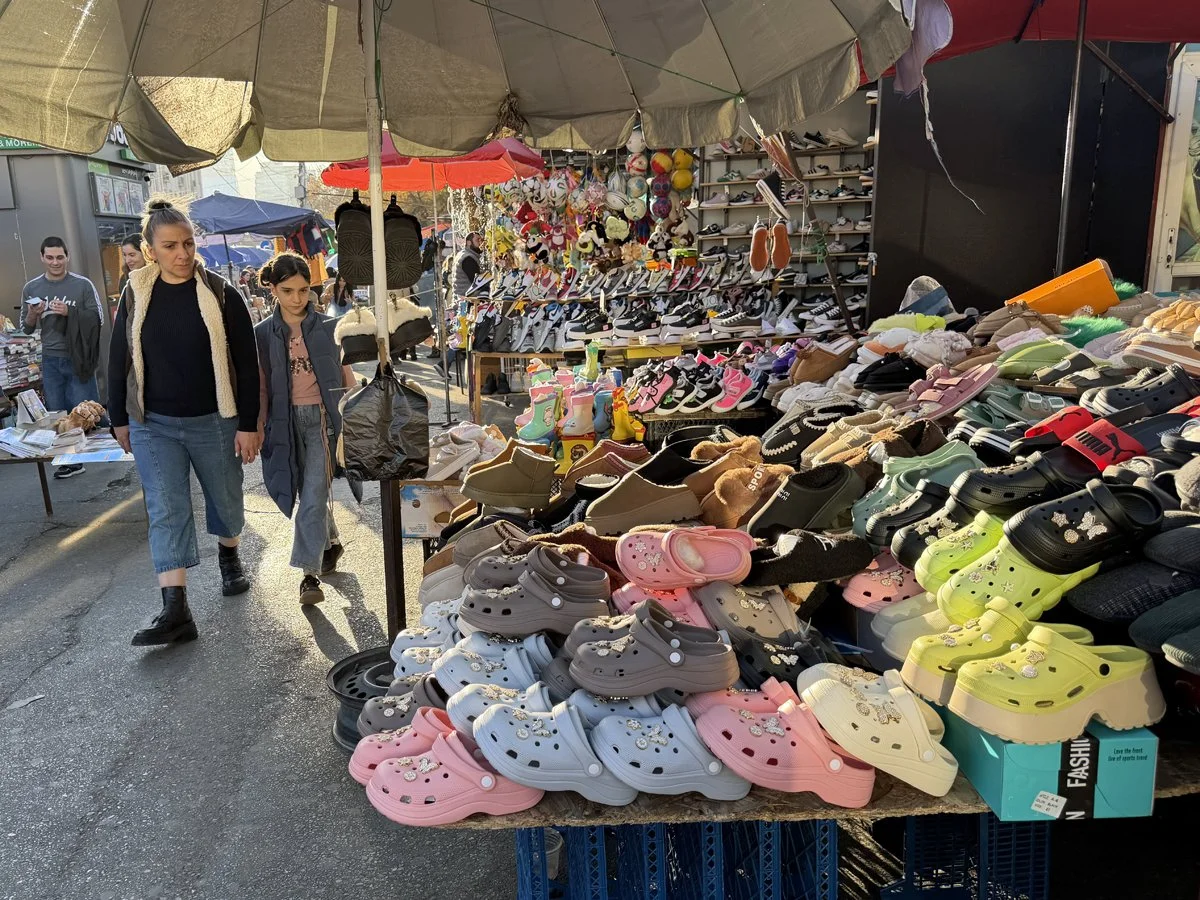
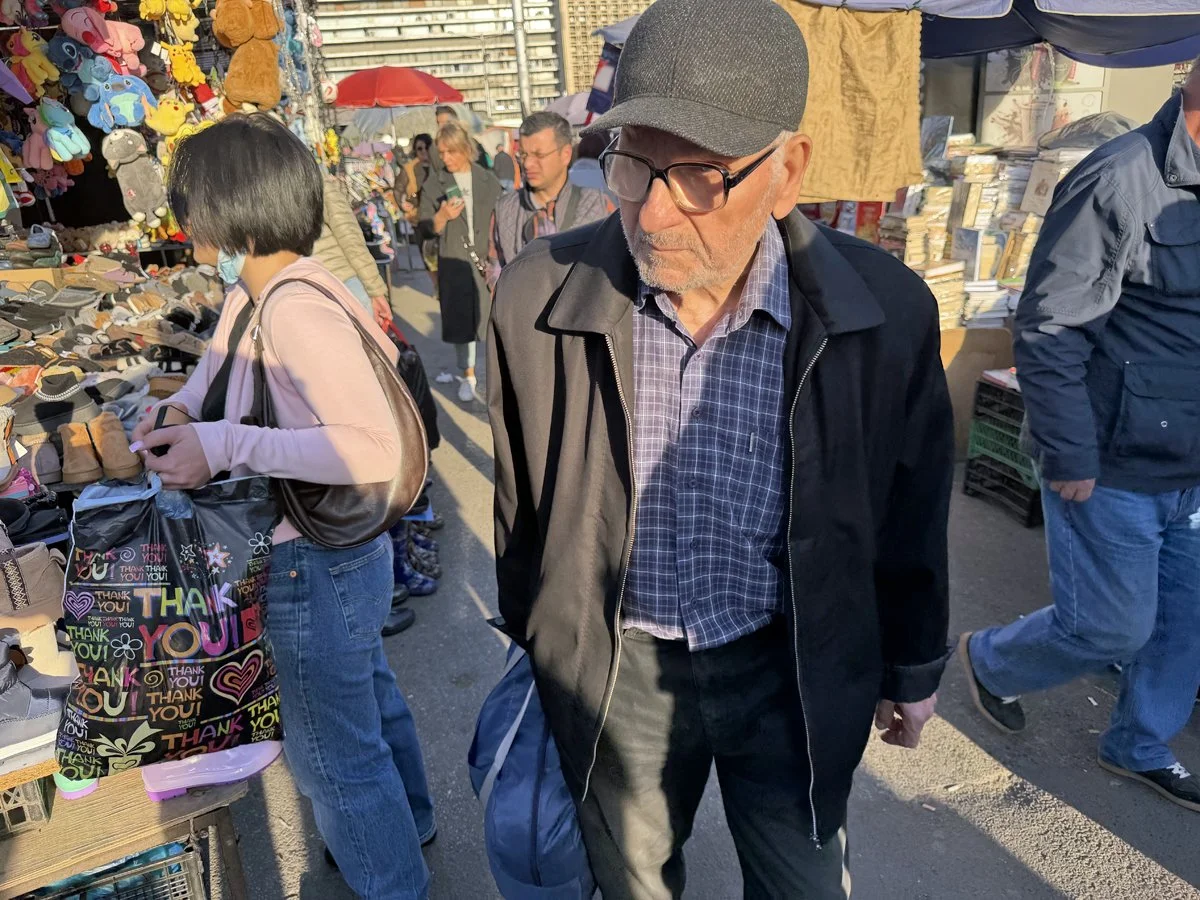
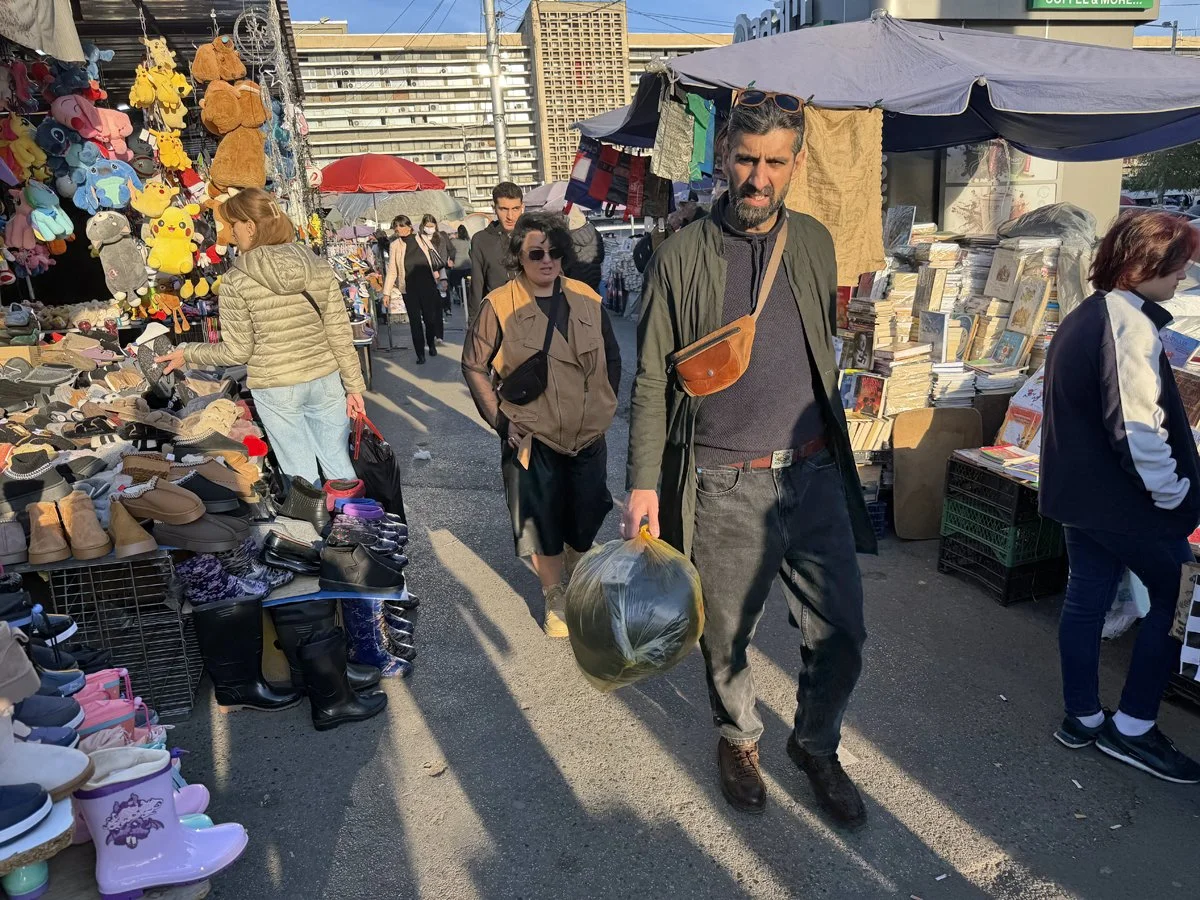
I arrived back in Tbilisi—and in a different world—by train. I didn’t need to buy anything, but I still lingered at the market in front of the railway station. When I travel, I love markets—it’s usually not the most affluent people who shop there. There were so many plastic Crocs clogs on display, but I already have three pairs at home.

On Friday evening, I ended up at the Aslan barbershop. I explained that I wanted a haircut and a tidy beard. Half an hour later, I found myself with cotton swabs sticking out of my nostrils and ears—a clever way to pull out hot wax used to remove stray hairs. Shortly after, a facial mask followed, and I realized I was getting the full treatment. I figured I was rich enough to pay and didn’t protest. In the end, it cost about half of what I would have paid back home.

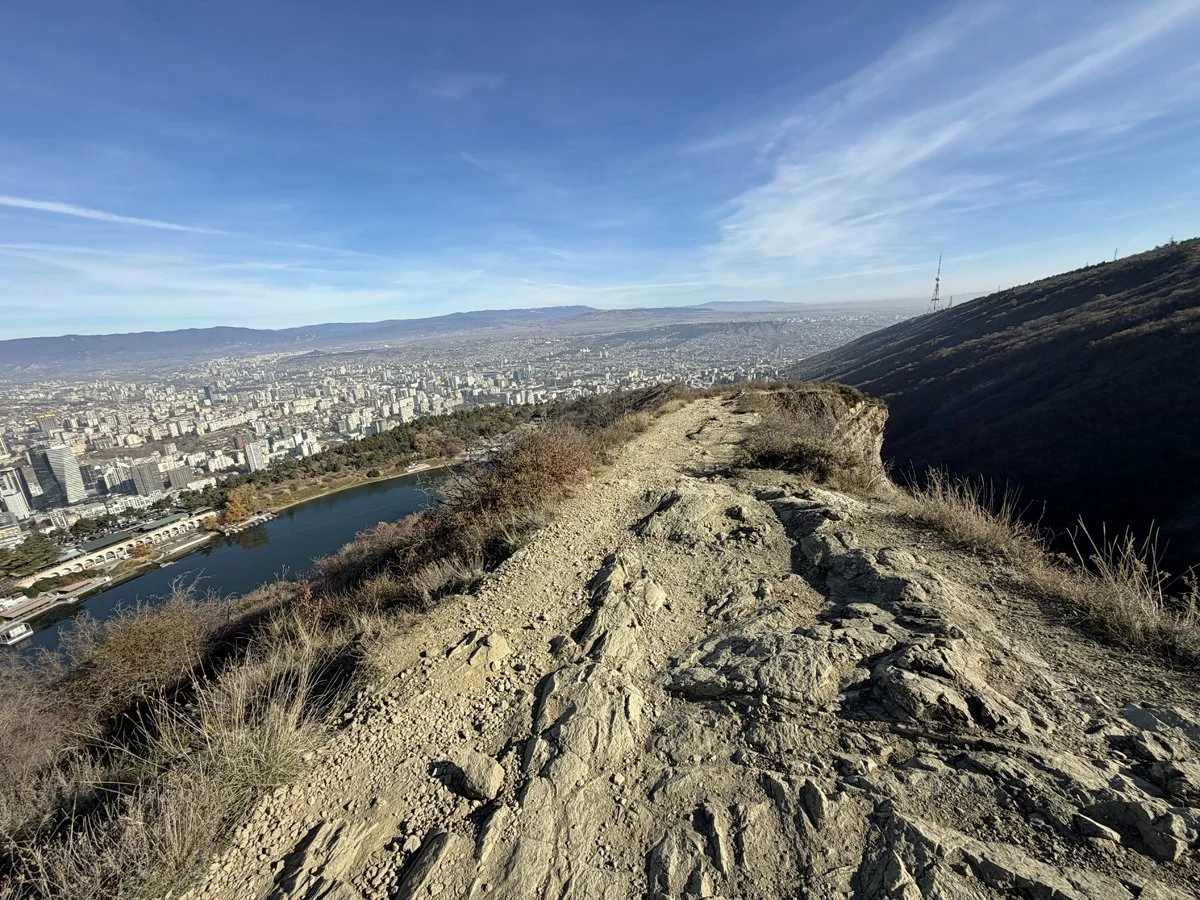
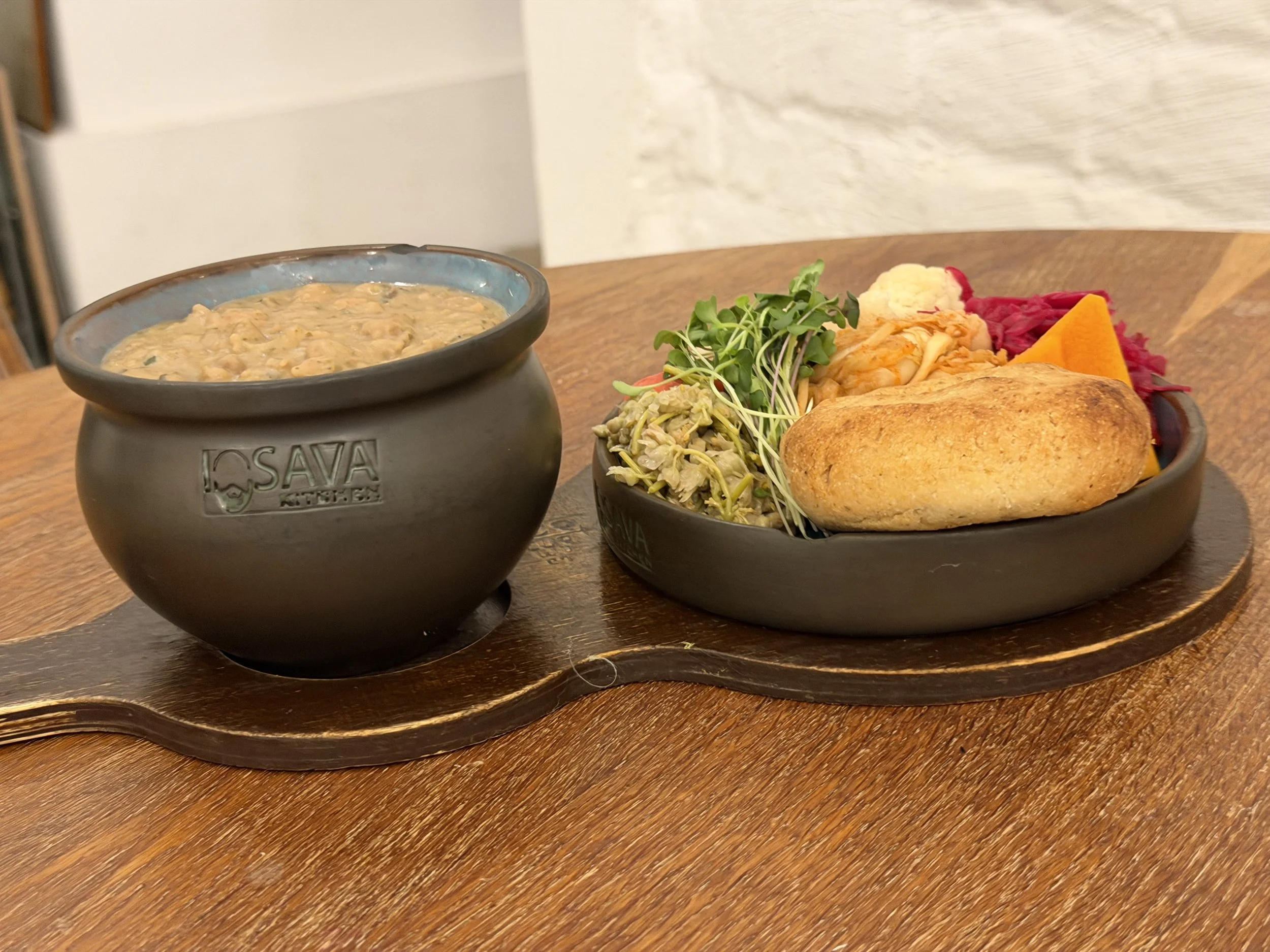
On my last day, I decided to take a long city hike along the mountain ridge to Turtle Lake. I was simply curious to see the lake—no other reason. For breakfast, I had beans and porridge at Mtatsminda Park. When I arrived at 9 a.m., all the food places were still closed, and I had to wait almost an hour. On the trail, I knew there would be nothing to eat.

It was only half an hour farther than my hike on Thursday, but this time the walking felt much easier. Within a week, I had grown used to the hills. I brought some tap water and was hardly hungry—the beans and porridge had provided enough energy to last until late afternoon.
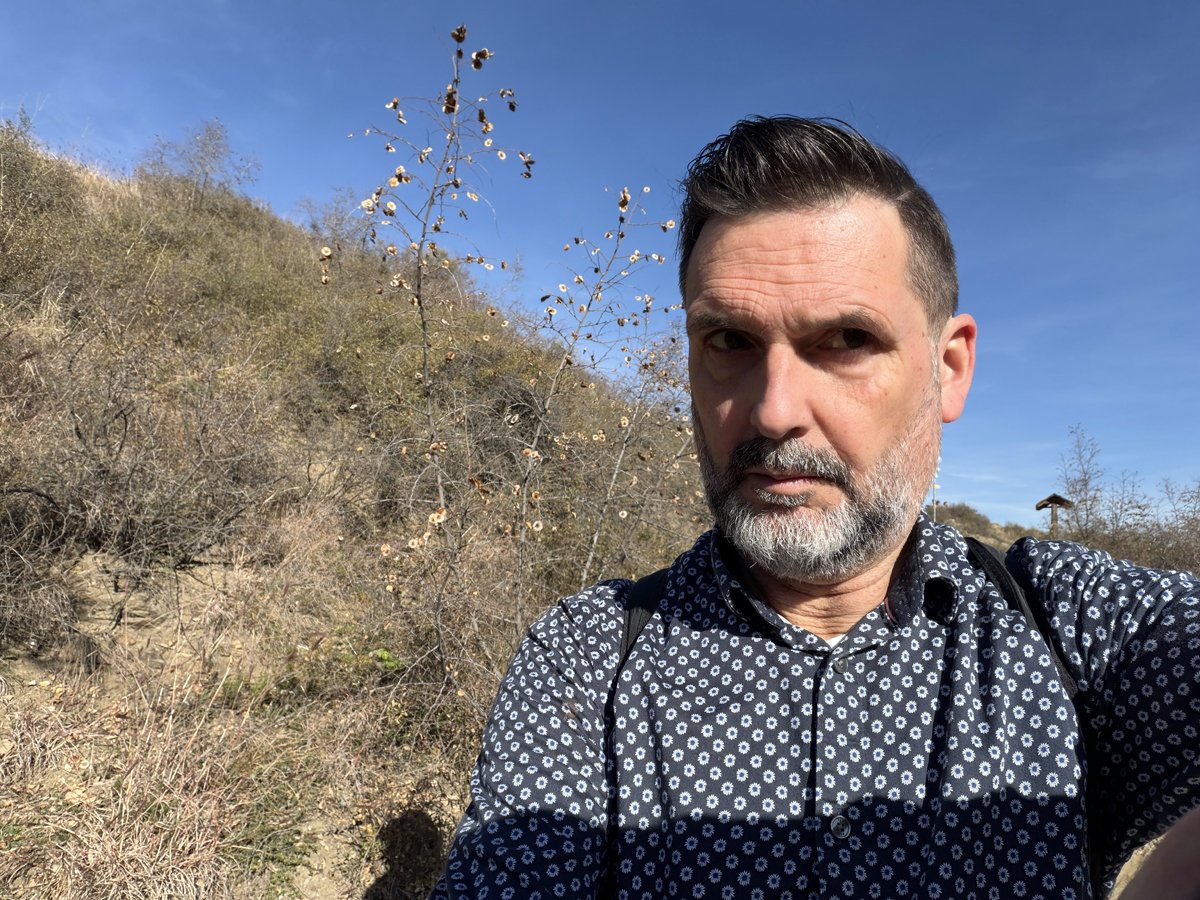
Because I stayed in the same apartment for the full eight nights, the journey felt more relaxed. I even had time to reflect on life. I realized that I don’t hike nearly as much as I used to. Working full-time, combined with the self-imposed obligation to visit my father every Saturday and help him maintain the house and garden, meant that the last time I could truly decide what to do with my weekends was before 2018. That was the year my mother was hospitalized for the first time, and since then I’ve dropped everything on weekends—except when I’m traveling.
Turtle Lake was underwhelming. I had expected a secluded high-mountain lake, but instead it was very much at city level and could be reached by car from the other side of the ridge. Still, the sun was shining, and even after a week the autumn temperatures remained around 20 degrees Celsius.
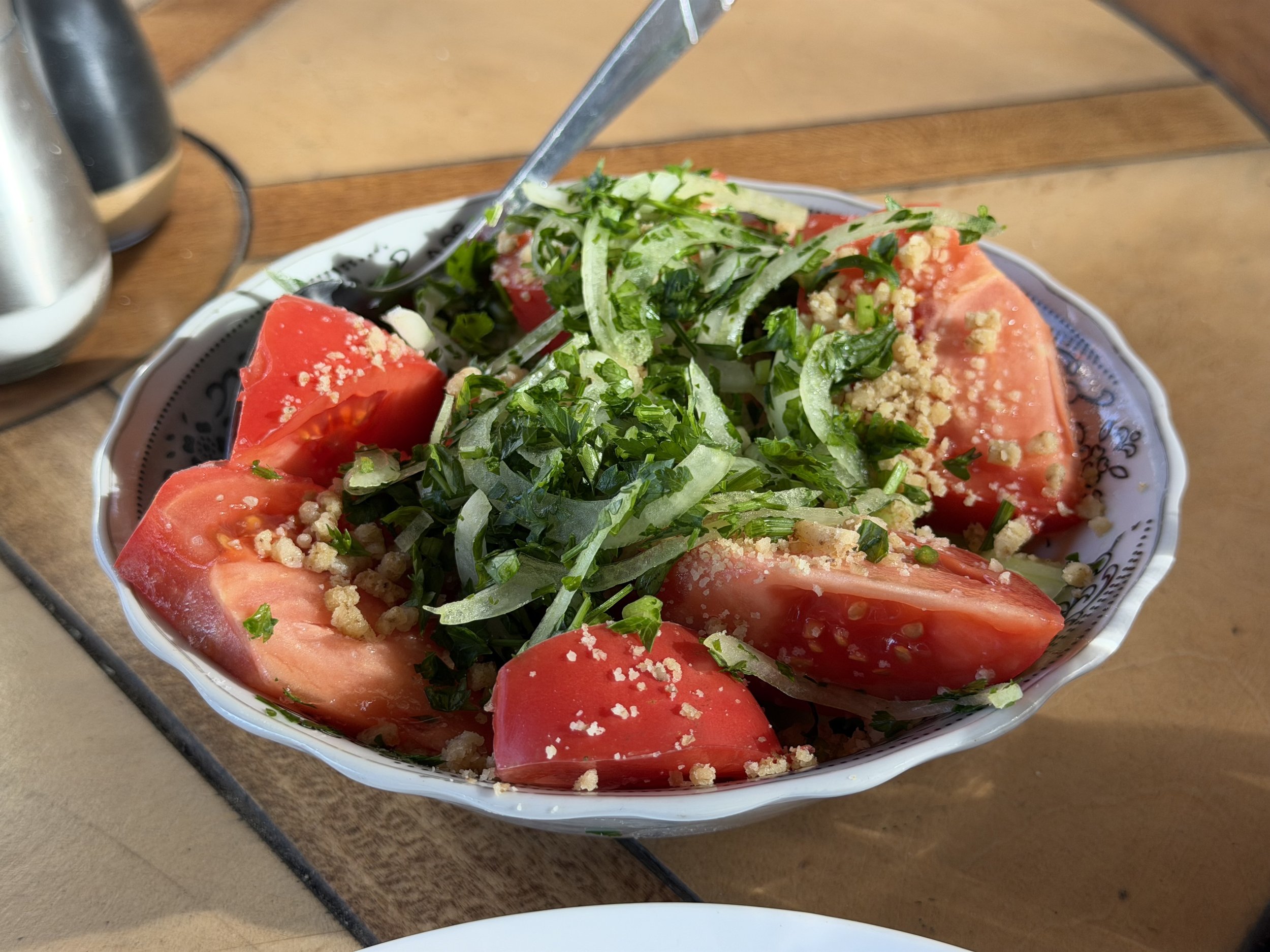
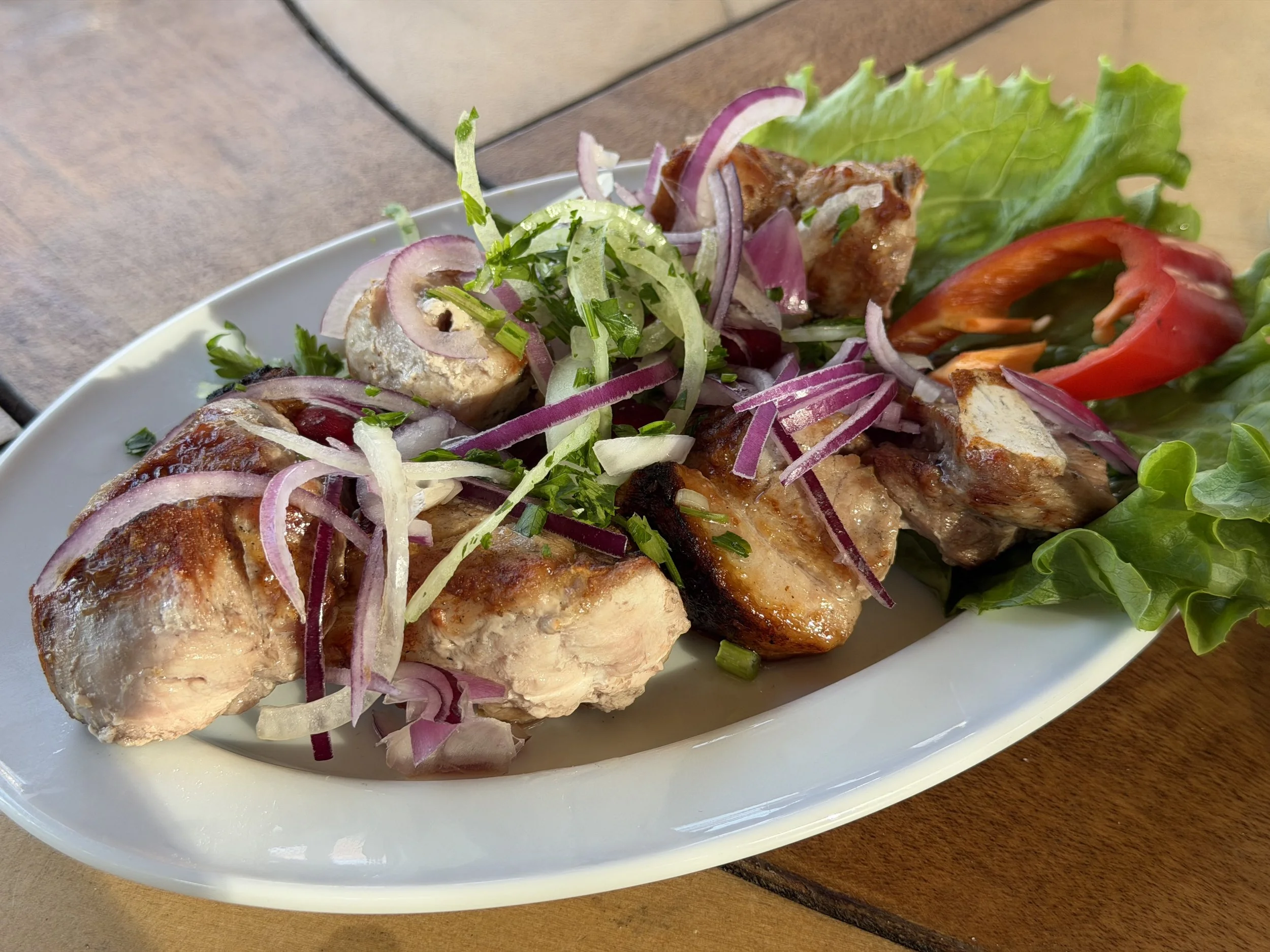
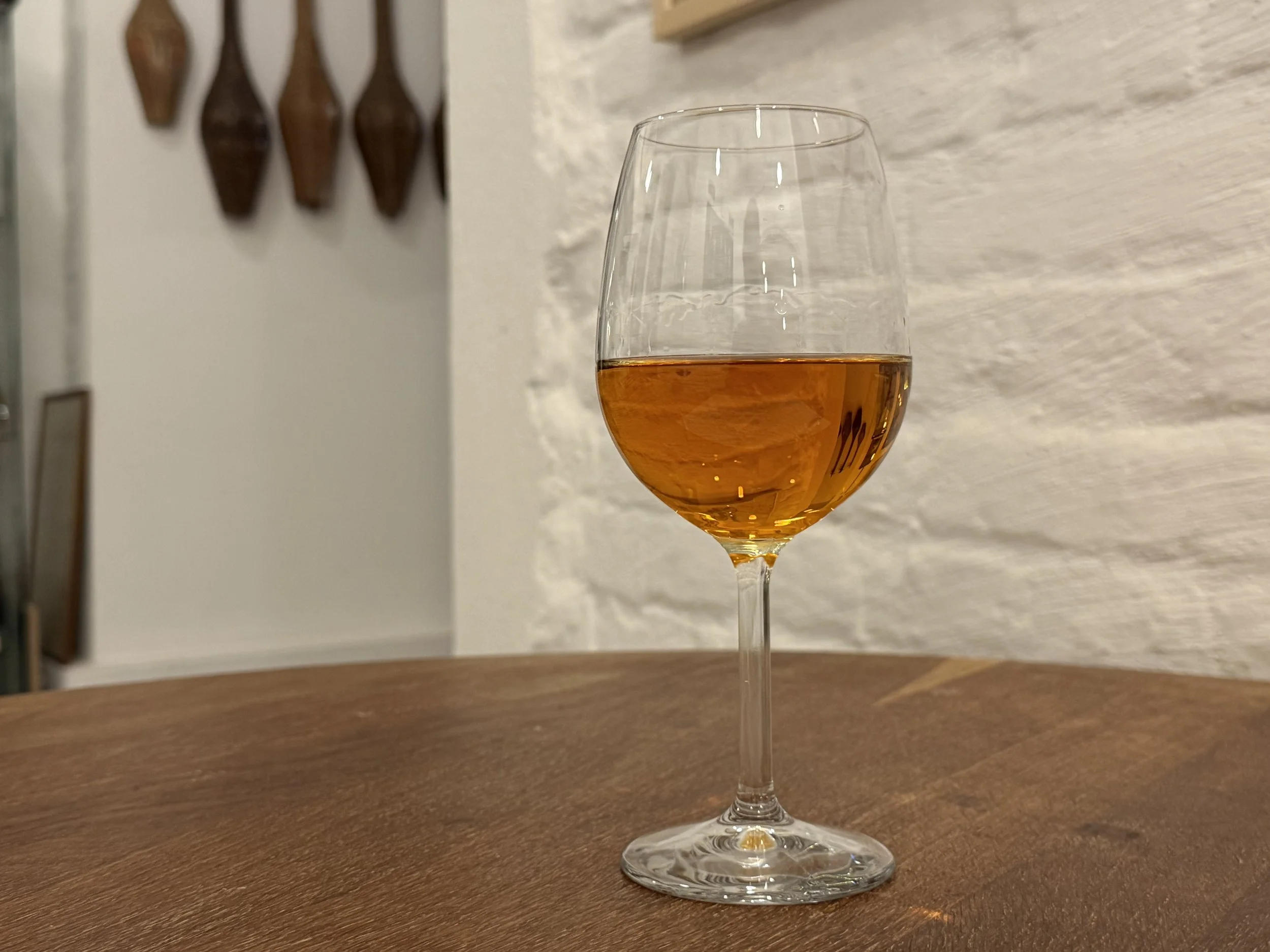
When I got back to the TV Tower, I caught the smell of a barbecue. With no need for more carbs, I ordered the classic tomato-and-cucumber salad with a crumbled walnut dressing. For meat, I chose a single skewer of pork, called mtsvadi, along with a glass of red wine. Mtsvadi is essentially the same as shashlik—the word shashlik even entered the Dutch language as sjasliek. At home, I own half-meter-long metal skewers, and once a year I indulge myself by roasting a skewer of pork.
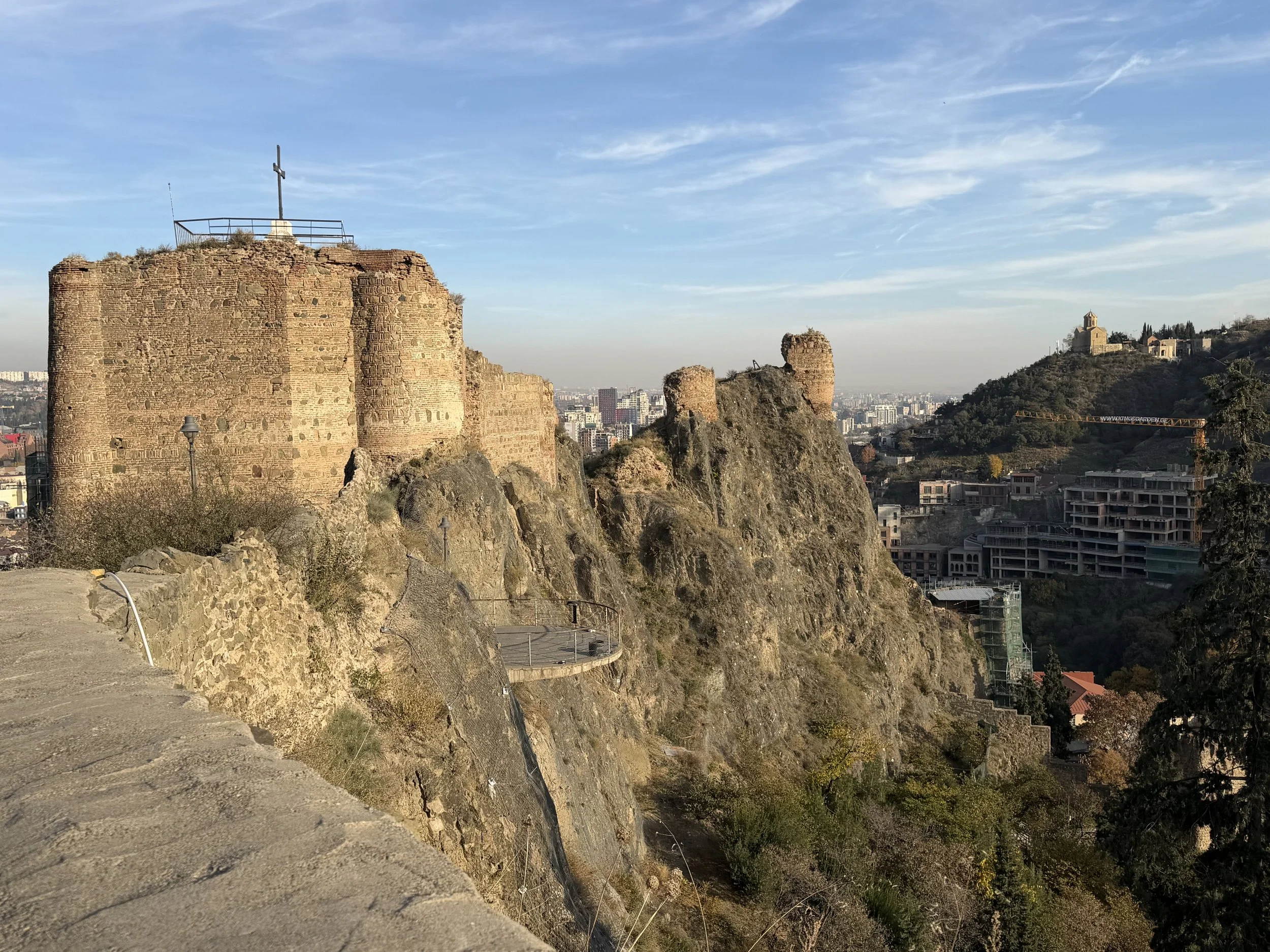
Just fifteen minutes of climbing from my apartment, the Narikala Fortress towers over the Old City. The site was under construction at the time, so it was closed to visitors. According to legend, it was first built when Tbilisi was part of the Kingdom of Iberia (c. 302 BC–580 AD). Over the centuries, the fortress was captured by the Persians, then fell into the hands of the Umayyad Caliphate and later the Kingdom of Georgia (1008–1490). However, most of the structures visible today date from the 16th and 17th centuries.
Salobie Bia სალობიე ბია
17 Shota Rustaveli, Tbilisi
Because my lunch was postponed until the afternoon, I had my last dinner quite late. I went back to the Bean House on Rustaveli Avenue for a classic lobio, served with pickles. When it comes to longevity, this was probably the healthiest meal I ate in Georgia. Lobio can be flavored with adjika and walnuts. Adjika is made from red chili peppers, garlic, walnuts, fresh green coriander, dried coriander, summer savory, oil, white wine vinegar, and salt.
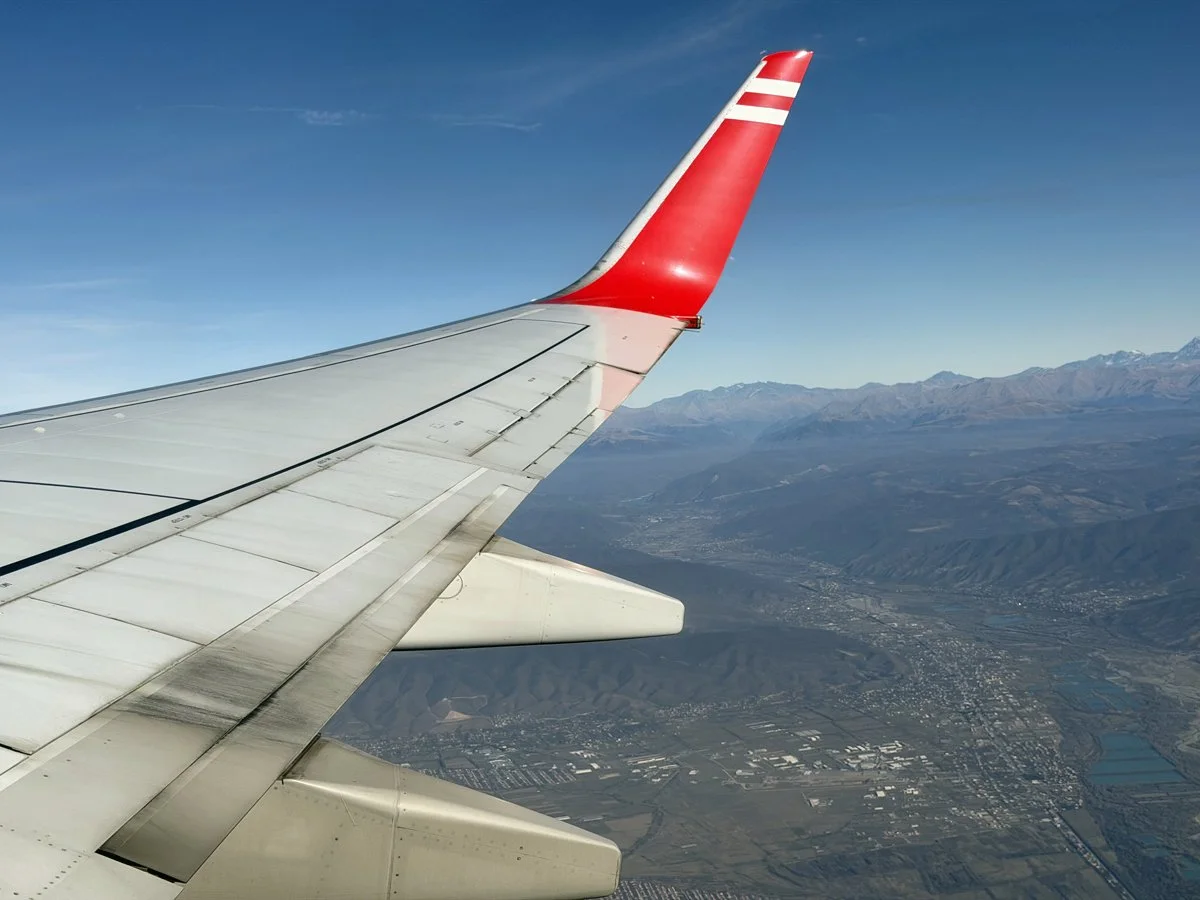
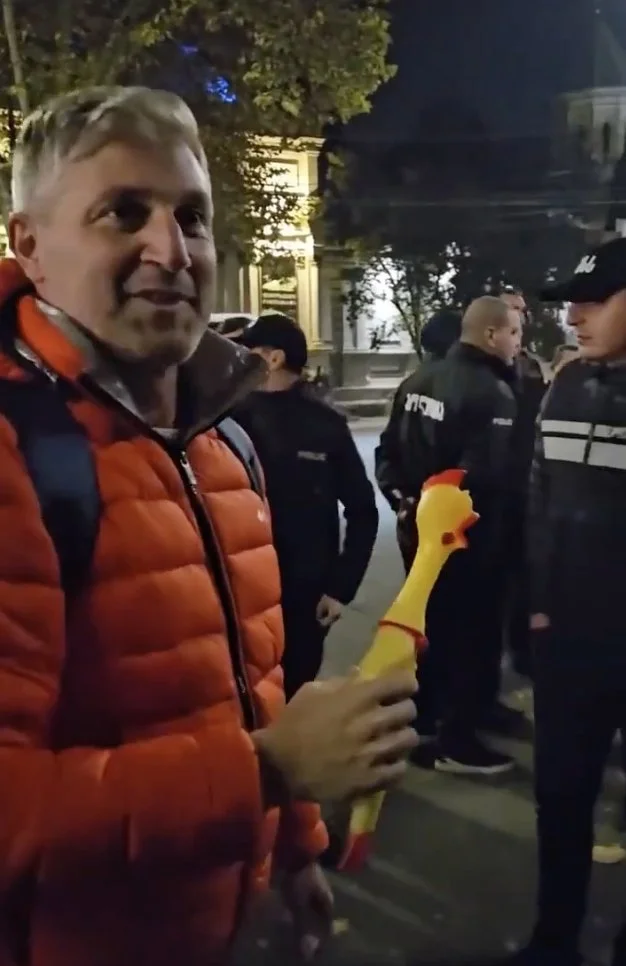
On Sunday morning, my flight took off from Tbilisi. I left behind a city with increasingly restrictive laws against peaceful protest and a police force that was suppressing the daily demonstrations more and more aggressively. One day, a man was arrested for squeaking a rubber duck at the police; another day, a woman was arrested simply for standing on the sidewalk. In total, five Georgians are now being charged with “obstructing movement” for protesting peacefully on a sidewalk. Each faces up to 15 days of administrative detention and up to one year in prison for repeated “offenses.”
The Georgian courts are also keeping 61-year-old protester Zurab Menteshashvili in pretrial detention. He is being prosecuted criminally under Georgian Dream’s new repressive laws for “blocking the road”—meaning peacefully standing in the middle of Rustaveli Avenue during the daily protests.
This news hit protesters hard. According to a BBC investigation, the Georgian Dream regime used a World War I–era chemical agent called “camite” during last year’s protests.
Despite mass arrests, draconian laws, and heavy fines, Georgians continue to take to the streets every single day. At the time of writing, this marked day 394 of daily, uninterrupted protests in Georgia. I think they are all heroes.