South Ossetia
During the week, I had booked a wine tour, which turned out to be difficult: November is a quiet month, and not many tours are available. When my booking was canceled, I quickly rearranged my itinerary and planned a visit to the South Ossetian border on Friday, 21 November. There was a train to Gori, but beyond that there was no public transport. Only a few hundred people live in border town Nikozi, so even a minibus doesn’t have enough passengers to run regularly. In Gori, I had to arrange a taxi for half the day.
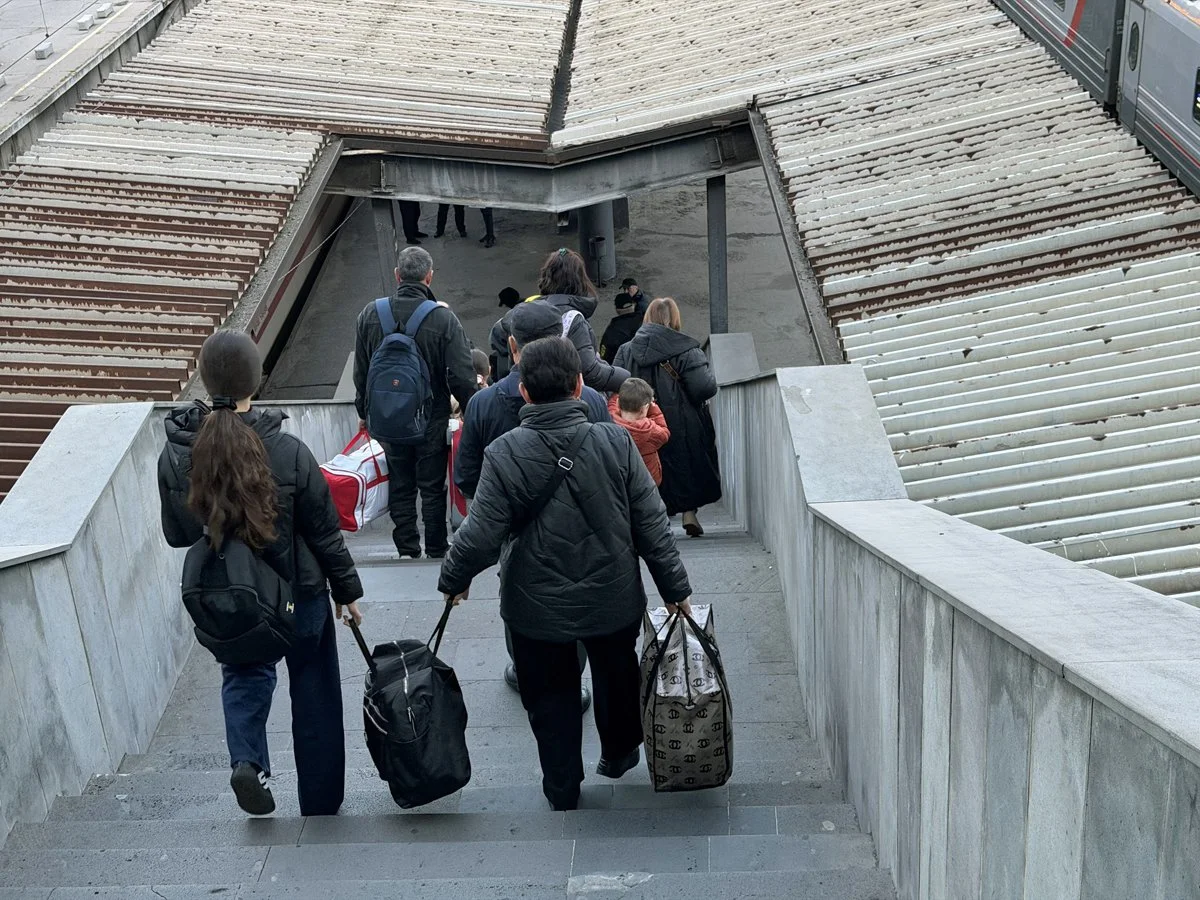
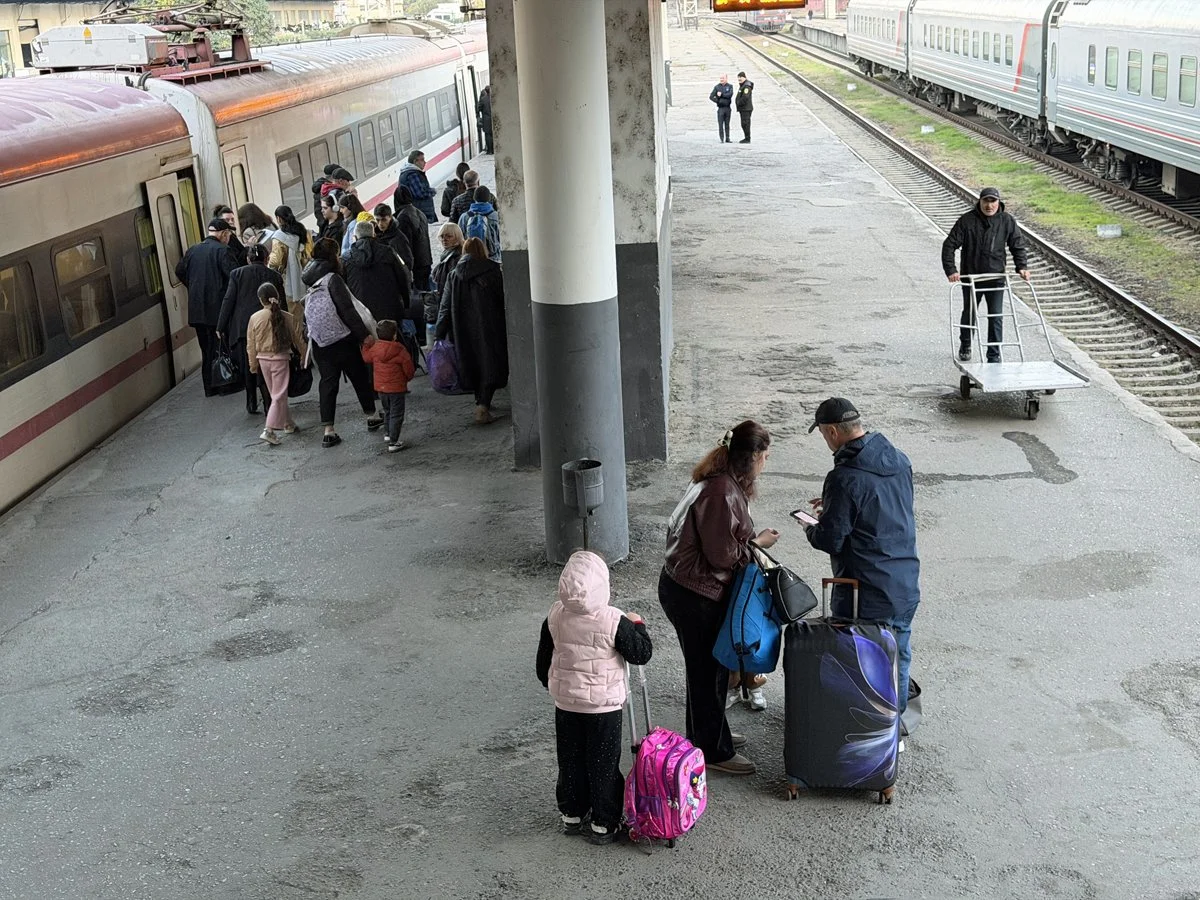
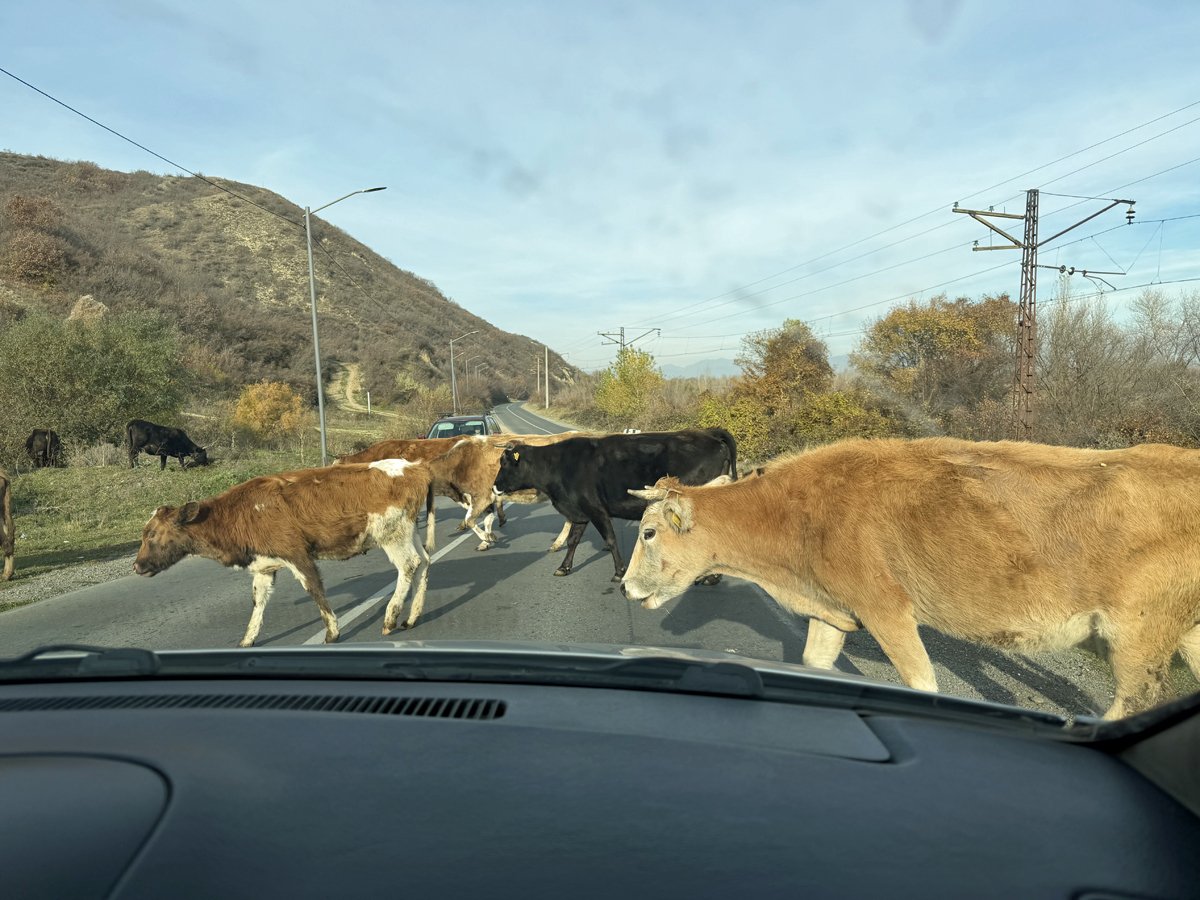
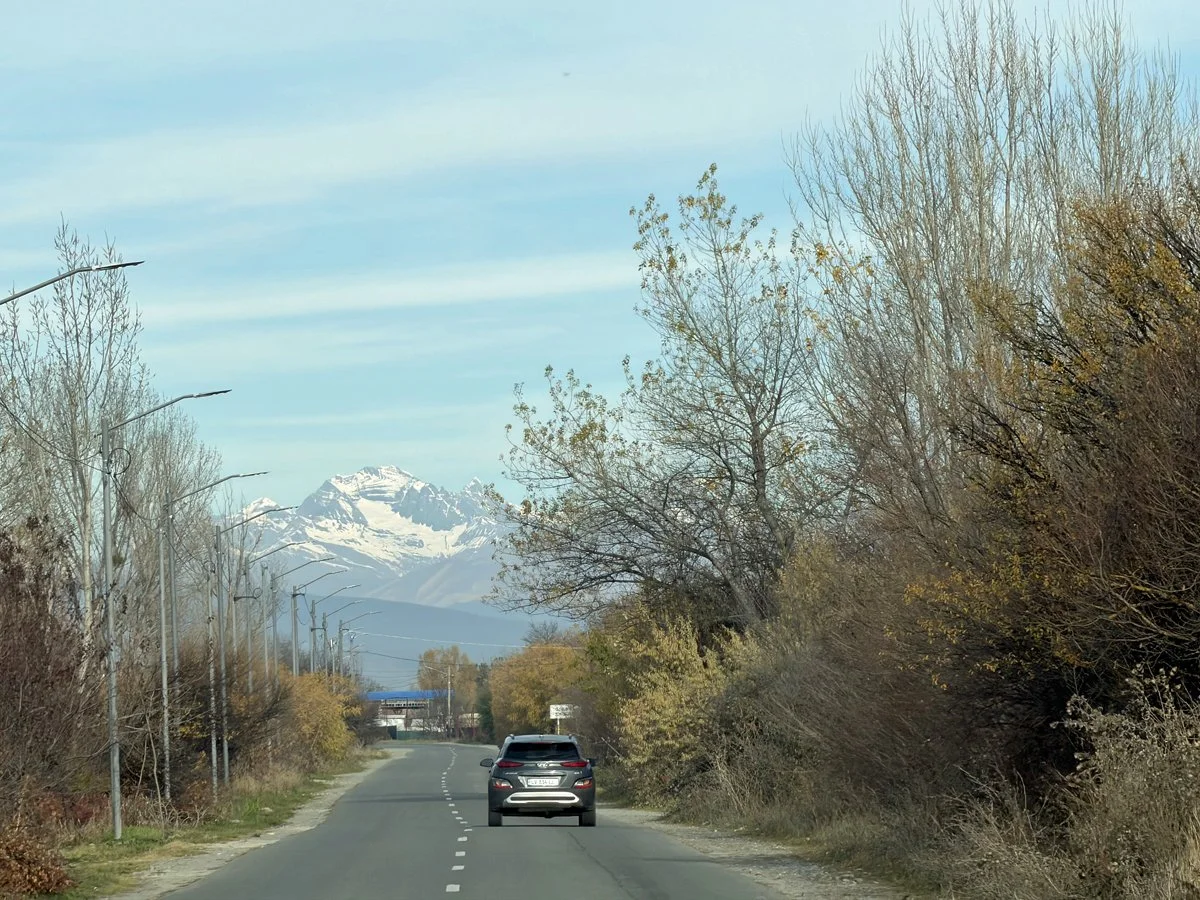
In Gori, I quickly found a taxi and set off toward the border with South Ossetia. The mountains in the distance lay beyond Georgia. I wondered how many tourists would take this route that day.
Nikozi ზემო ნიქოზი
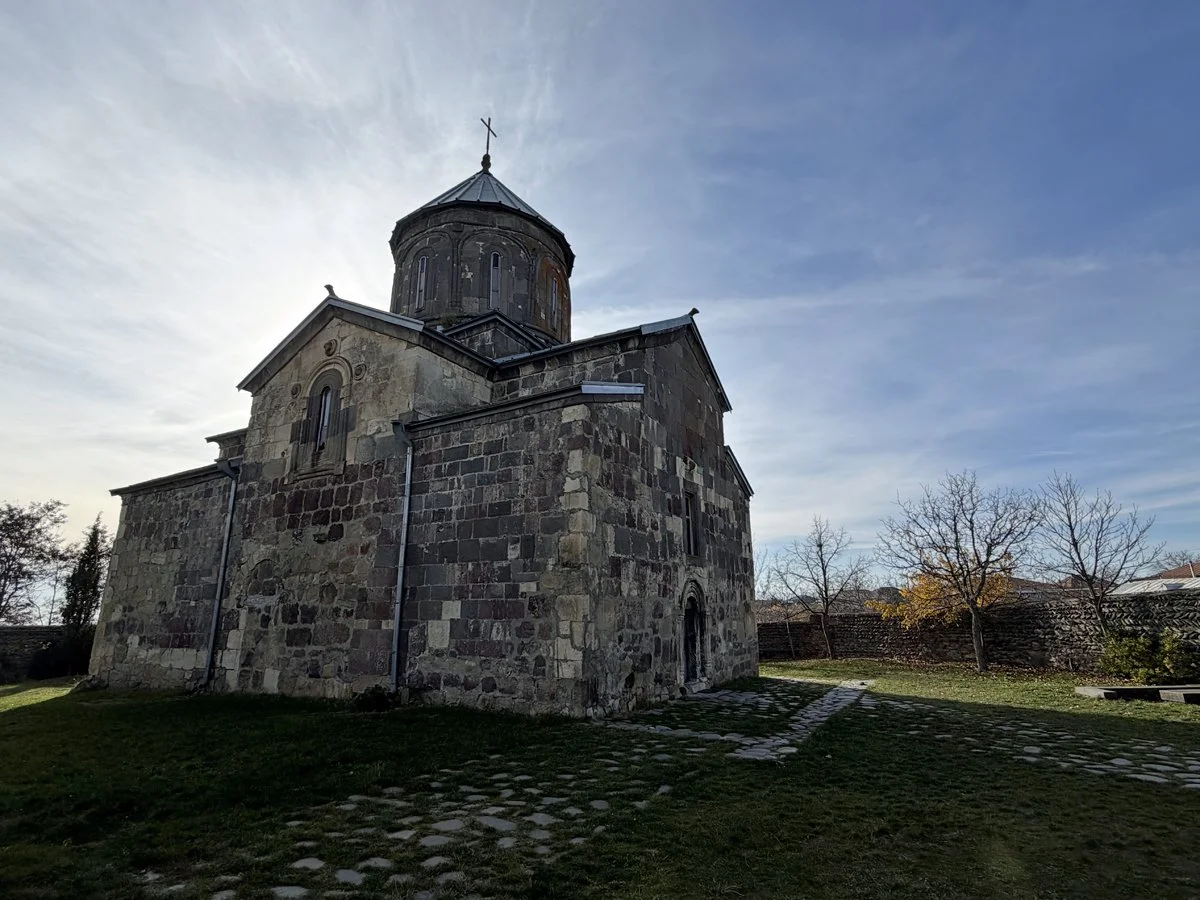
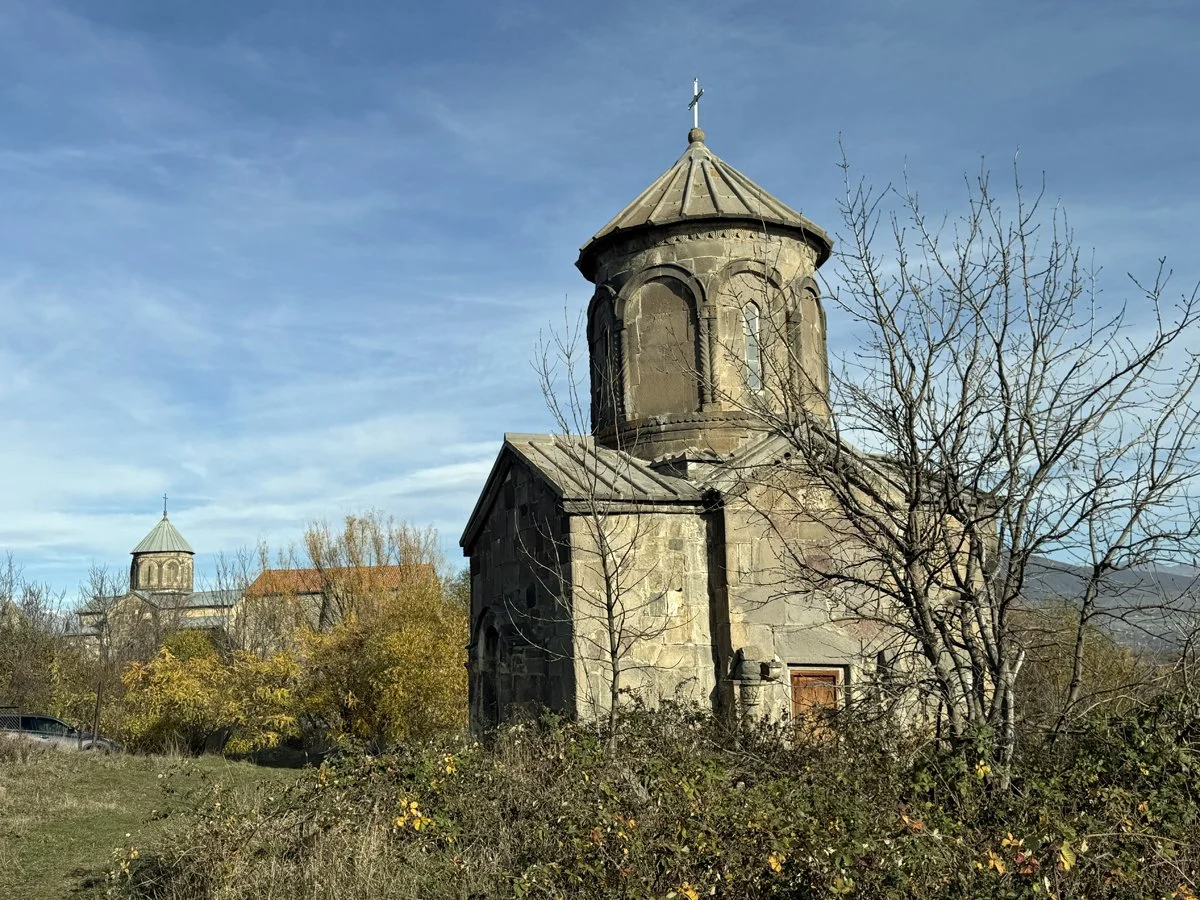
After half an hour, we reached Nikozi. The Zemo Nikozi Church of the Deity was first mentioned in a chronicle dating to around 800, written by the Georgian prince (eristavi) and historian Juansher, which refers to the appointment of a bishop by the 5th-century king Vakhtang Gorgasali. The current building dates largely from the 14th to the 16th centuries, while the tower was constructed in the 16th to 17th centuries.
Zemo Nikozi was the seat of the Bishopric of Nikozi, one of the oldest Christian dioceses in eastern Georgia. The church was of great importance in the 5th–7th centuries.
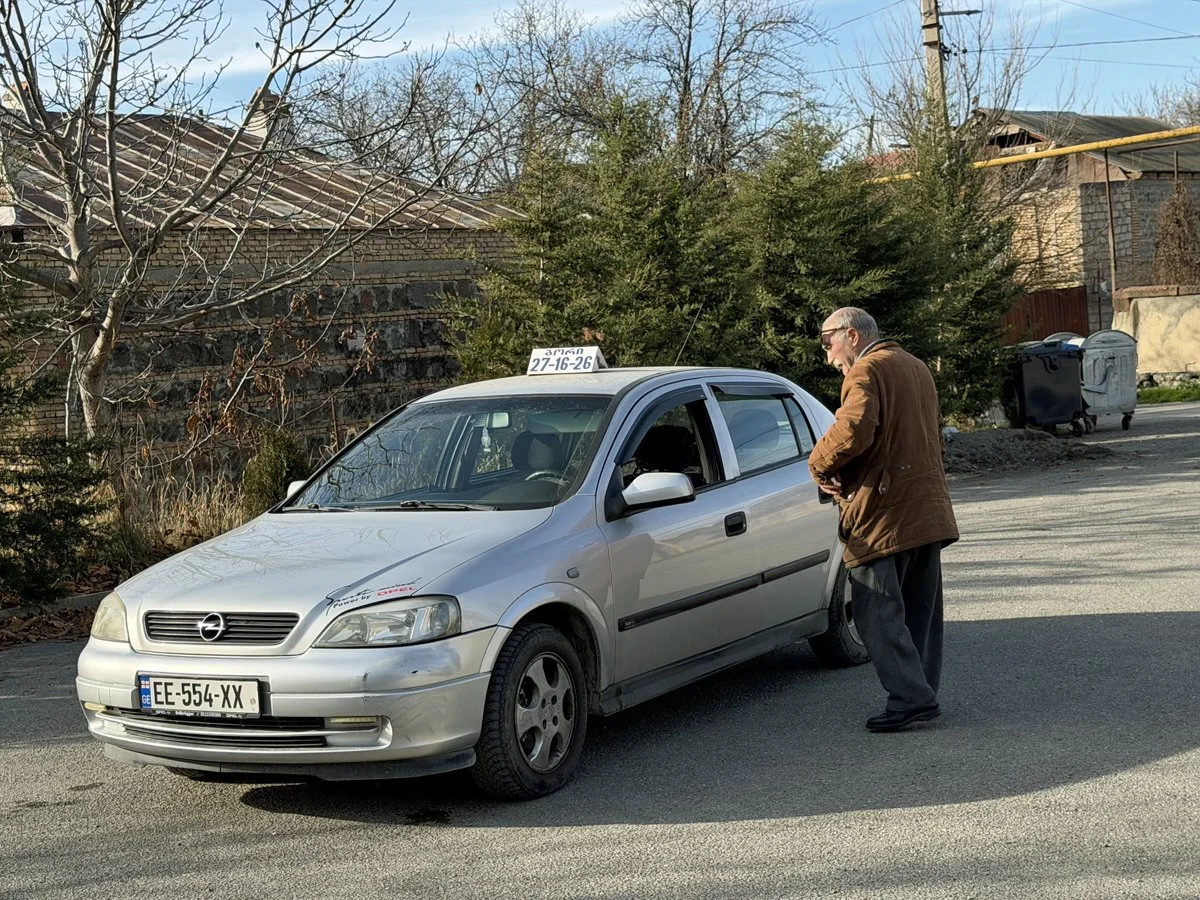
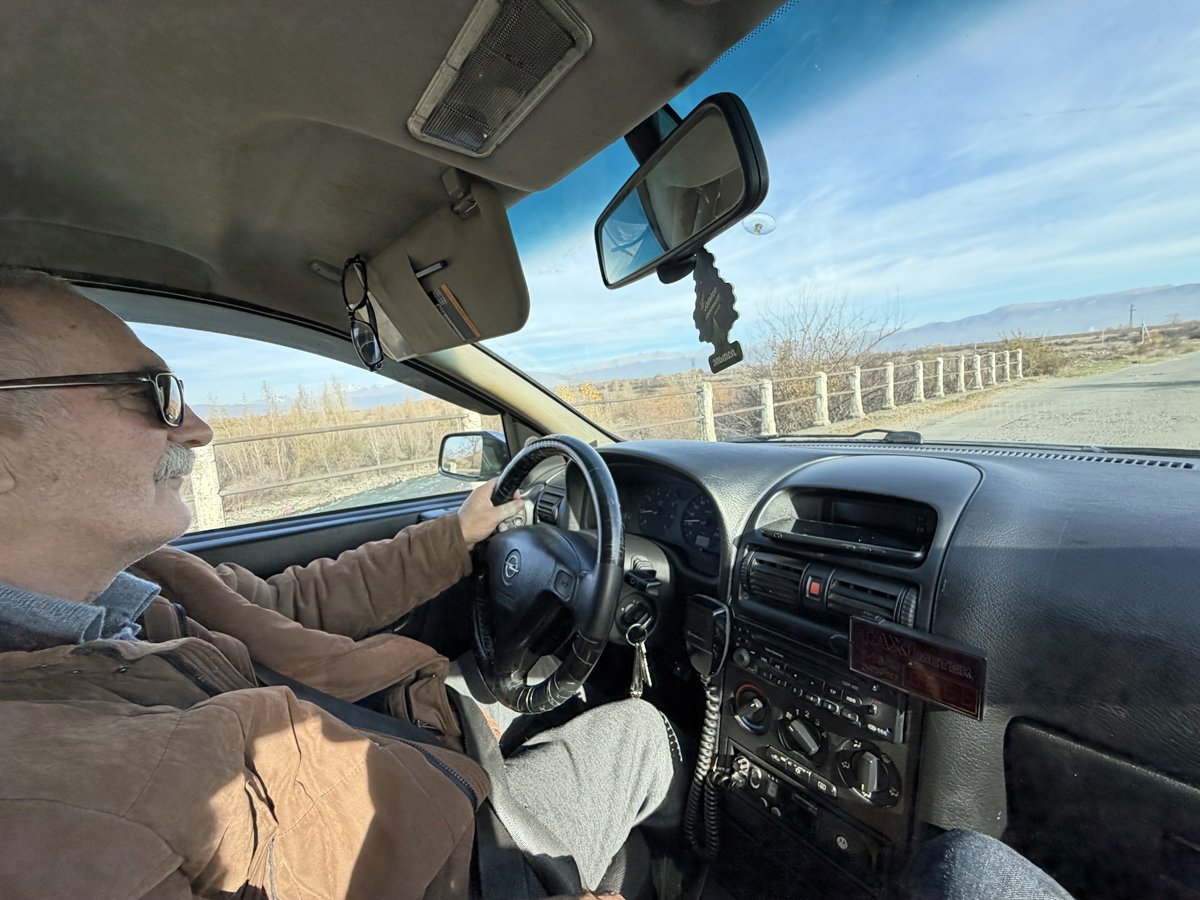
When I needed to negotiate a taxi for the day, there were five cars waiting. More or less at random, I ended up in a turn-of-the-century Opel Astra G—the driver was simply the first to roll down his window. I had estimated the cost at 80 lari; he quoted 60, so I agreed without haggling. The driver didn’t speak any English, but that didn’t bother me—or him.
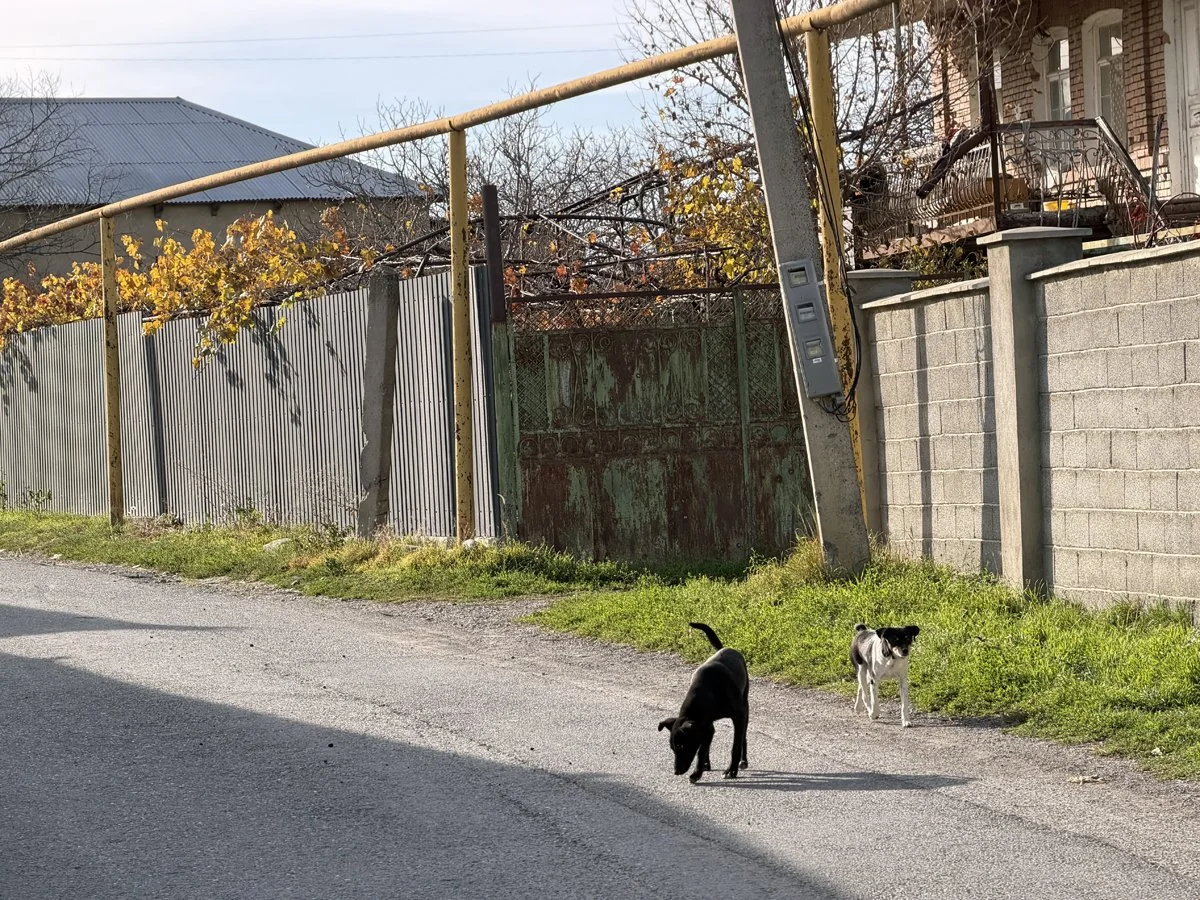
The Zemo Nikozi church of the Archangel is a 10th-century Georgian Orthodox church. It is part of one of Georgia’s oldest Christian settlements and one of the few surviving medieval structures from that period and represents the architectural and ecclesiastical heritage of the time.
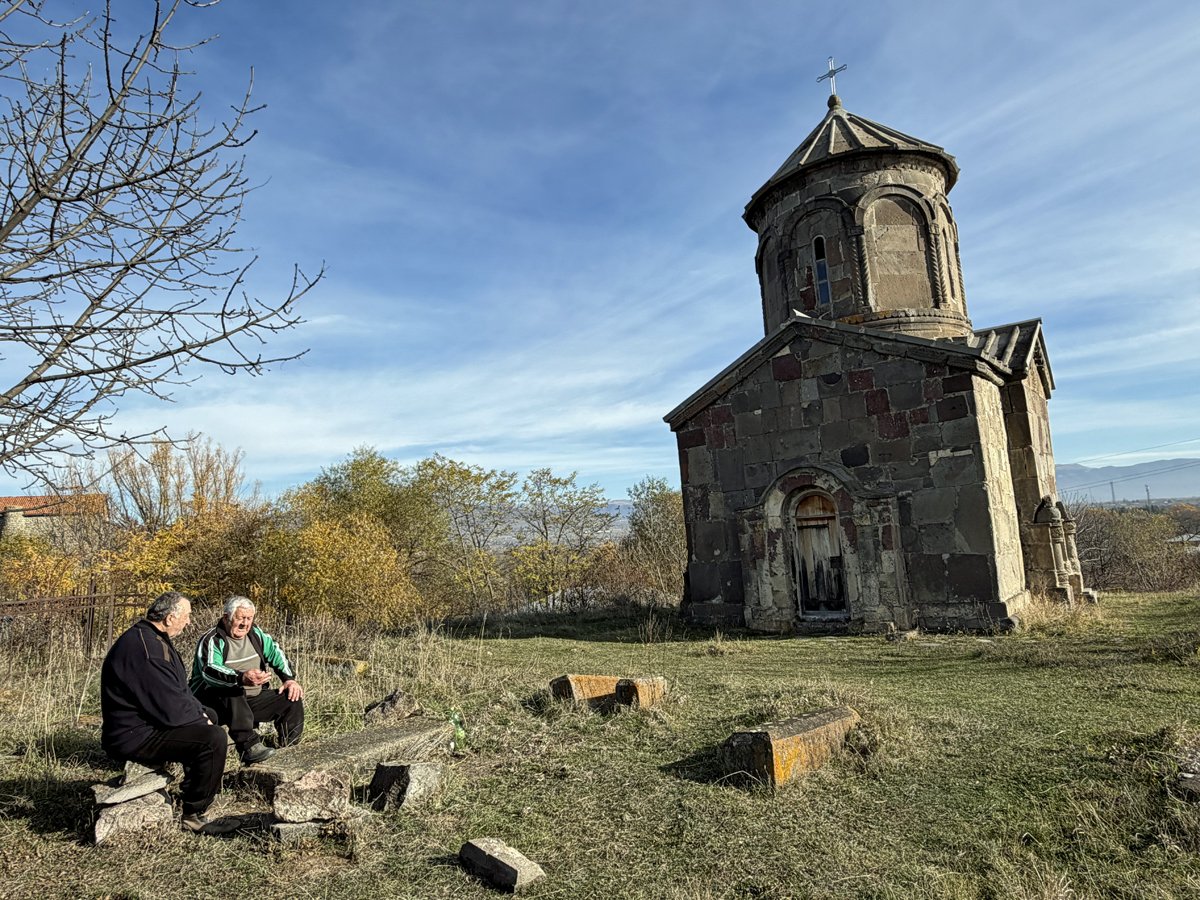
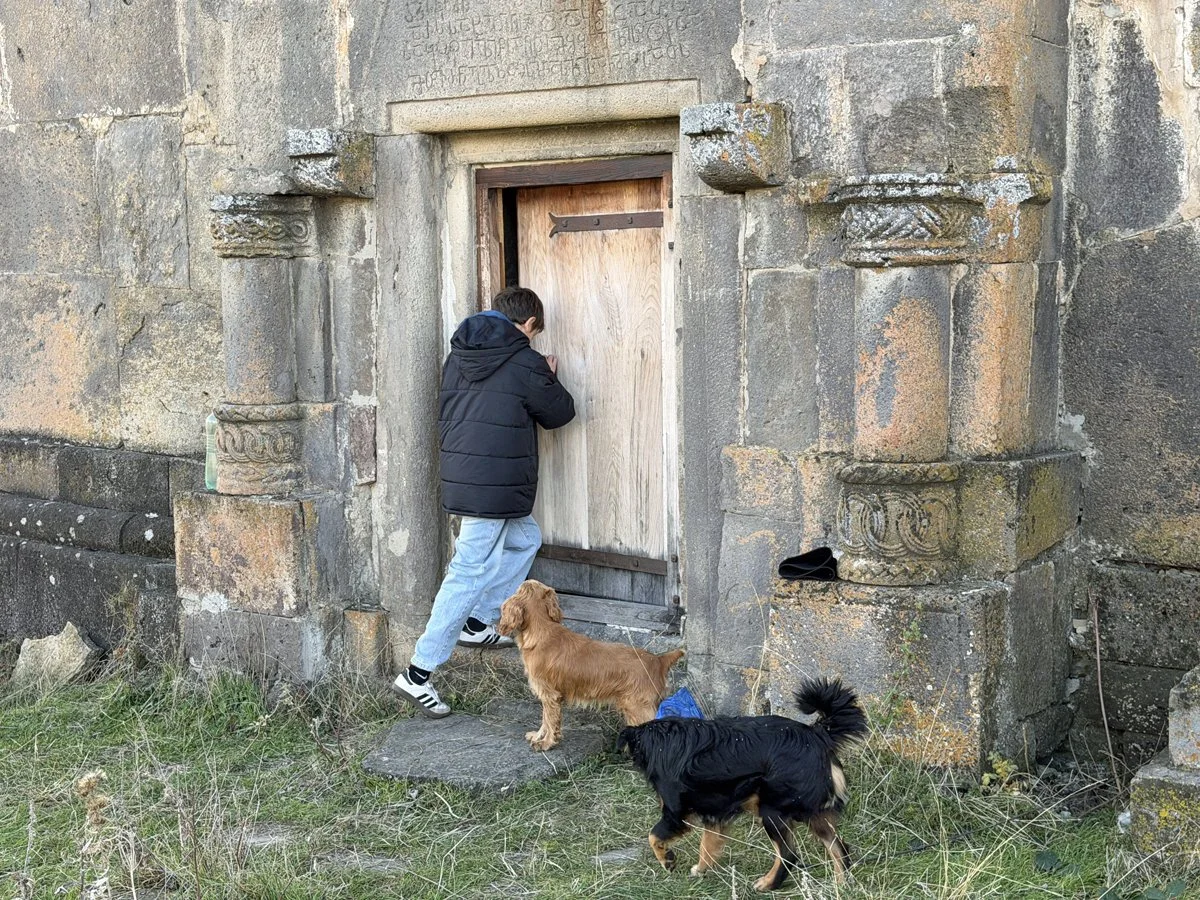
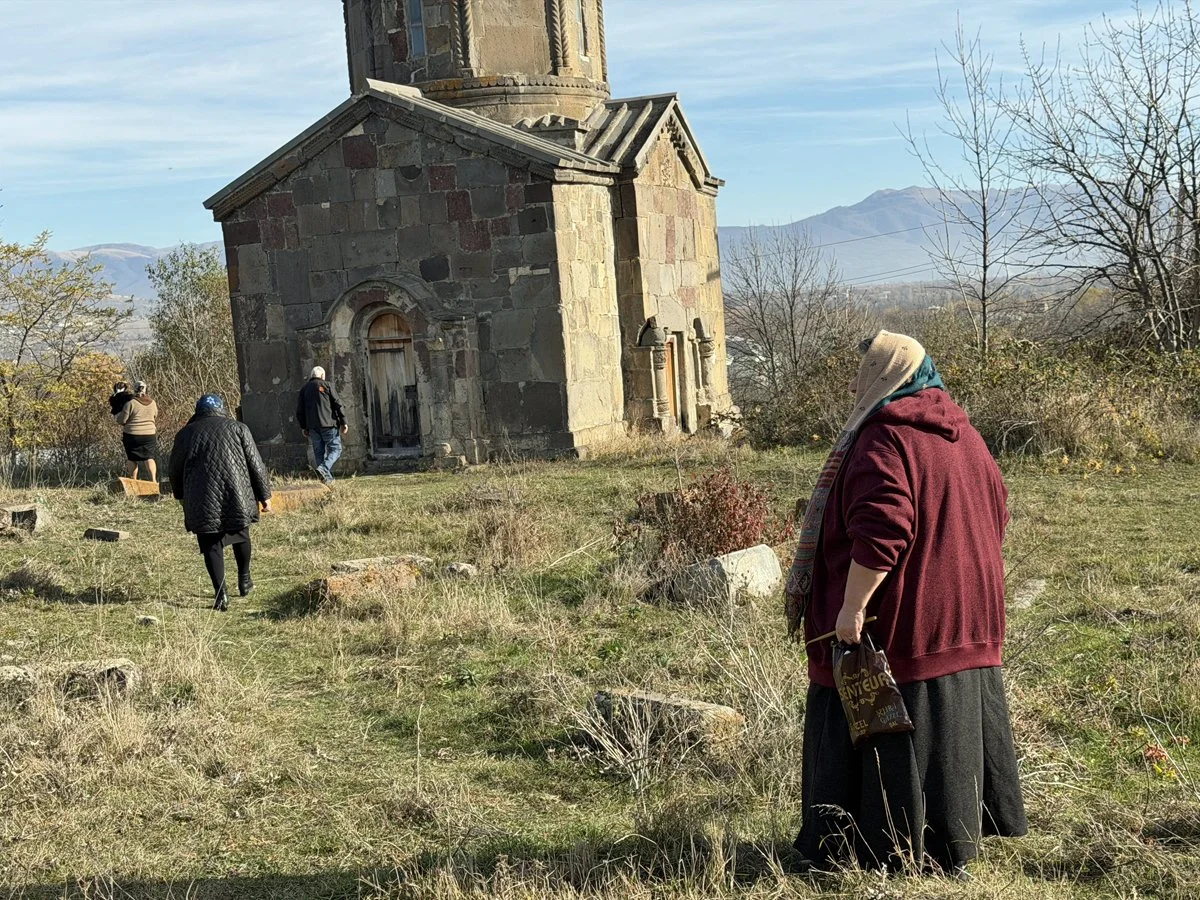
The photo below shows the close proximity of the Zemo Nikozi Church of the Archangel to the Zemo Nikozi Church of the Deity—just a few hundred meters apart. I hadn’t expected to see so many visitors at the church. As far as I could tell, it wasn’t a special Orthodox feast day; the visitors appeared to be regular believers, all local, arriving on foot.
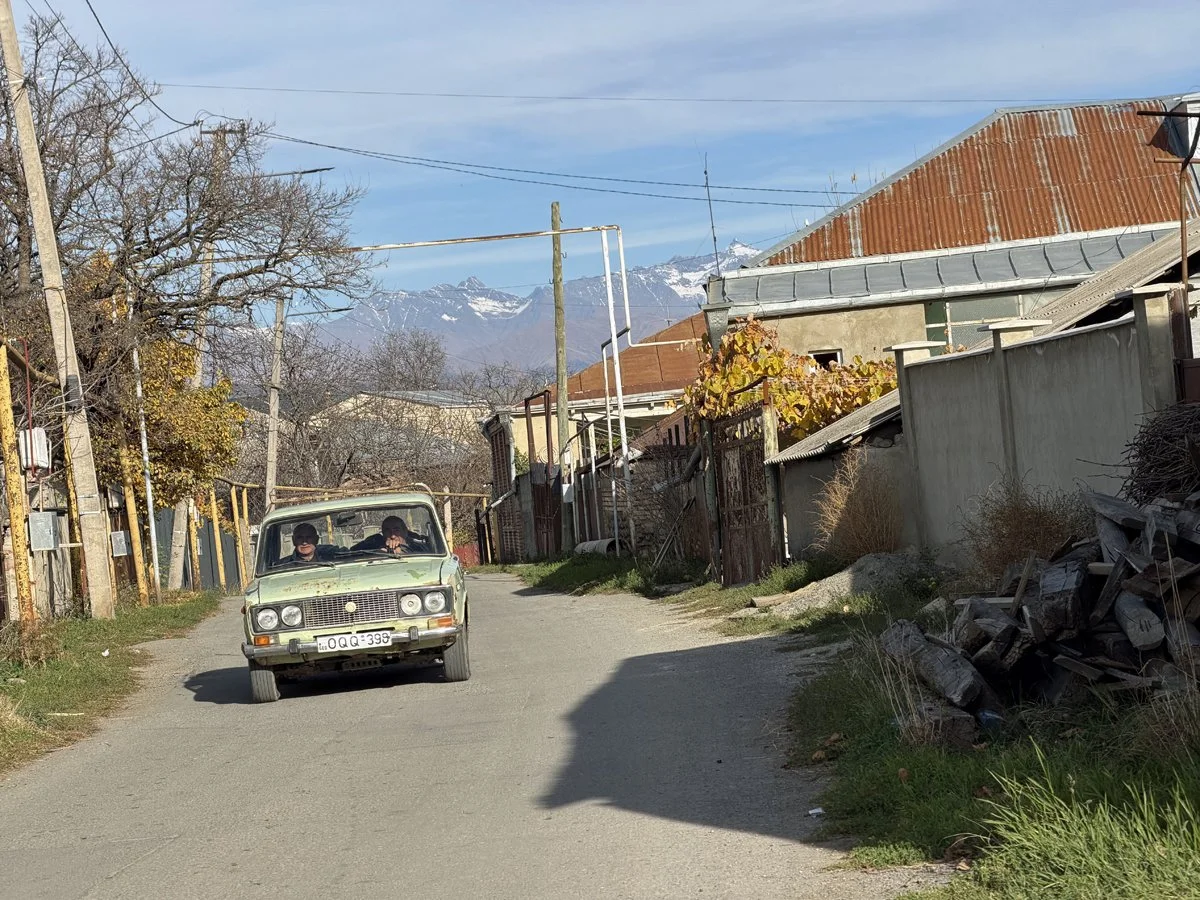
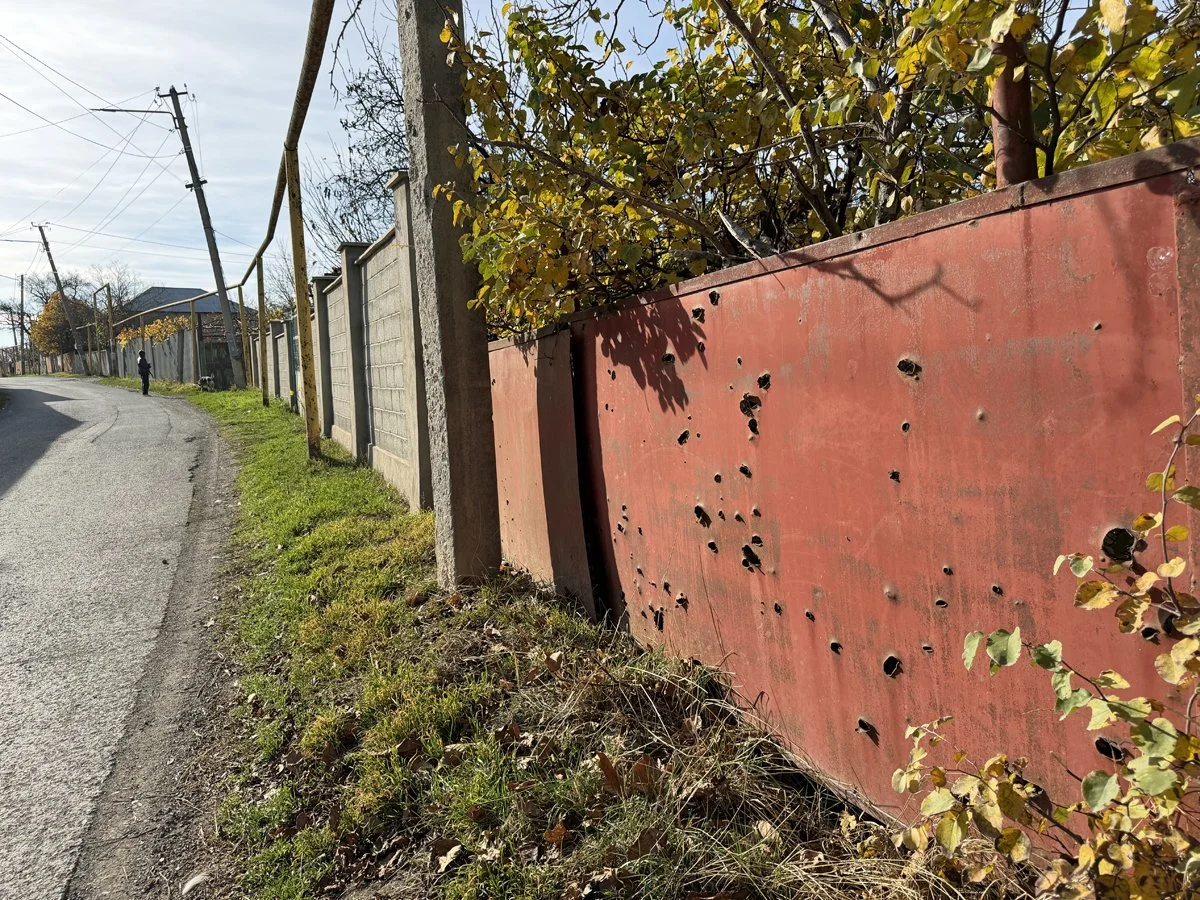
Some fences around the farms were still riddled with shrapnel holes from Russian artillery that exploded in Nikozi in 2008. During the August 2008 Russo-Georgian War, artillery shelling by Russian and South Ossetian forces caused serious damage in and around the village. The Zemo Nikozi Church of the Deity complex was heavily damaged; emergency stabilization and repair work was later carried out with support from the Council of Europe.
The idea that Russia wants peace in the Russo-Ukrainian war is laughable. What Witkoff and Kushner are negotiating is not a peace deal, but at best a business arrangement. If Russia is rewarded for the invasions of 2014 and 2022, the world will be less secure for a generation.
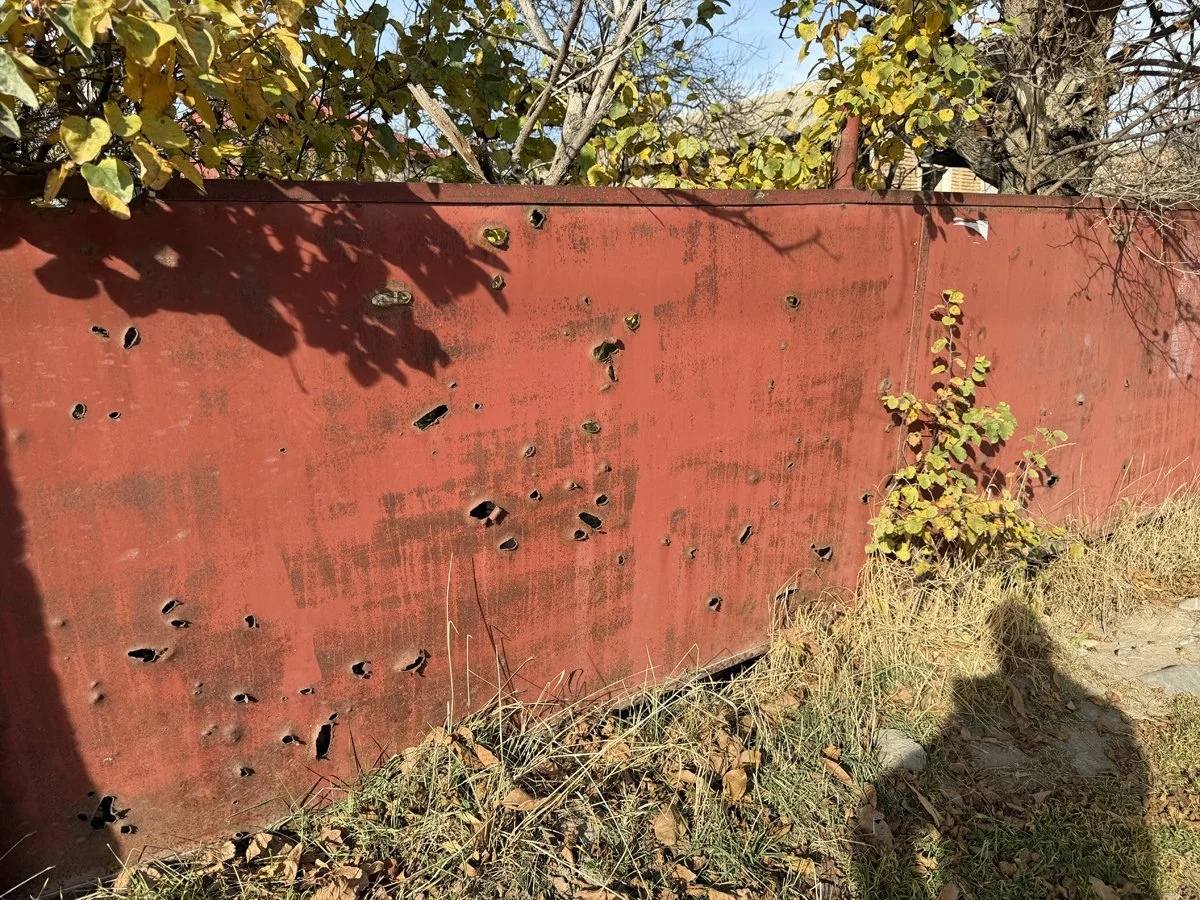
While I was taking photos of the shrapnel-riddled walls, I heard a dull explosion in the distance. I’m no expert, but it sounded like a muffled artillery blast. Russian and South Ossetian forces continue to harass Georgia.
Ergneti ერგნეთი
To get even closer to the border, we drove back to the nearest bridge to cross the river and then headed north. In Ergneti, there was supposed to be a small war museum, which I wanted to see.
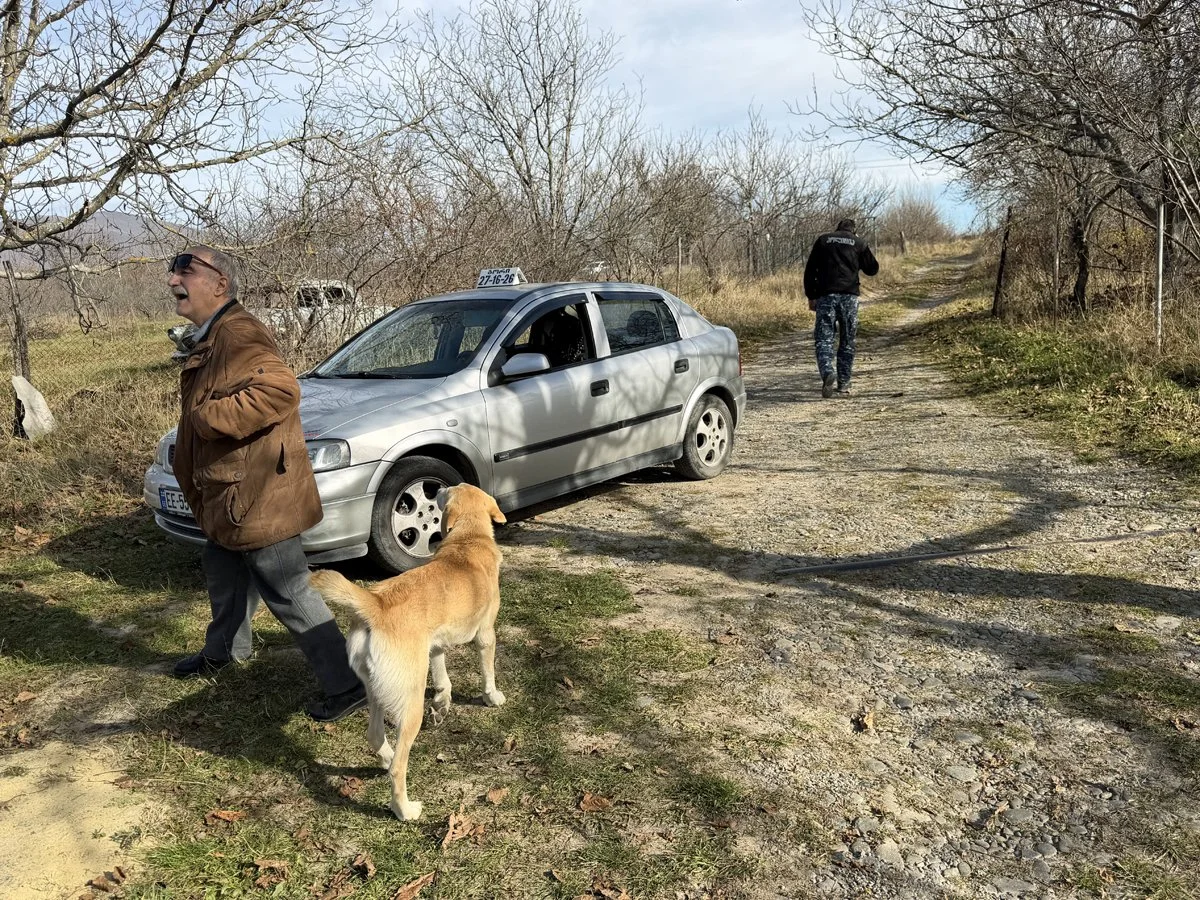
When we arrived, it became clear that my taxi driver hadn’t been here before. He wasn’t sure where the museum was, but a roadblock and several police officers made it clear we were only meters from the actual border. There was some conversation in Georgian between my taxi driver and the police, and a few men were standing in the road. As I approached, I heard: “Het is toch geen Nederlander?”
“Oh God, nee toch,” I replied.
I wasn’t the only tourist that day. I had to show one of the policemen my passport, after which we were allowed to visit the museum, located in the first house next to the border. The lady of the house opened the gate for us.
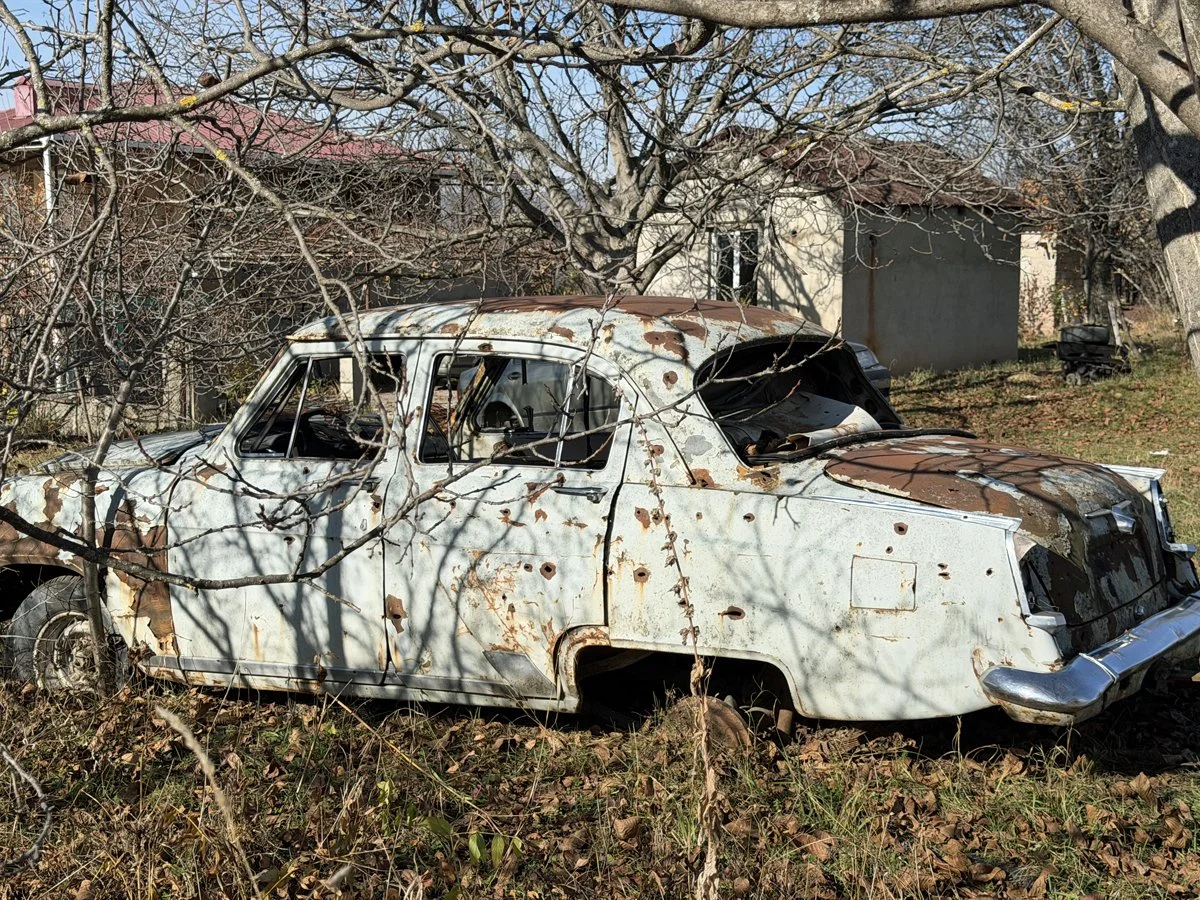
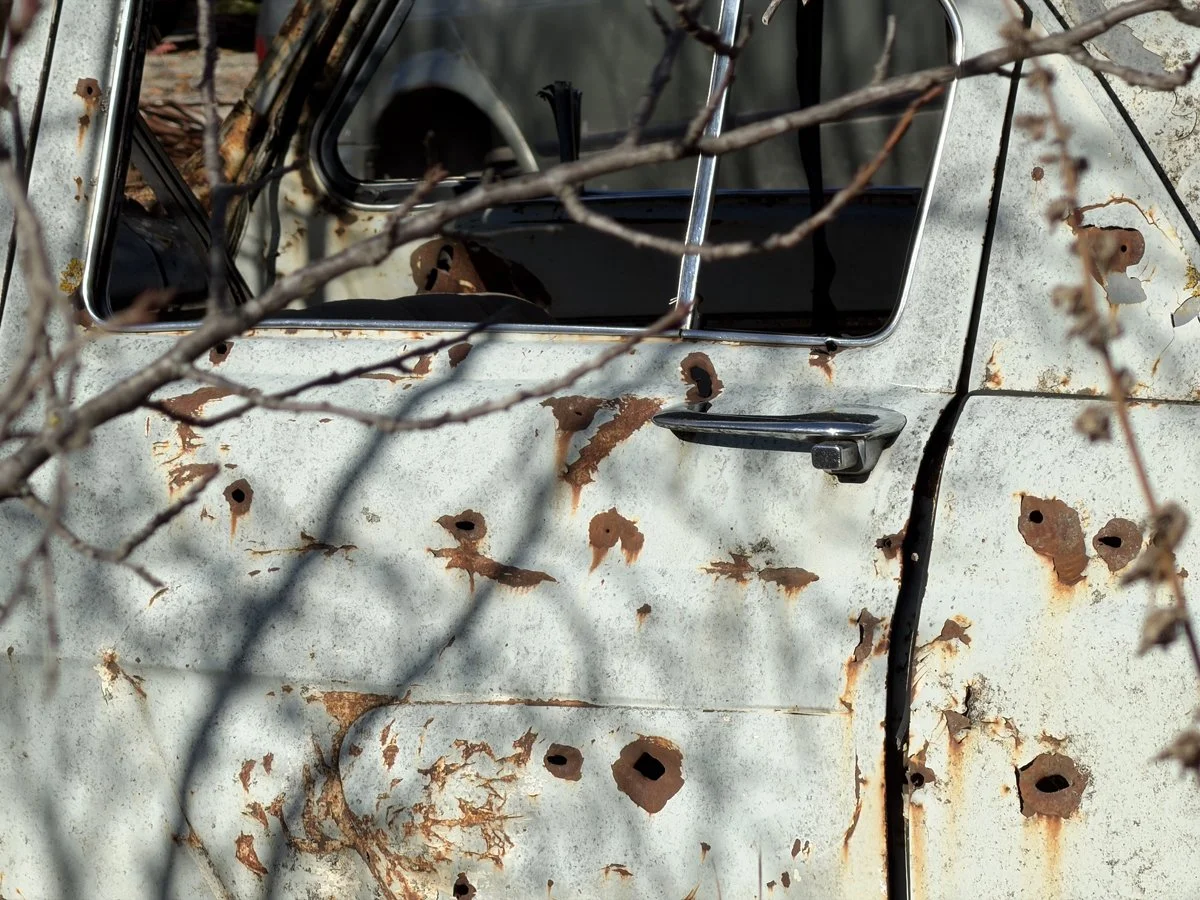
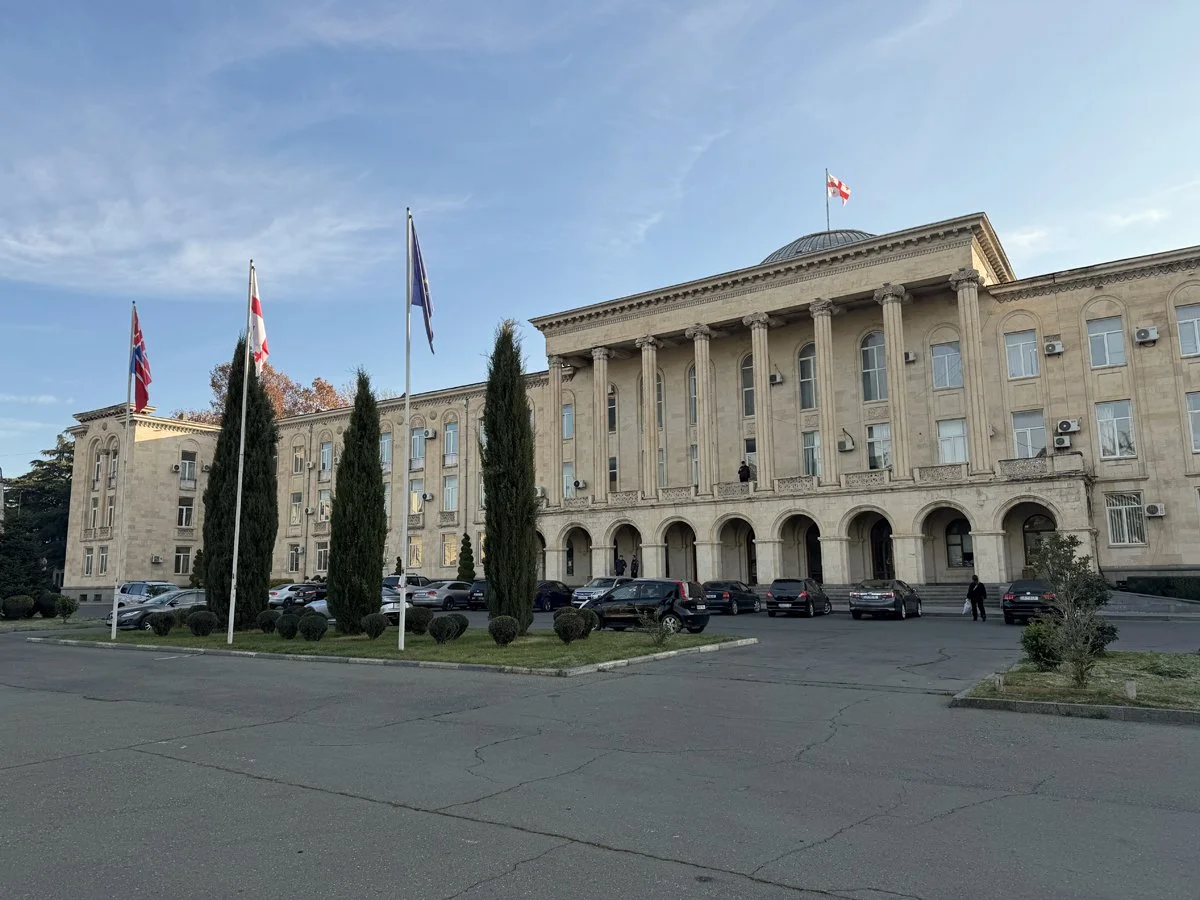
When the woman heard we were Dutch, she immediately mentioned the Dutch journalist and cameraman Stan Storimans. In 2008, he was killed during artillery shelling—not on the front line, but while standing in front of Gori’s city hall when a cluster bomb exploded. Eleven Georgian civilians were also killed in the blast. The cluster munition, consisting of twenty exploding submunitions, was delivered by an SS-26–type missile launched from the Russian Federation. Russia has never signed the Convention on Cluster Munitions (CCM), nor have the United States, China, India, Israel, or Ukraine.
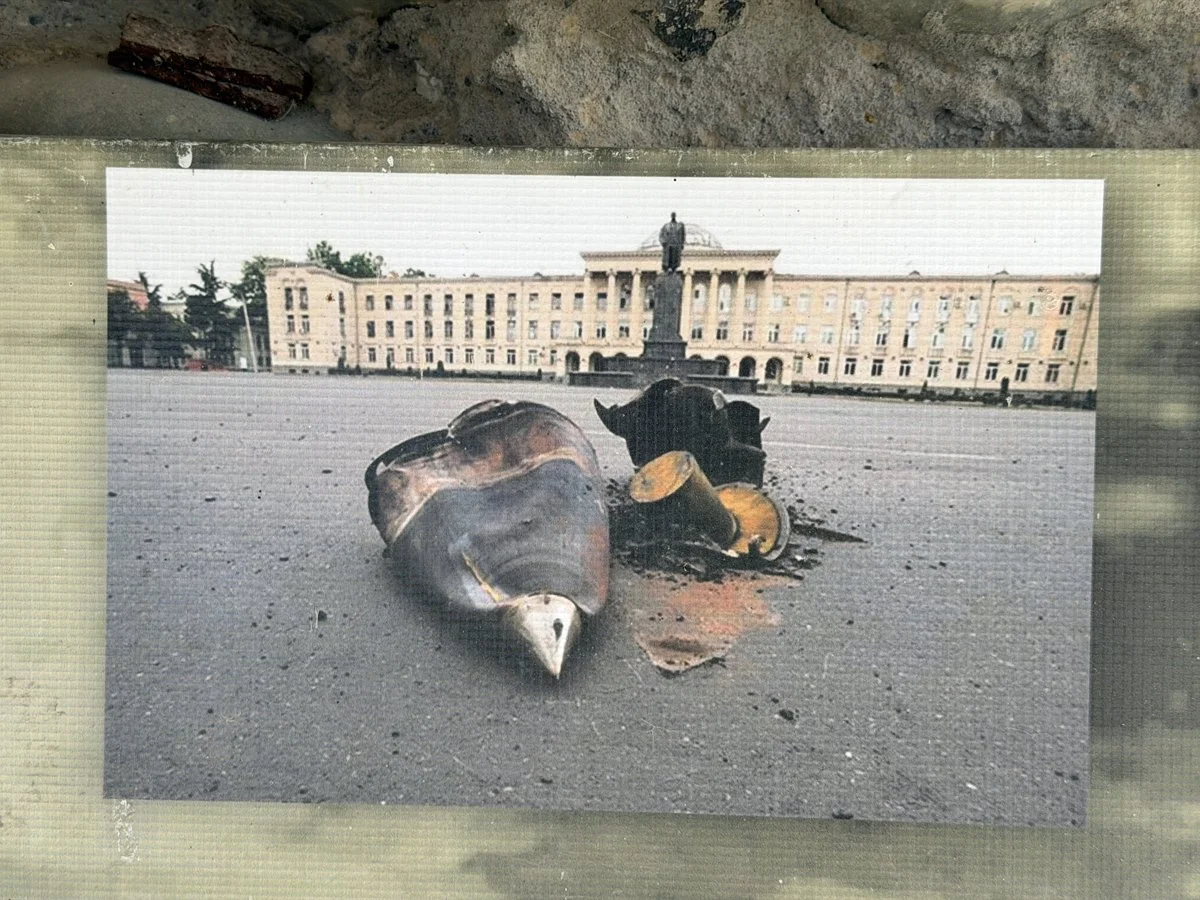
Below Gori’s city hall in 2025.
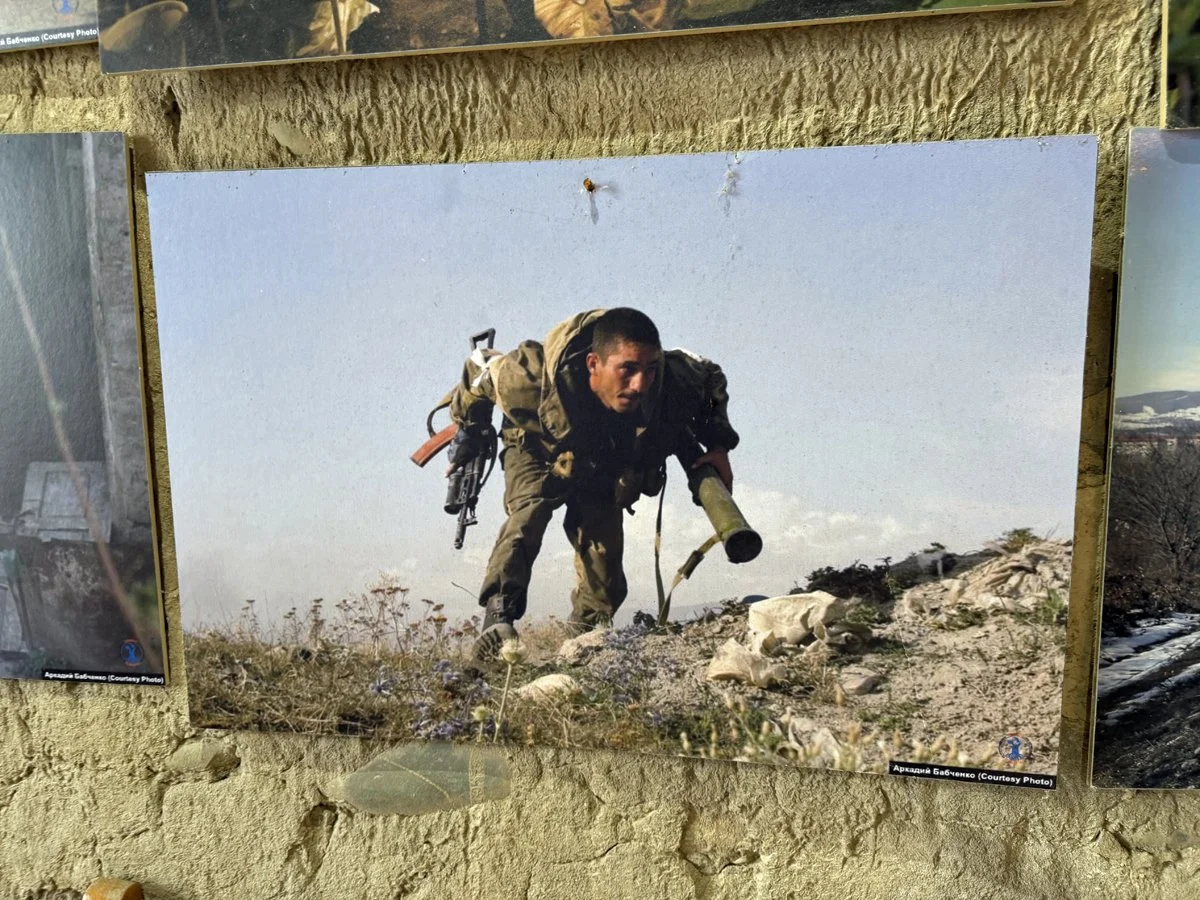
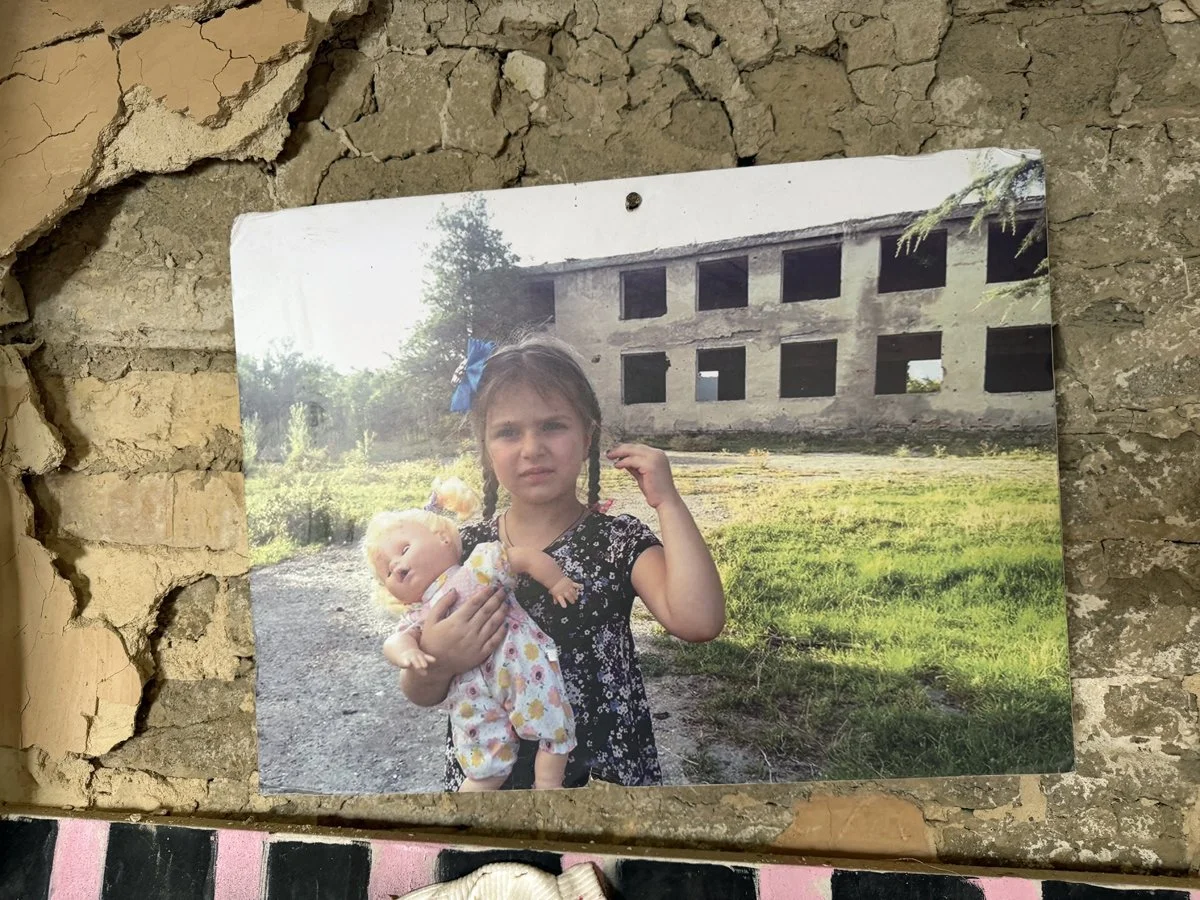
The woman was the owner of the house and ran the museum herself. As I left the war museum, I heard more dull explosions in the distance.
“Rusi?” (Russian) I asked the taxi driver.
“Rusi,” he simply confirmed. Because my taxi driver was so relaxed and never rushed me, I tipped him an extra 20 lari.
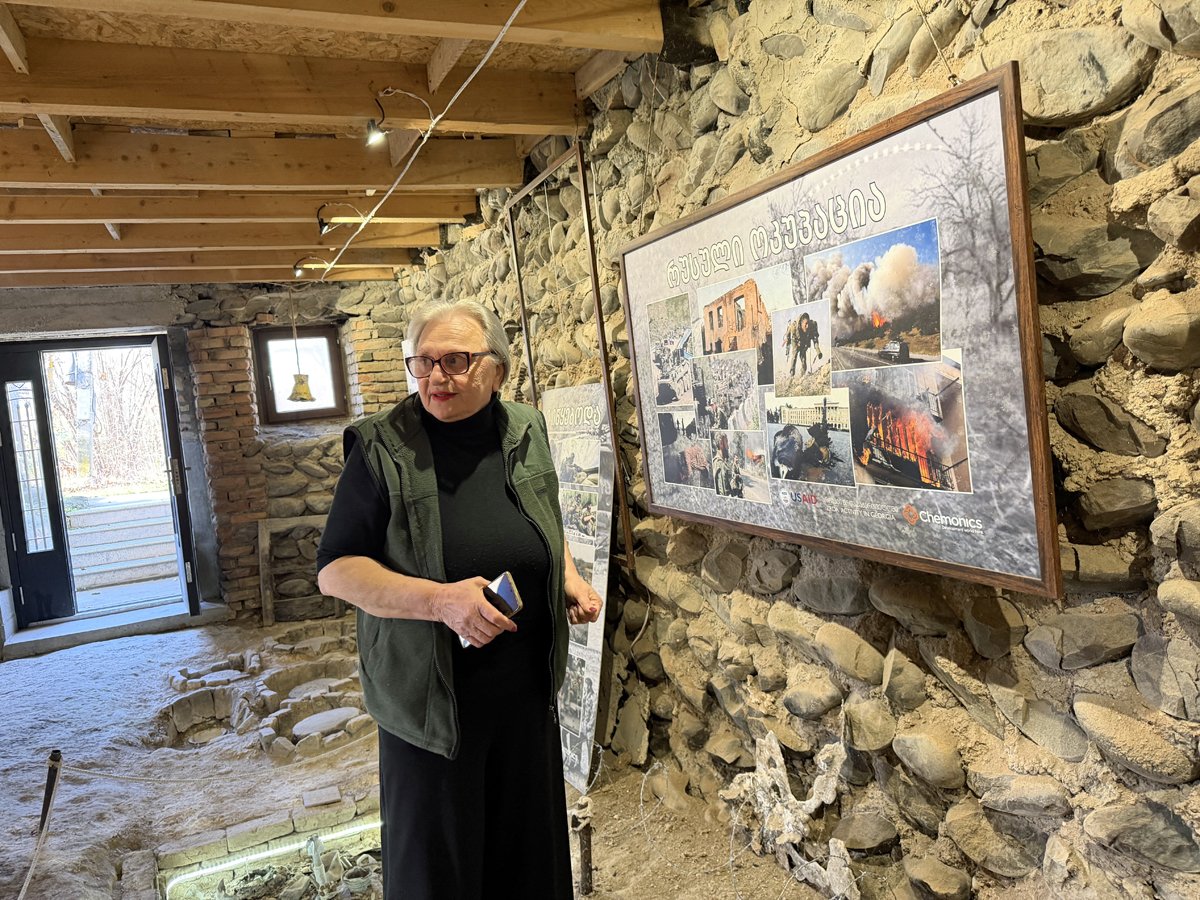
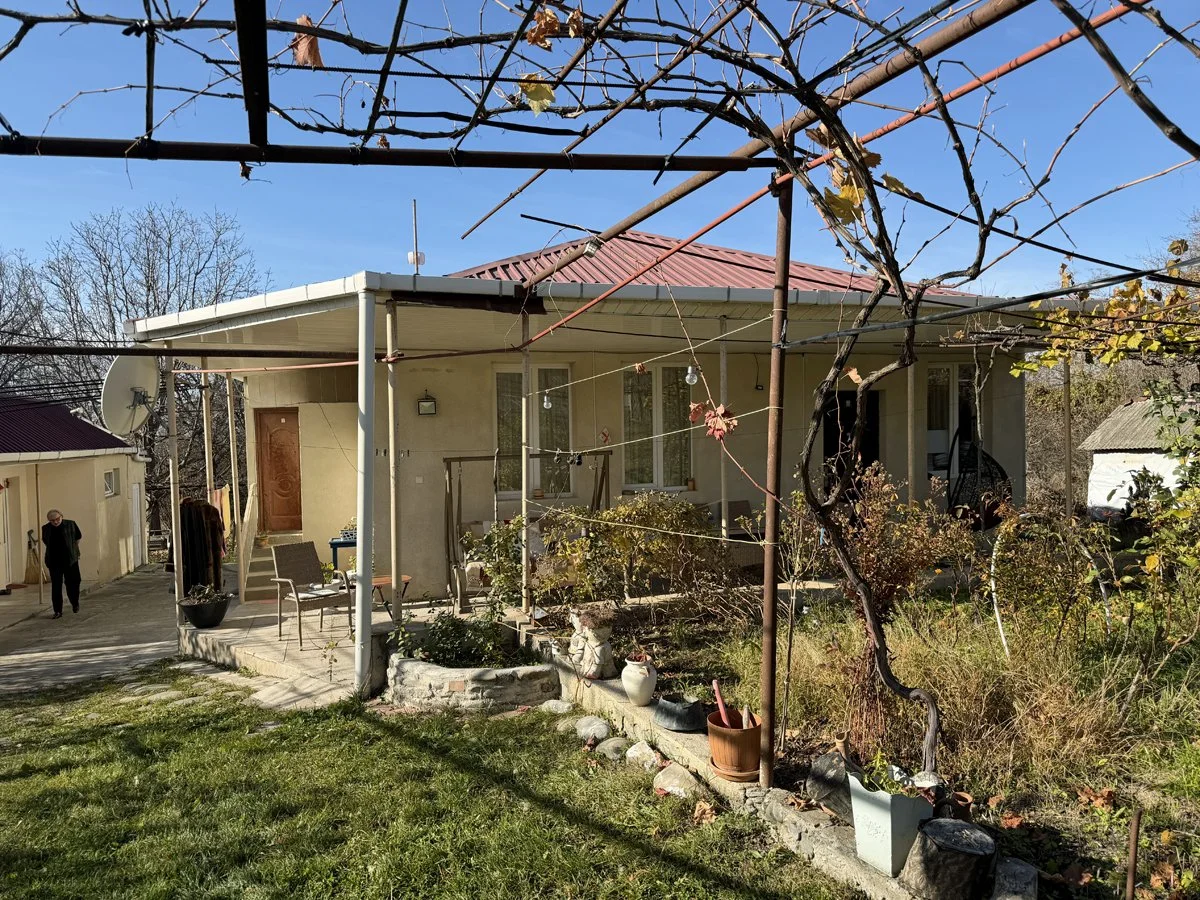
The War Museum.
The Brotherhood
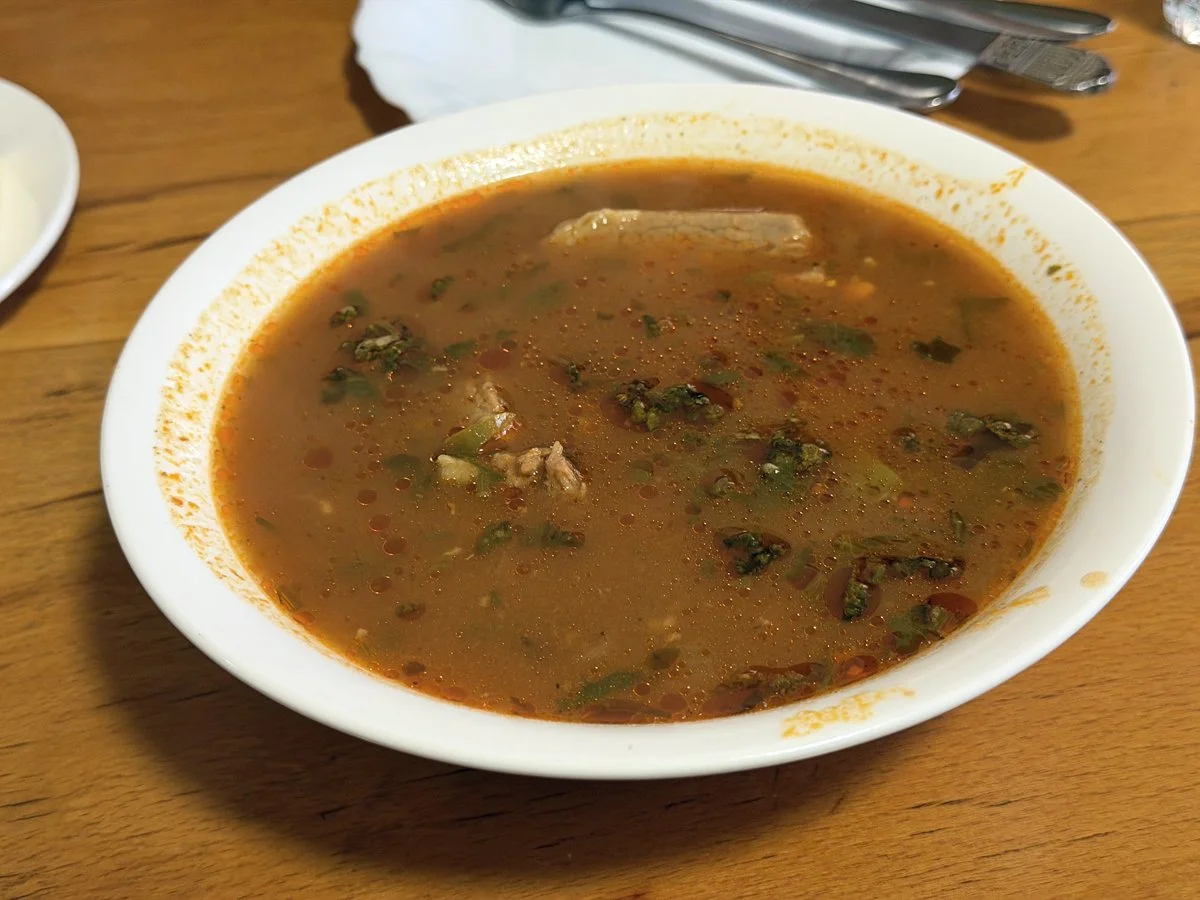
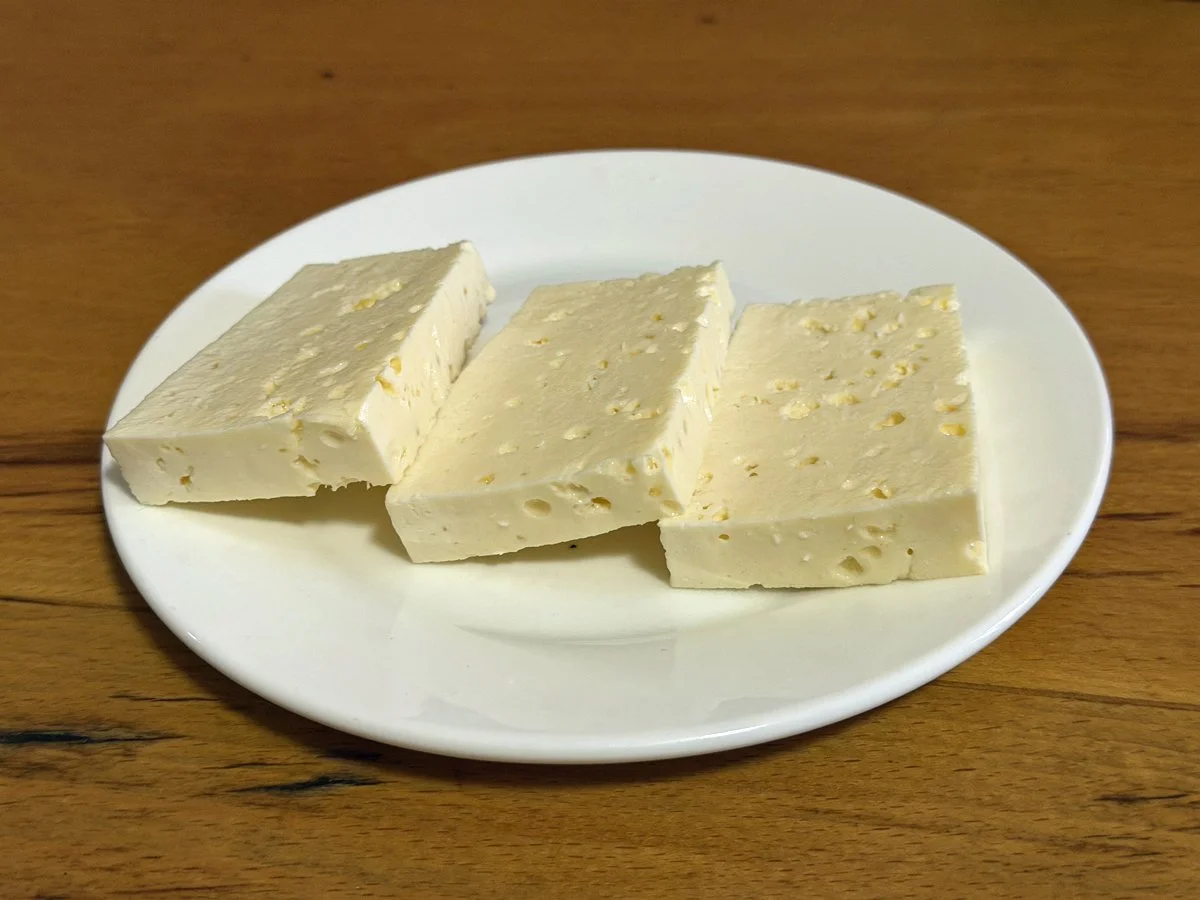
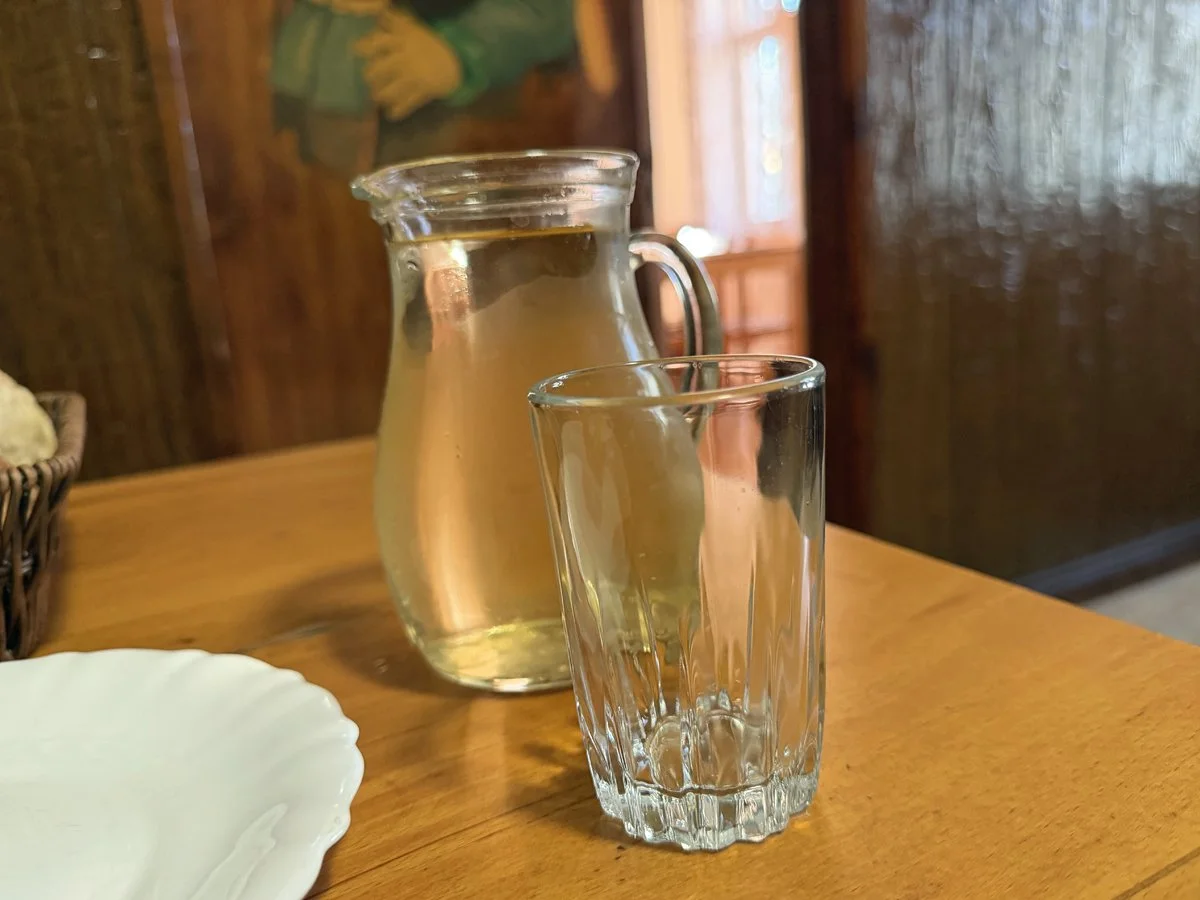
Back in Gori, I had lunch at the Brotherhood again. This time, I ordered kharcho (ხარჩო), made with beef, rice, cherry plum purée, and chopped walnuts. I also ordered some Imeruli (Imeretian) cheese, which I love and can’t find back home in the Netherlands. I emphasized that I wanted just a glass of wine, but they still brought me a full pitcher.
I wondered how Tbilisi has become such a popular tourist destination while part of Georgia remains at war with Russia.
Of course the situation is much more complicated in reality. The South Ossetians are a different ethnic group. They speak Ossetian, an Iranian language (related to Persian, not Georgian or Russian). North Ossetians live in North Ossetia–Alania, a republic within the Russian Federation. The conflict is not simply “Russians vs Georgians”, but involves a real minority population. And then you also have the Abkhazians living in Abkhazia, the disputed region on the northeastern coast of the Black Sea. Georgia considers Abkhazia as part of Georgia.
Last post: Turtle Lake