Bilbao and the Guggenheim
I had waited too long to book a hotel for my last night. The cheapest regular hotel room I could find was well over €150, far beyond my budget. There were plenty of hostel dormitories for around €30, but I hadn’t brought pajamas and I wanted privacy. Then I found a capsule hotel for €55 — exactly within my budget.
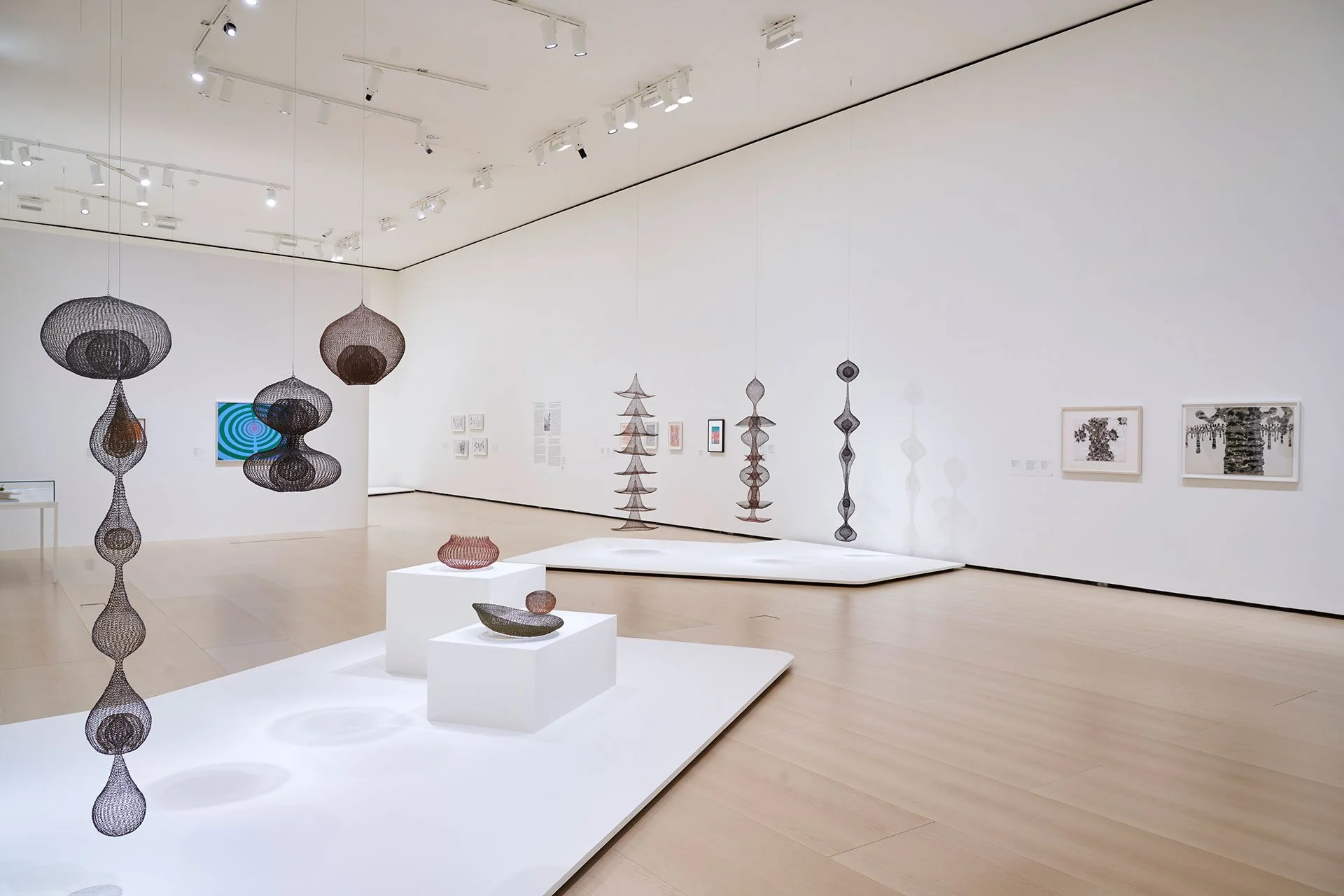
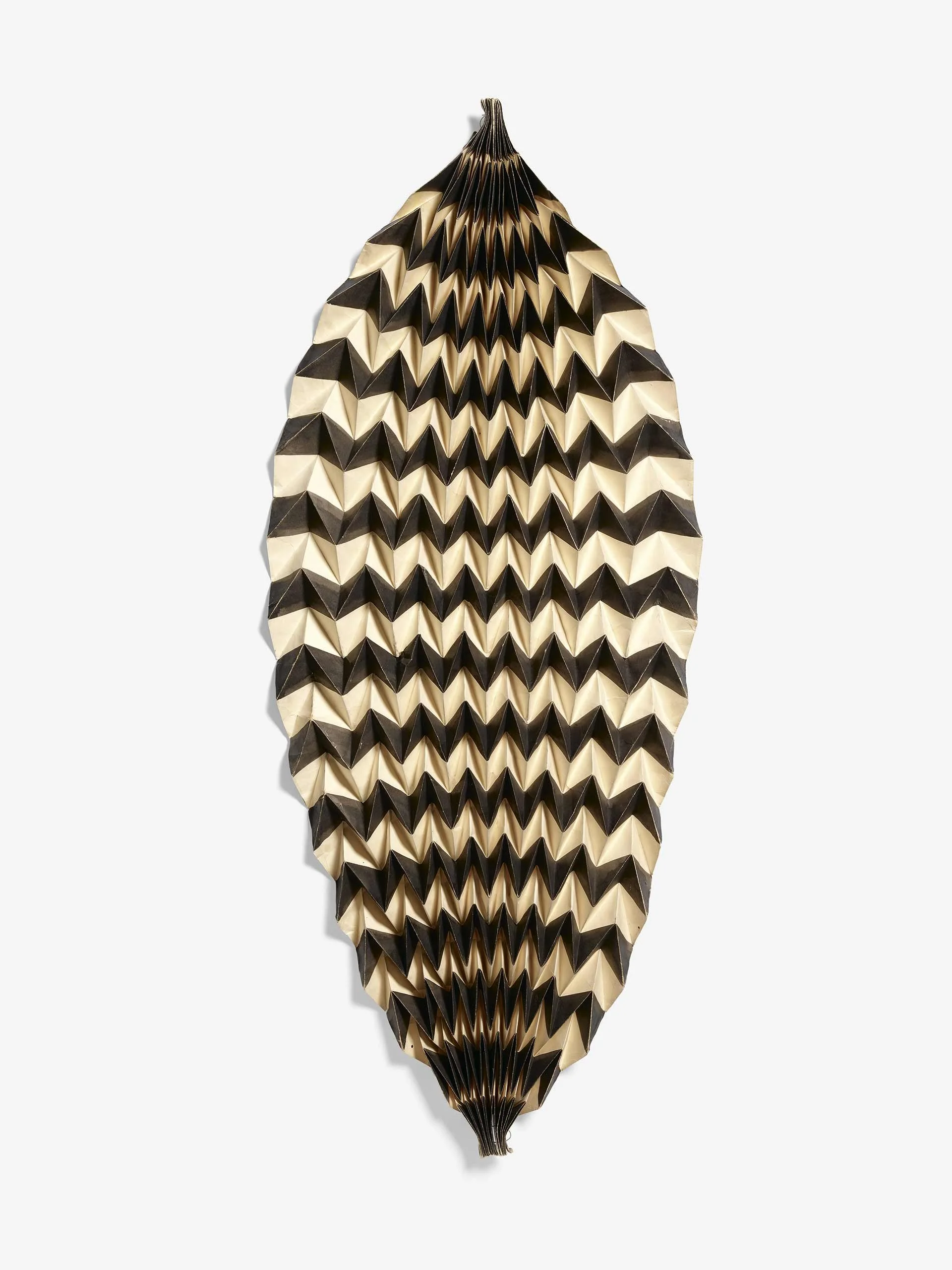
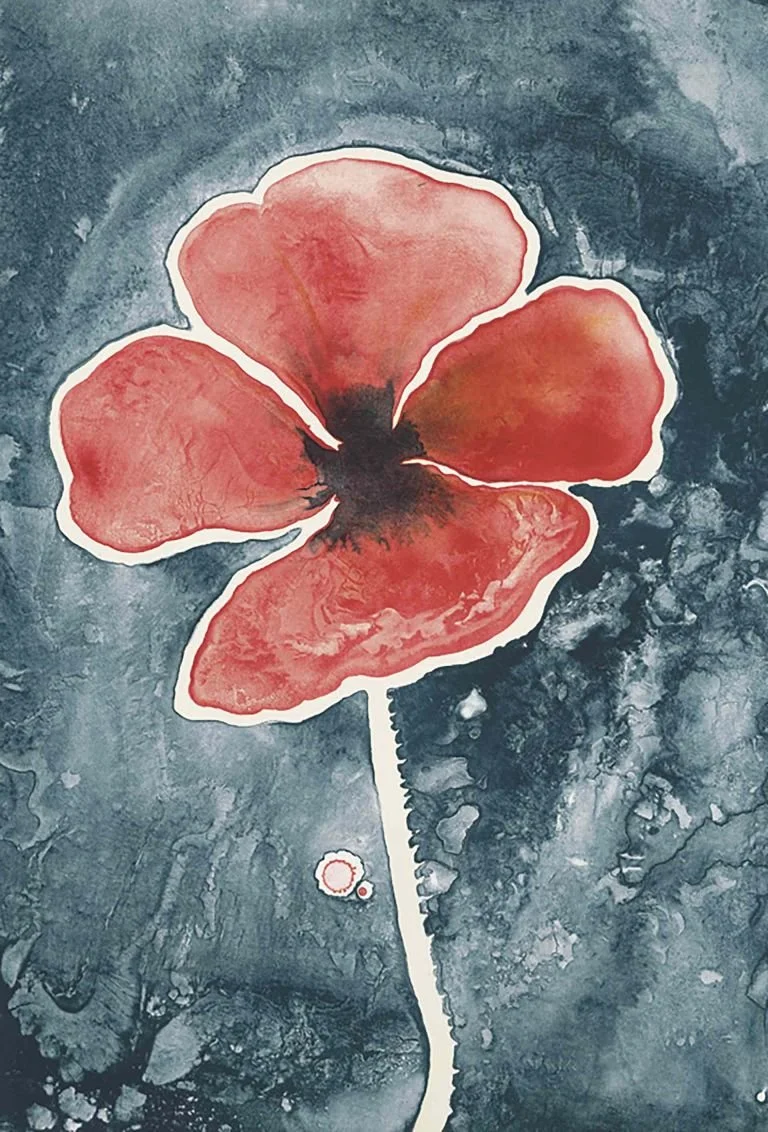
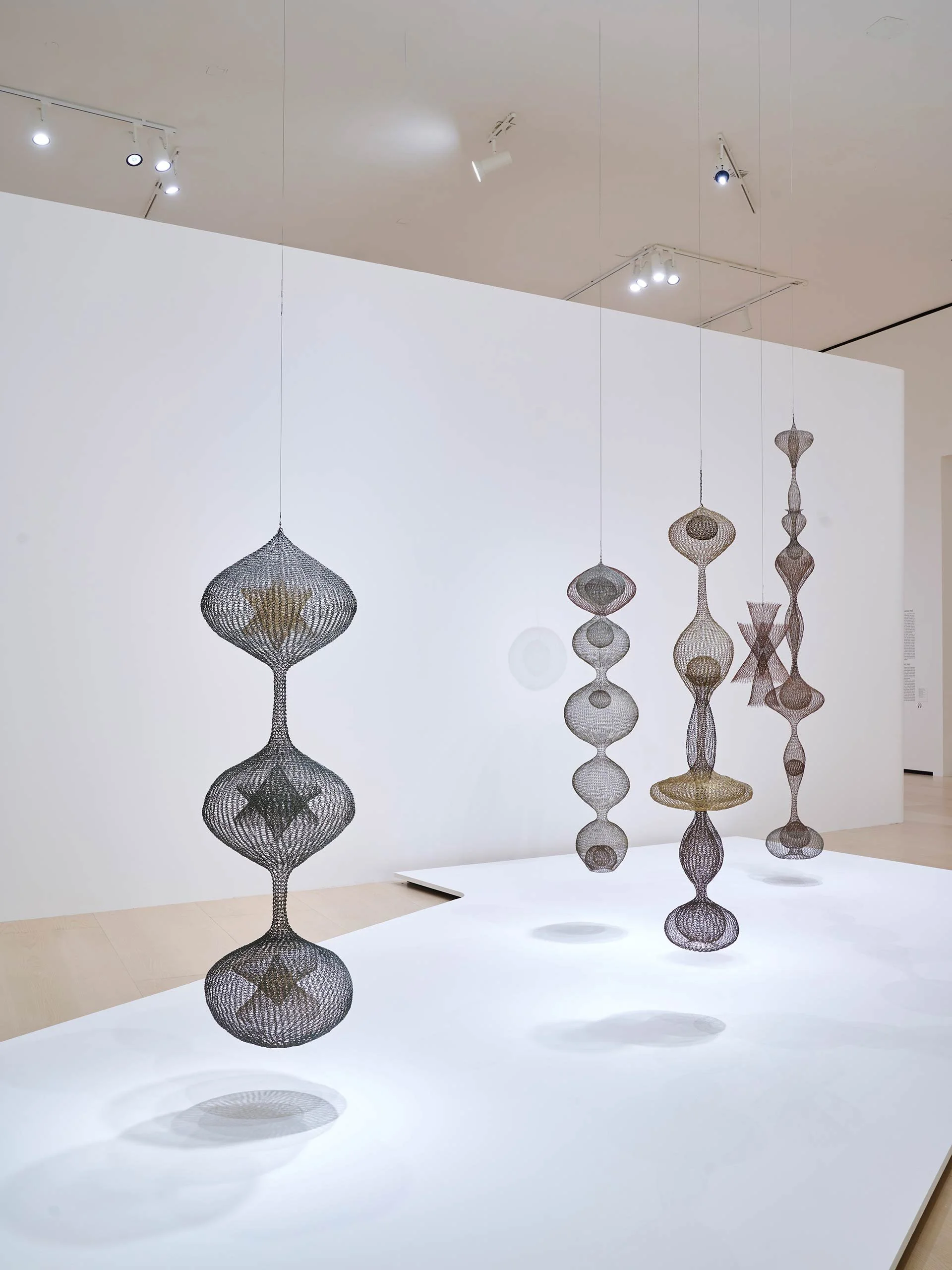
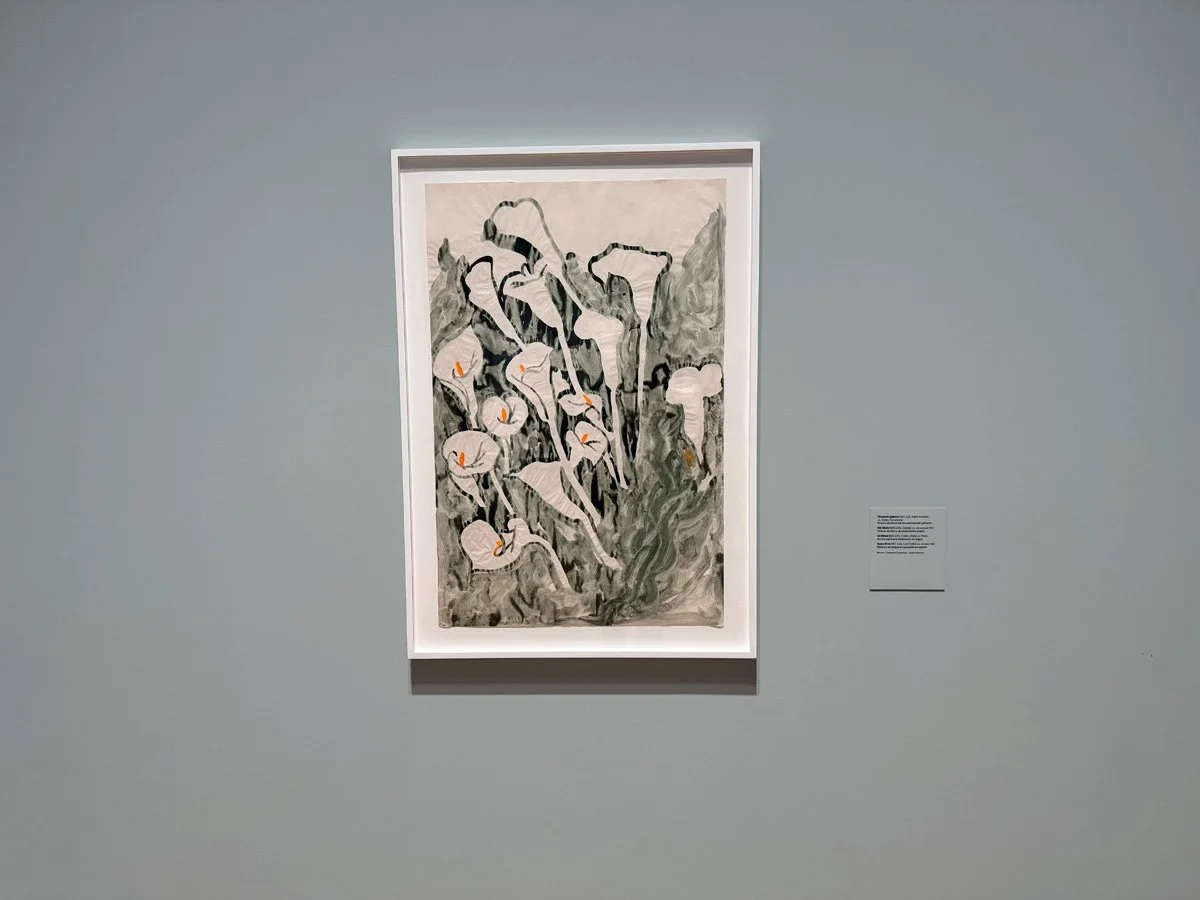
I arrived early in Bilbao by bus from San Sebastián, stored my bag, and headed straight to the Guggenheim Museum. I had noticed there was a retrospective of the American artist Ruth Asawa. Admittedly, I had never heard of her before, but I immediately liked what I saw.
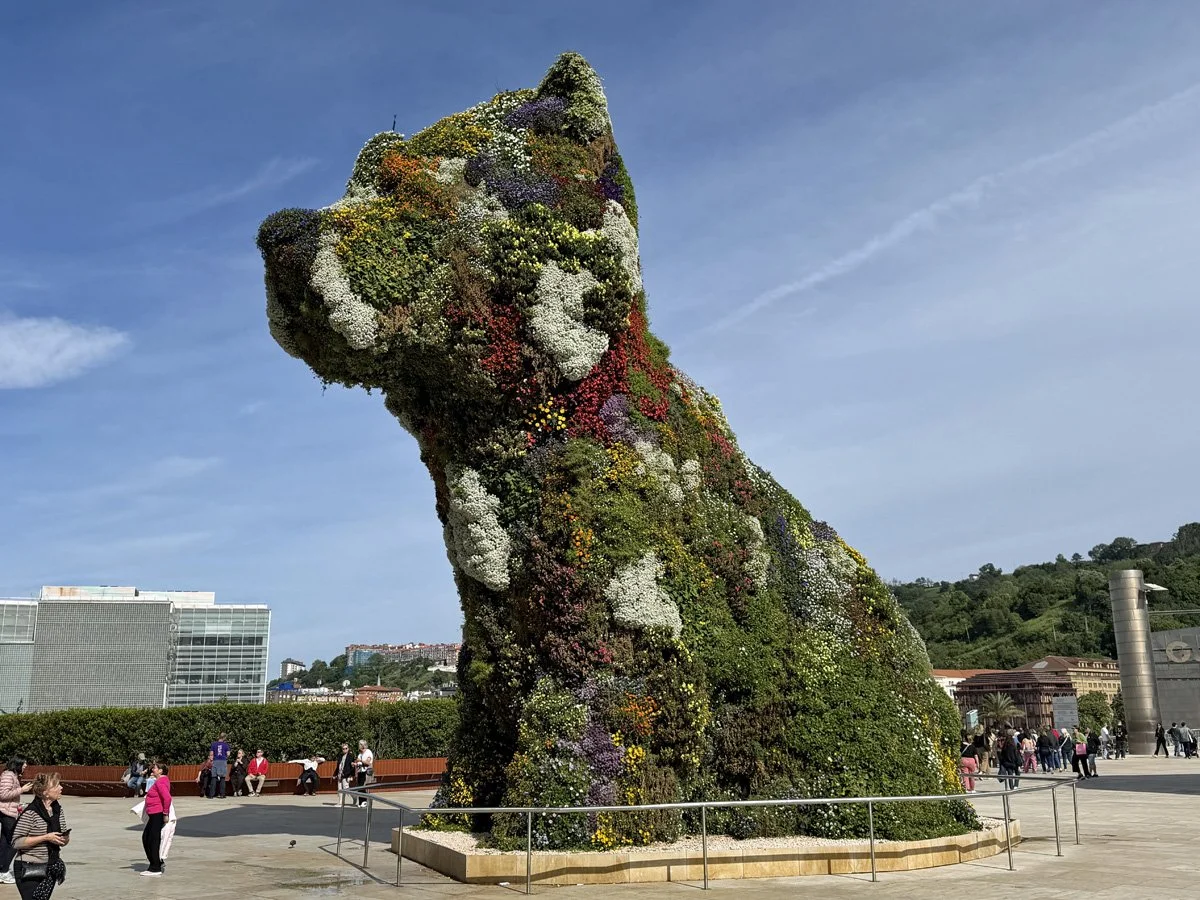
I am not the biggest fan of Jeff Koons, but this was the best-smelling dog I had ever seen. His giant Puppy (1992 — stainless steel, soil, and flowering plants; 1240 × 1240 × 820 cm) was acquired by the Guggenheim Museum Bilbao in 1997.
The sculpture was almost blown up during the museum’s opening period. Spanish police officers spotted a suspicious van parked on a side street near the museum. Three ETA members, disguised as gardeners, were allegedly trying to install flower pots containing twelve grenades that were set to explode by remote control.
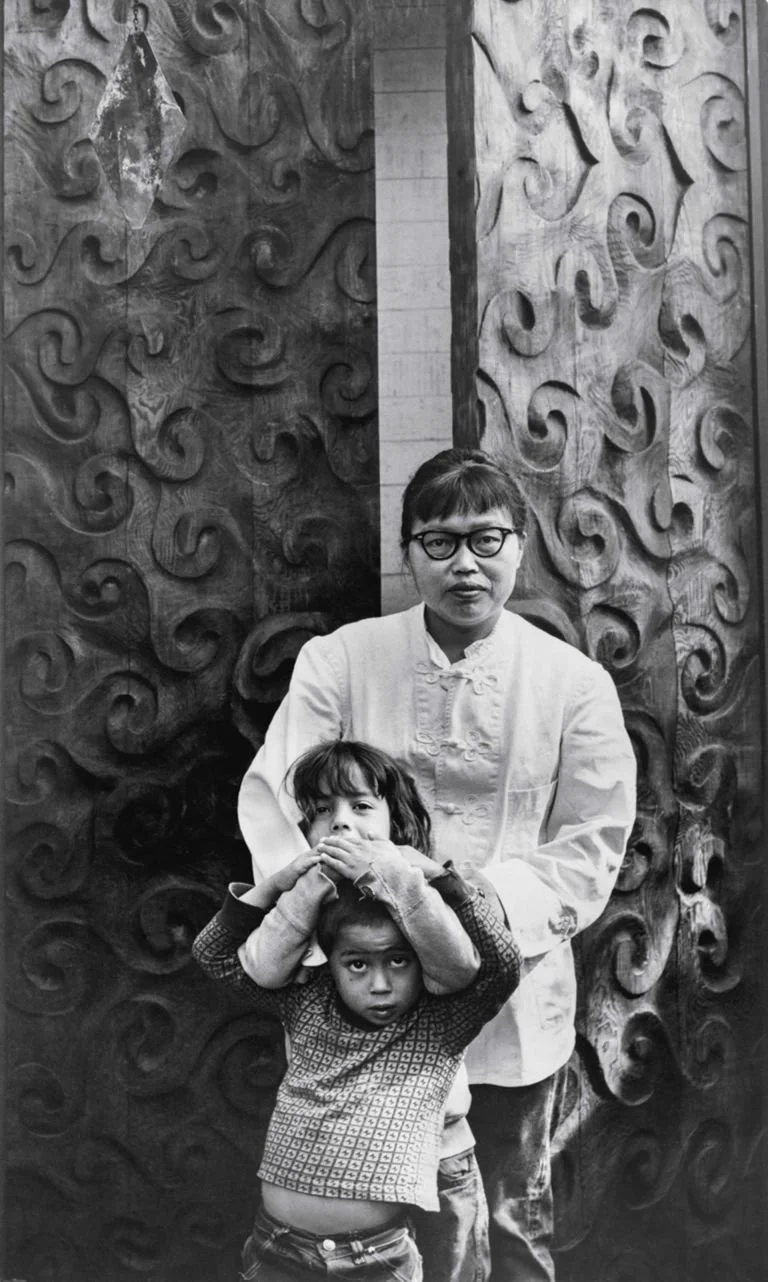
Ruth Aiko Asawa
Ruth Asawa was born in California in 1926 to Japanese immigrant parents. In the 1940s, discrimination against people of Japanese ancestry prevented her from becoming a teacher. In 1946, she joined the avant-garde artistic community at Black Mountain College in North Carolina.
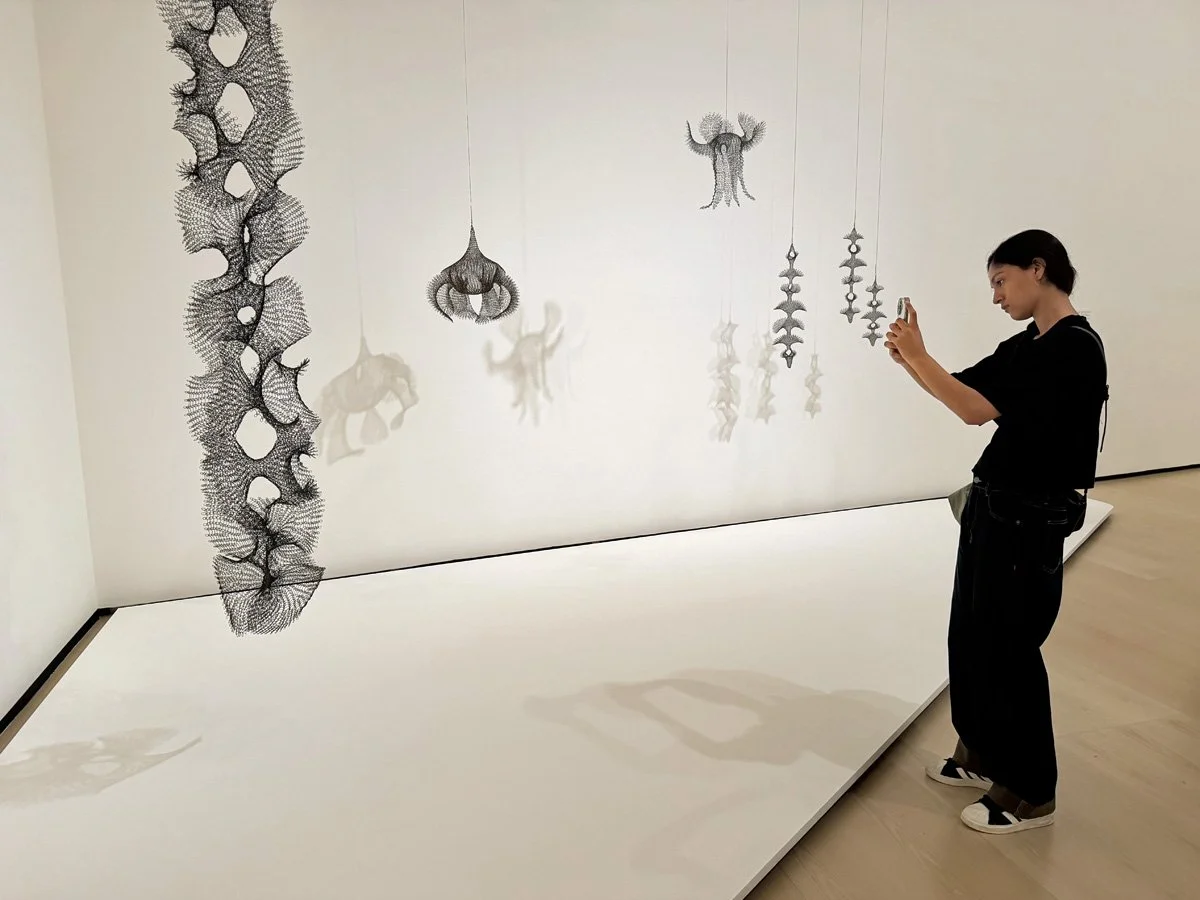
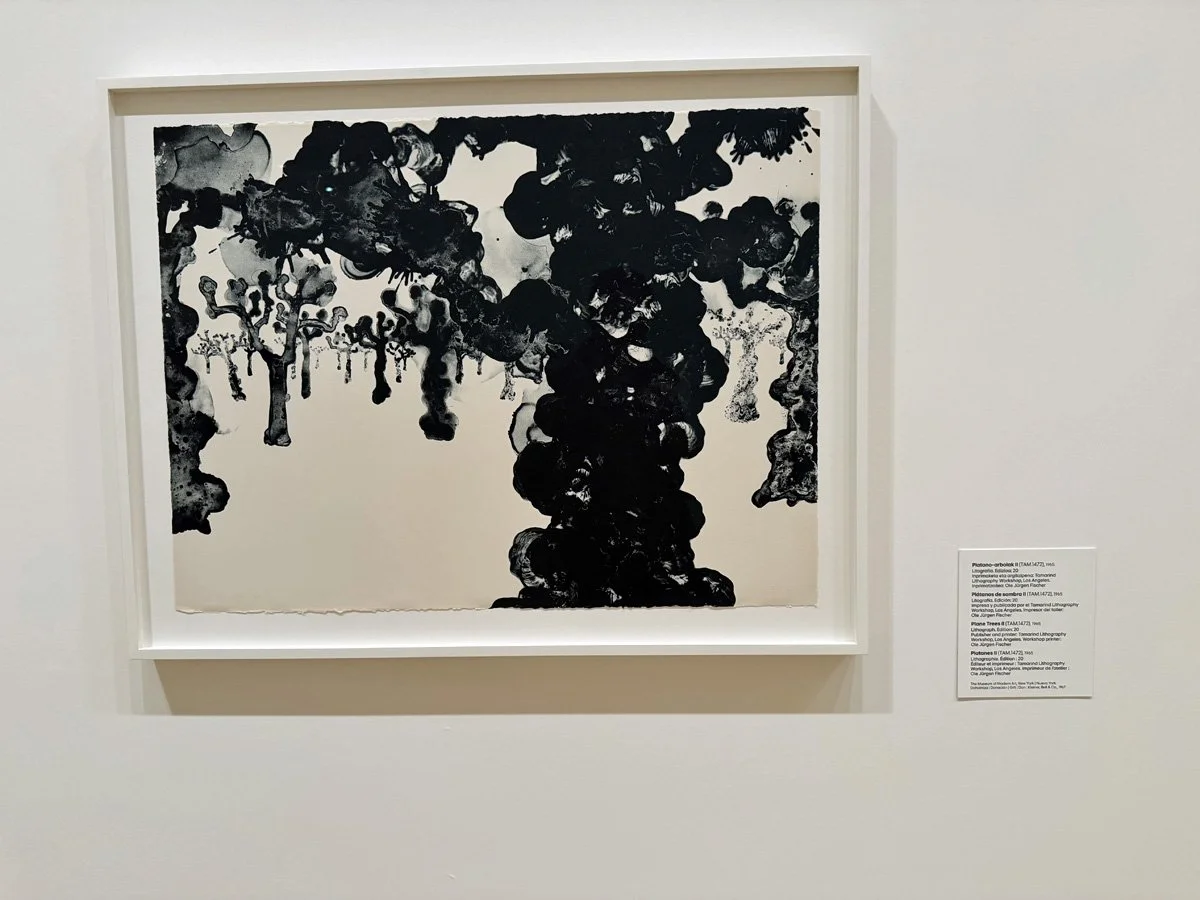
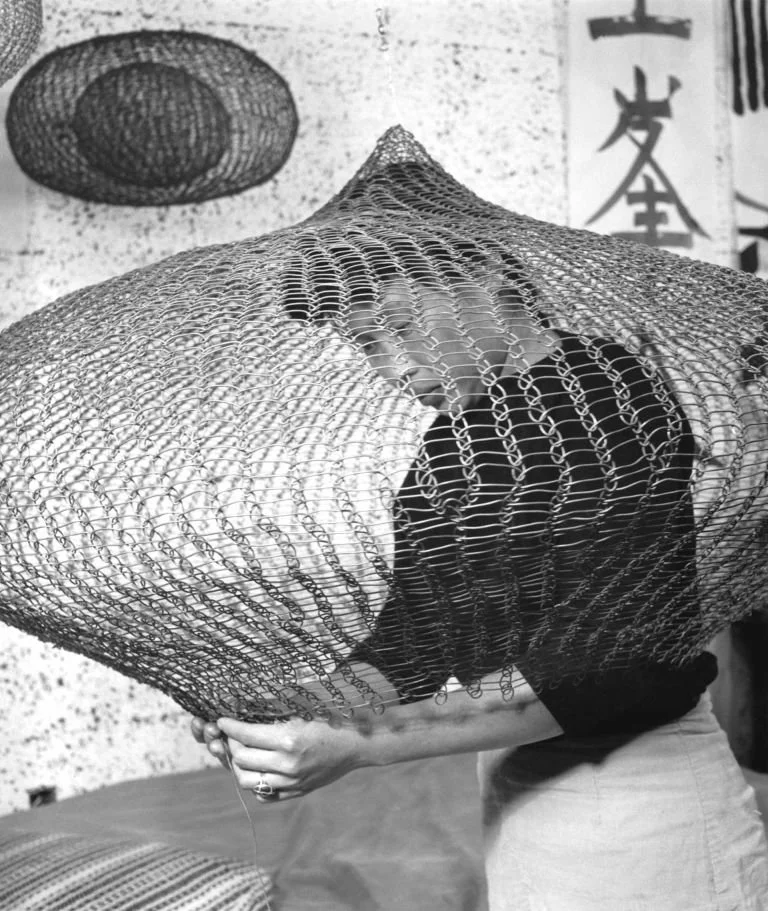
During journeys to Mexico in 1945 and 1947, she became inspired by the country’s colors and craft traditions. On her second trip, she learned the knitted-wire loop technique from a Mexican artisan. That technique would later make her famous. Over the course of her career, she created countless sculptures woven from metal wire.
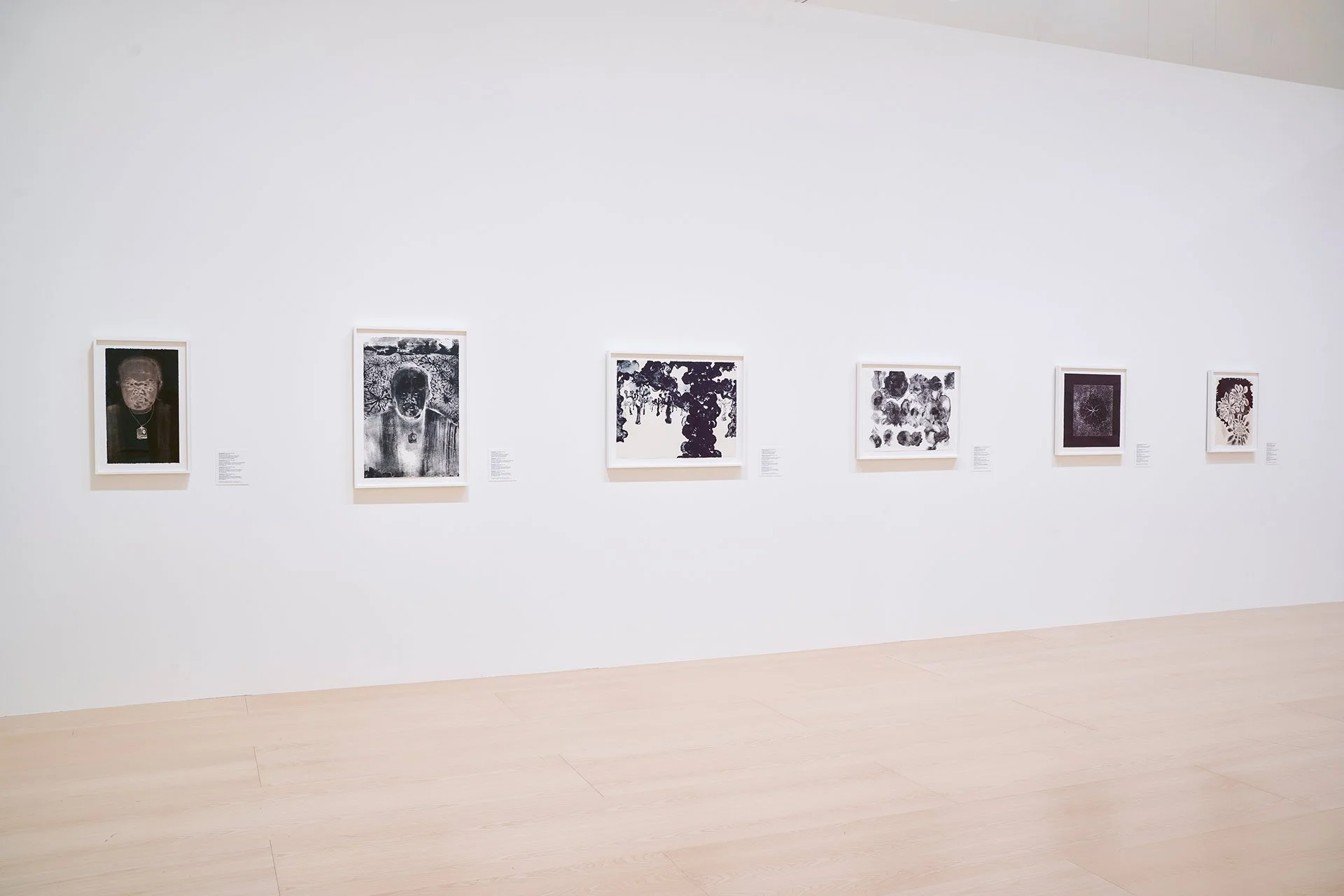
But her practice extended far beyond those wire sculptures. She also made drawings, collages, watercolors, and daily sketches. In addition to her artistic work, she was politically active in promoting arts education.
When I exited the Guggenheim and checked into my capsule hotel, I had the whole afternoon and evening to explore Bilbao. I wanted to do it properly. It was time for a txikiteo — the Basque tradition of bar-hopping for small drinks and pintxos before lunch or dinner.
I asked AI for a list of local aperitifs and got this:
Marianito — the classic Bilbao aperitif
Vermú preparado — basically dressed-up vermouth
Txakoli (Txakolina) — a lightly sparkling, very dry Basque white wine
Kalimotxo — equal parts red wine and cola
Zurito — a tiny beer locals drink while bar-hopping
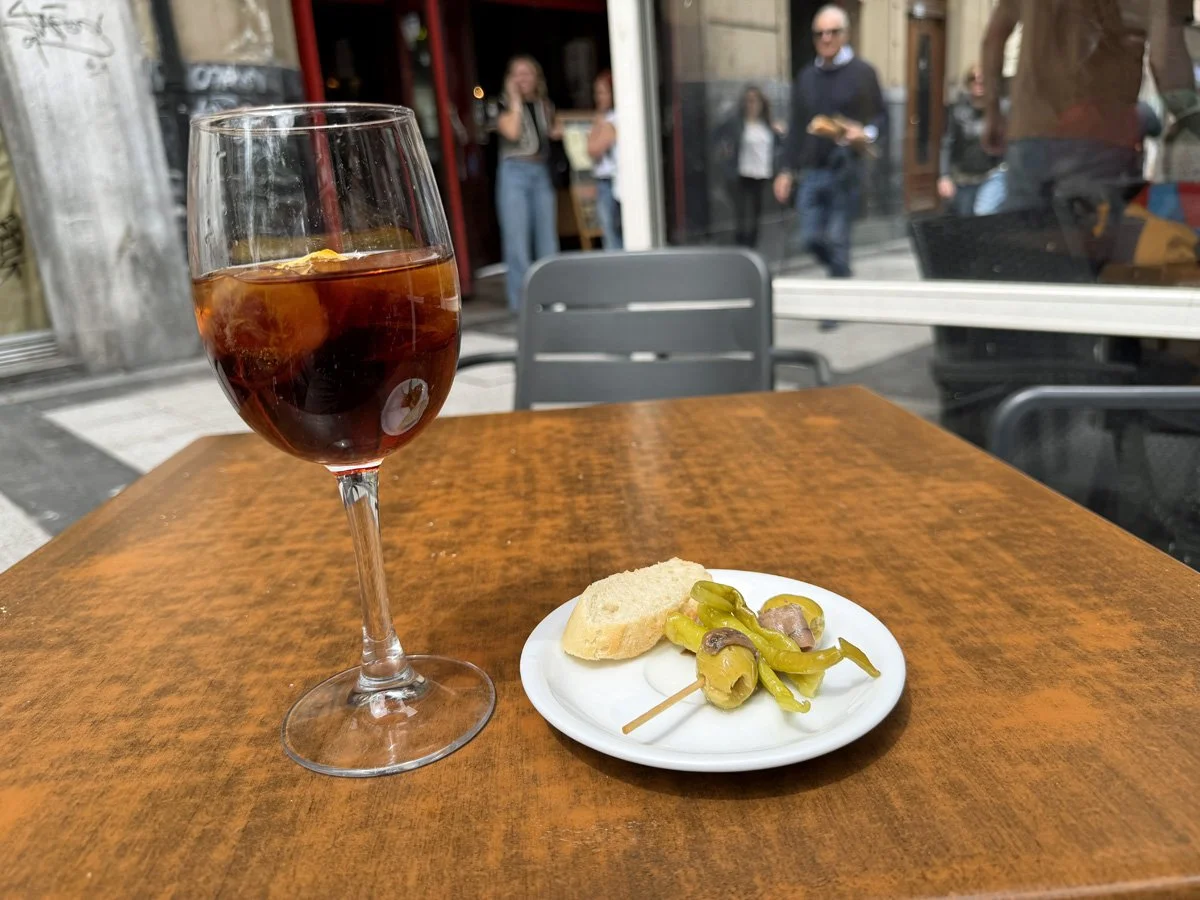
My plan was simple: just start and see how far down the list I could make it. I began with a marianito, which I immediately mispronounced as a marianita. Confused look from the bartender.
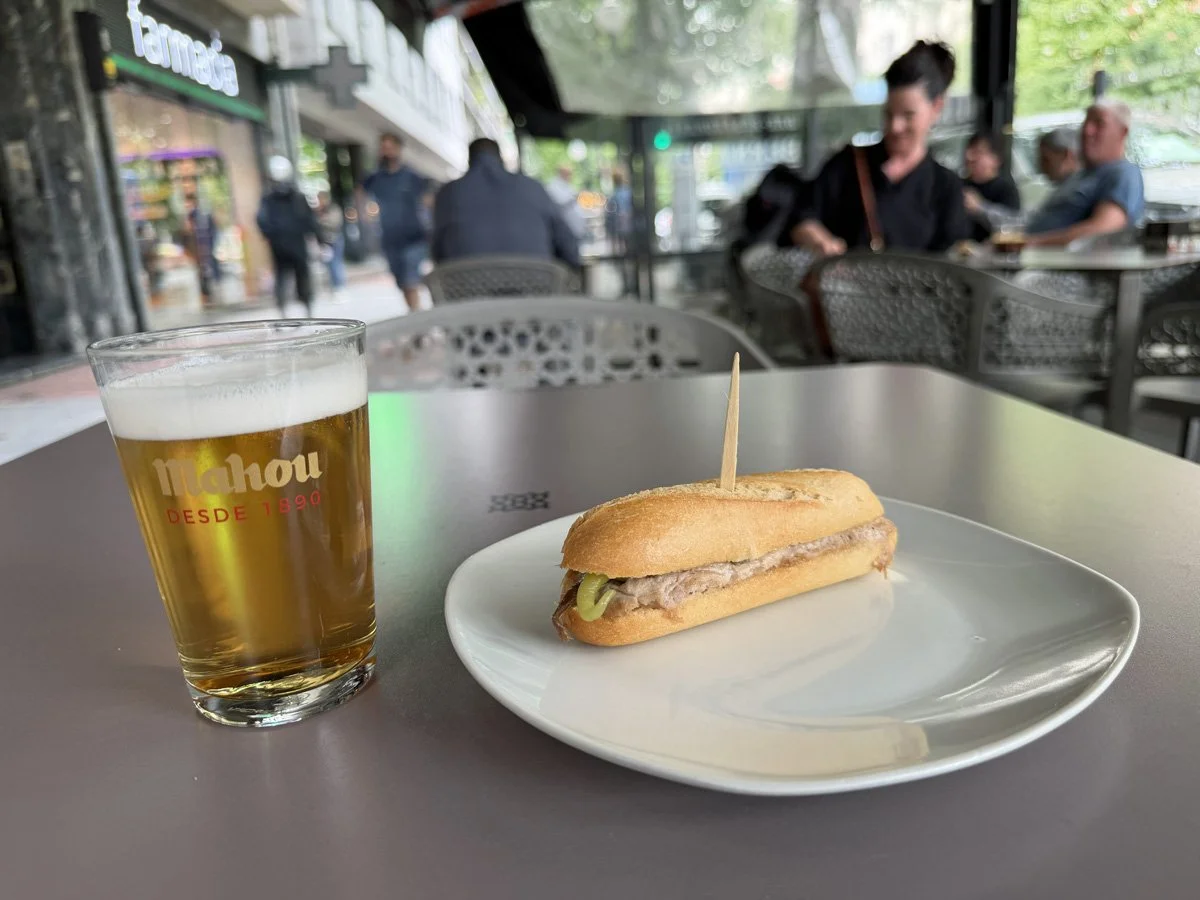
On the next terrace, I ordered a zurito, which was nice since I hadn’t had a beer all week. The beer looks big but the bread roll is pinxtos-sized, therefore tiny. I’m not a big drinker, so after the zurito I could only handle one more — and I wanted to make it count.
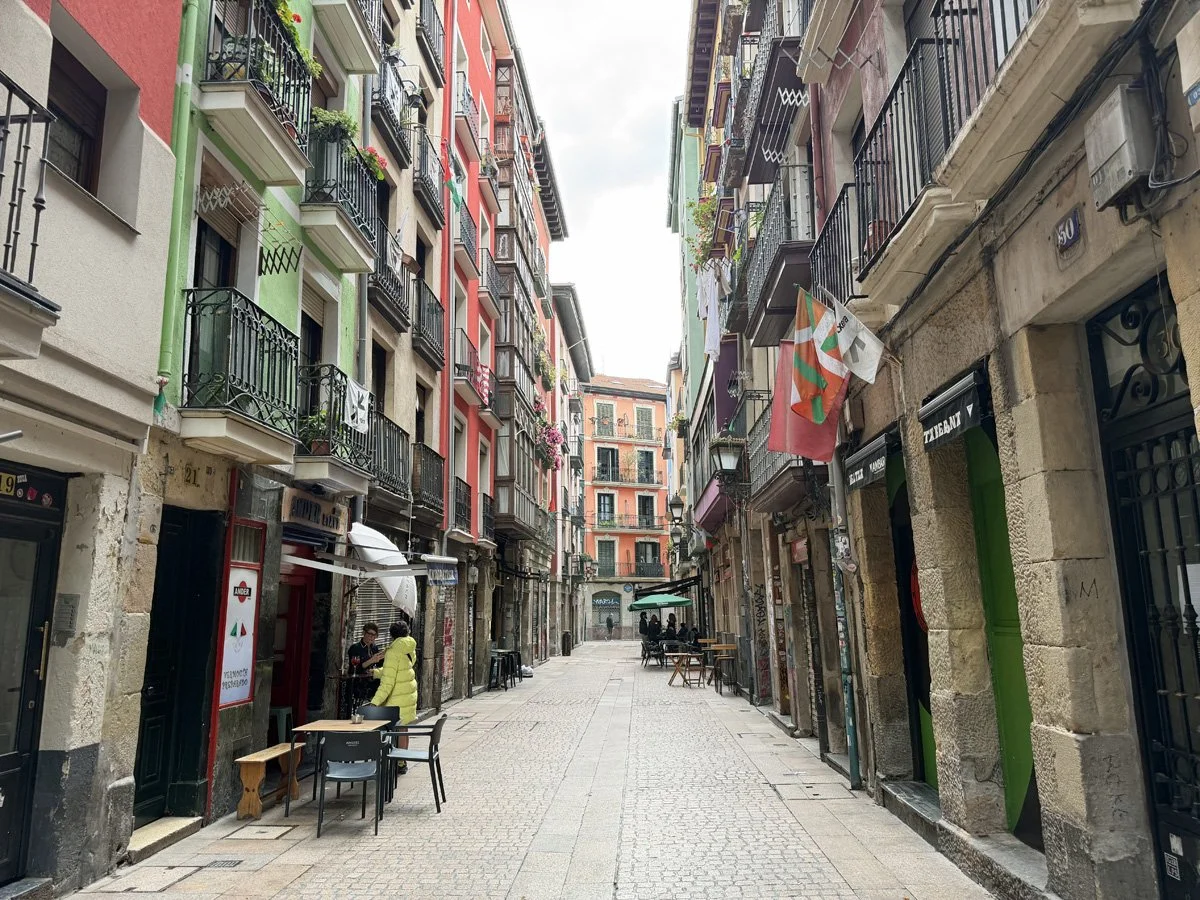
After some googling, I found a place said to serve the very best marianito: Ander Etxea. I expected it to be packed, but at around 4:30 pm it was almost empty.
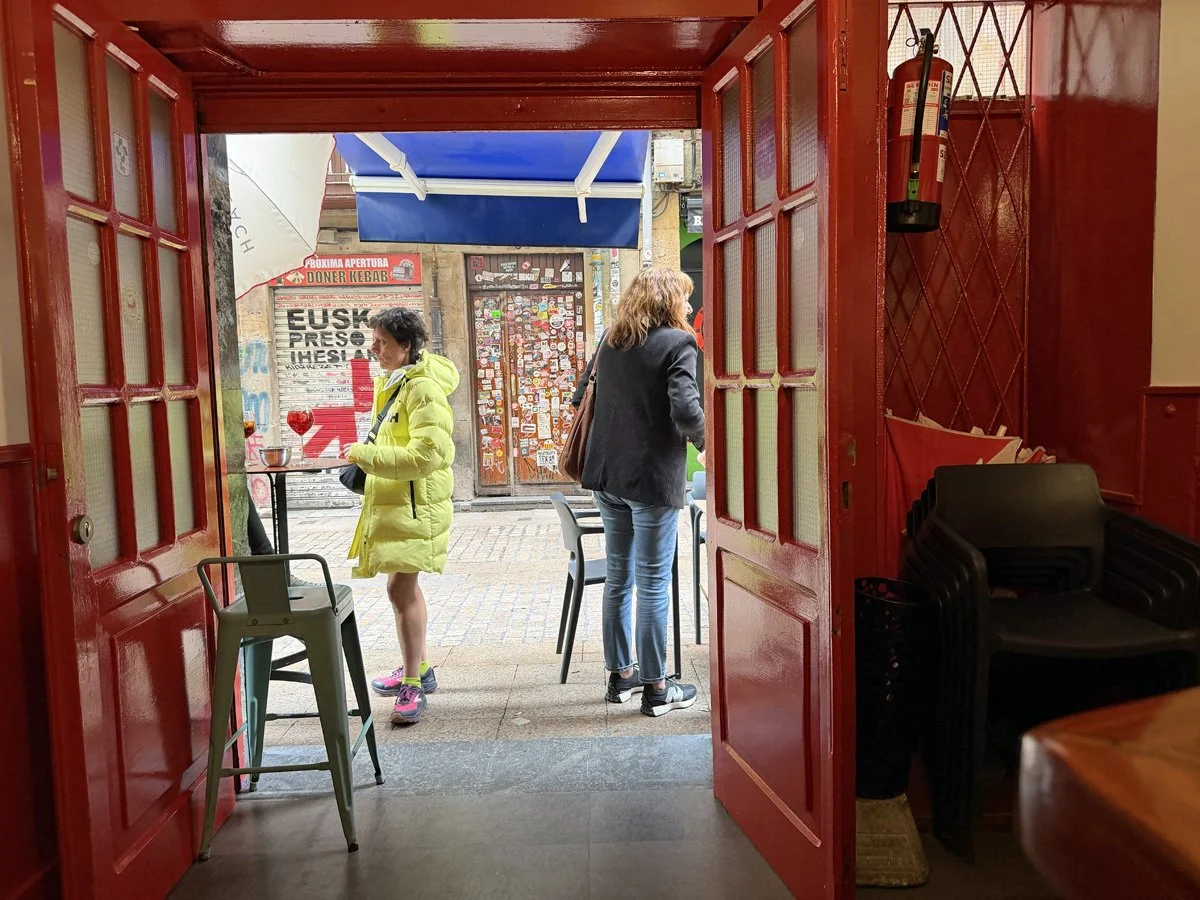
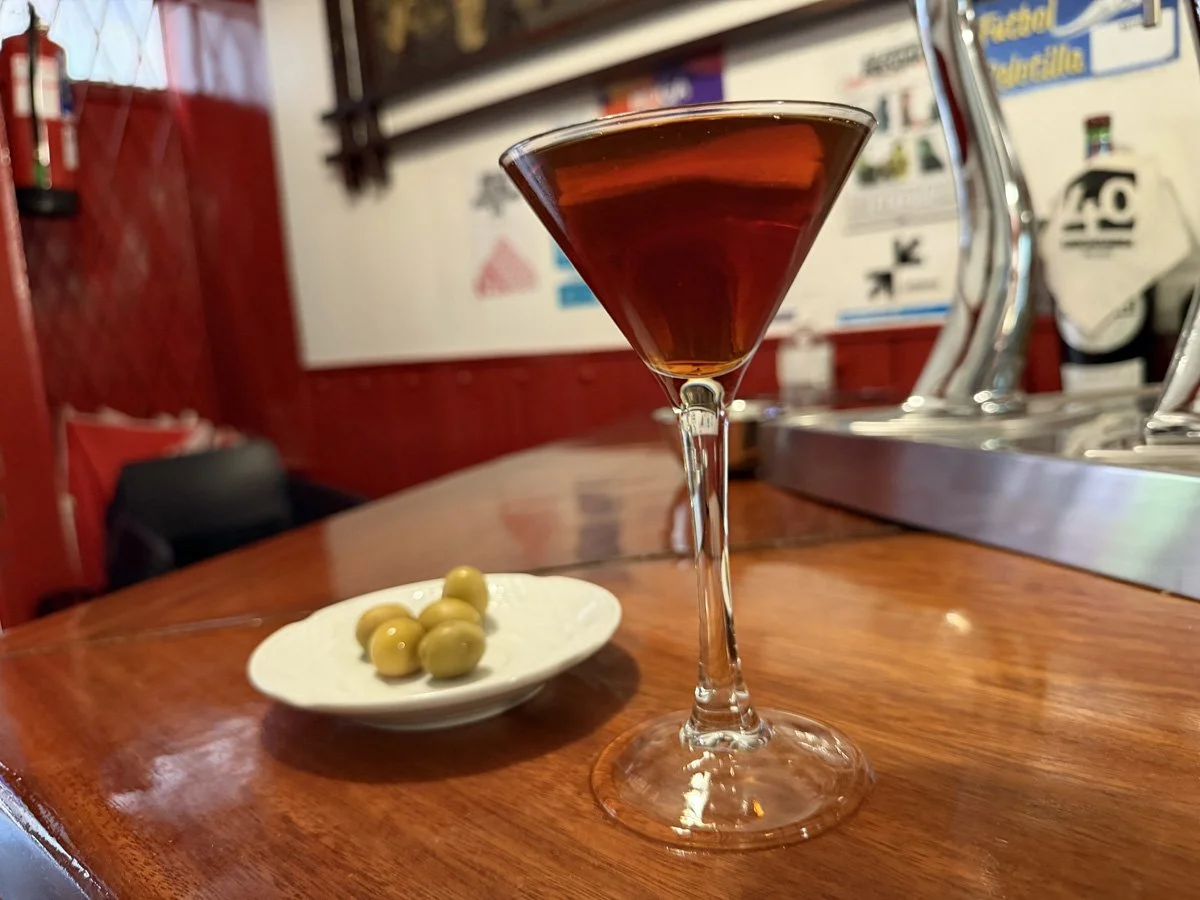
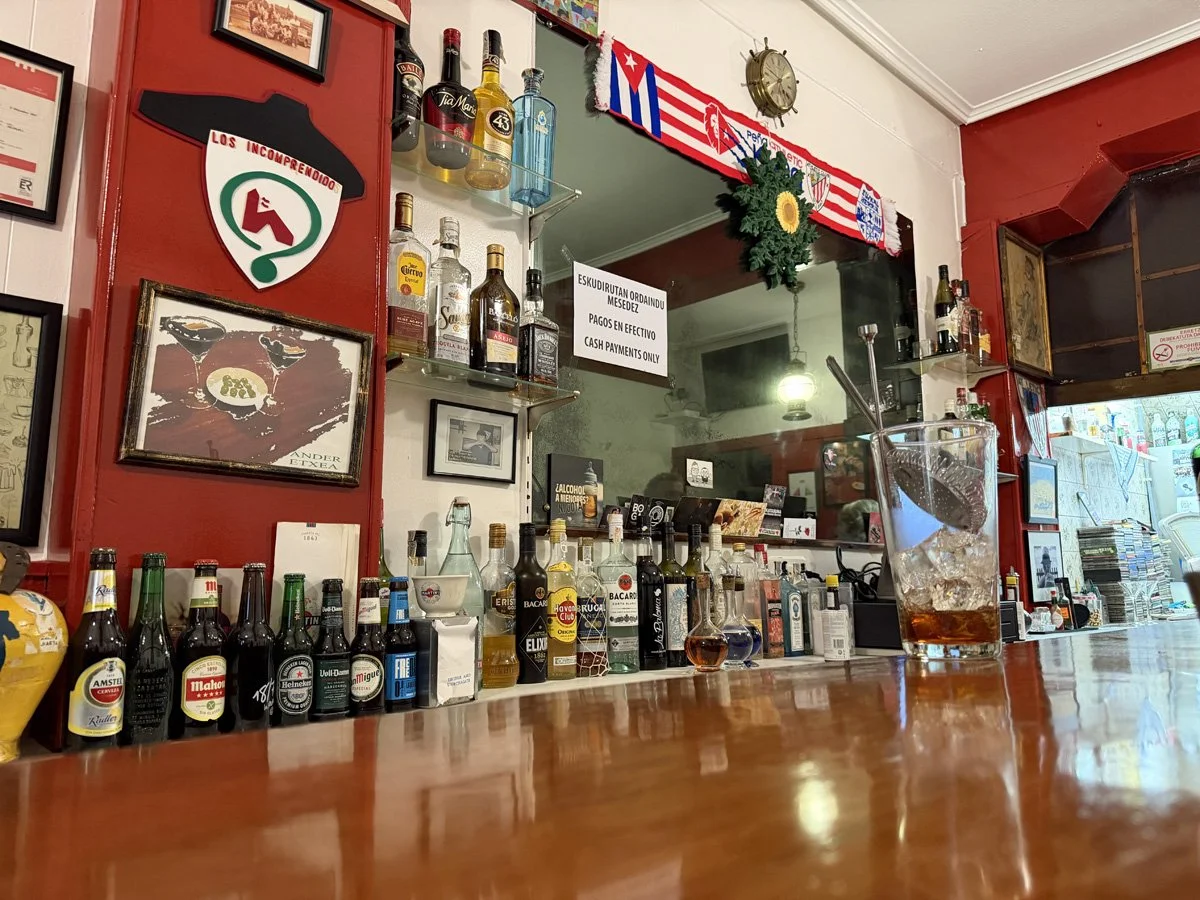
I ordered a marianito, making sure I pronounced it correctly this time. The woman behind the bar prepared it like a professional cocktail bartender: a mixing glass filled with ice, then she poured two different drinks from unlabelled bottles — later, I figured out it was vermouth and gin.
Next came Campari and Angostura bitters. She stirred everything carefully with a spoon to chill the drink, then strained it into a cocktail glass and finished it with an orange peel on top.
This marianito was in a completely different league from the first one. This one was, honestly, perfect. I paid only €4.00.
I didn’t want to spoil the perfect moment by ordering a second, so I left the bar and stepped outside—only to notice heavy, dark clouds rolling in. Soon it started raining so hard I ended up buying an umbrella, even though I already had one back at my hotel.
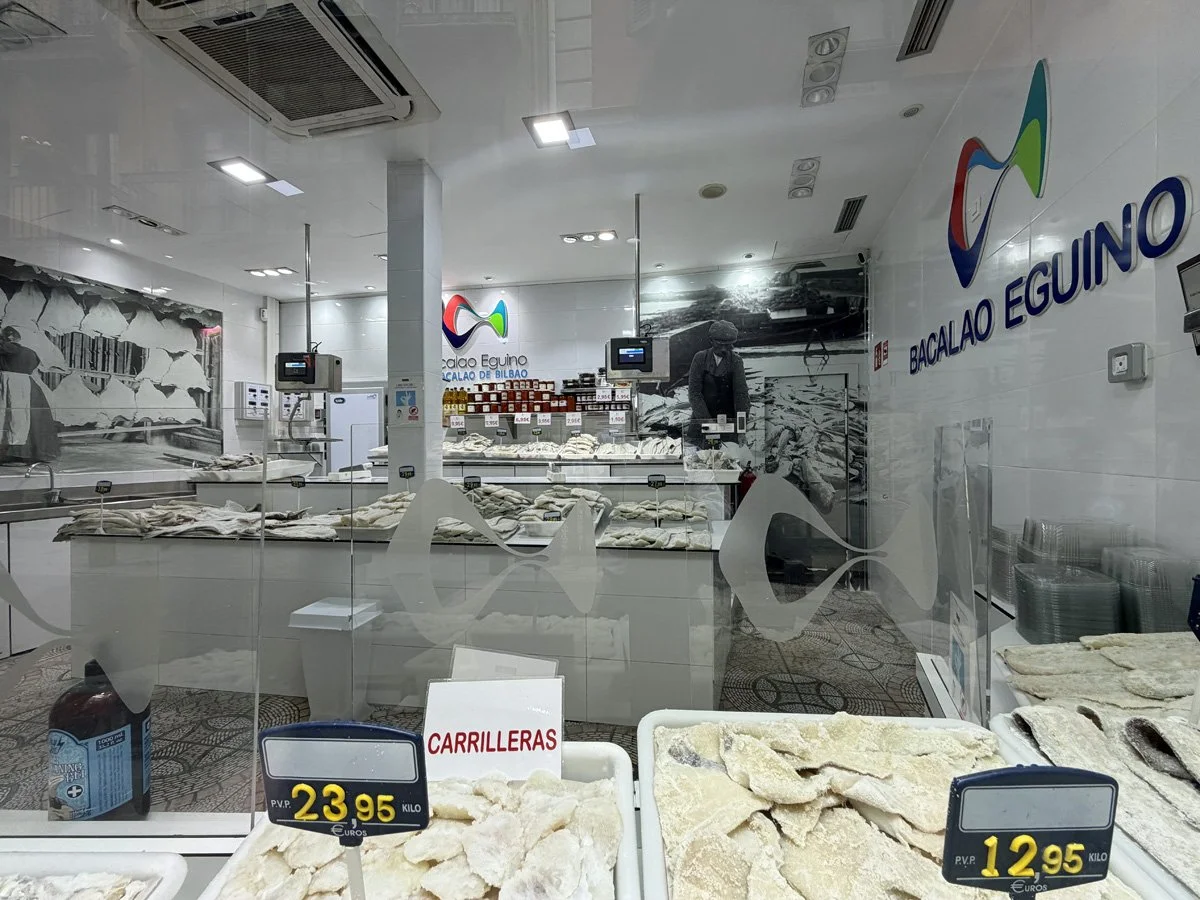
I decided to wait out the storm in my 3 cubic meters capsule, and in the process completely forgot about going back to a bacalao shop to pick up some quality salted cod for my kitchen.
Around 7 p.m., the rain finally cleared. All I had left to do was find a place for my last dinner. I didn’t want to spend too much, so I wandered around the gritty San Francisco neighbourhood when I suddenly spotted plates of rice and fried chicken on display in an obvious African restaurant.
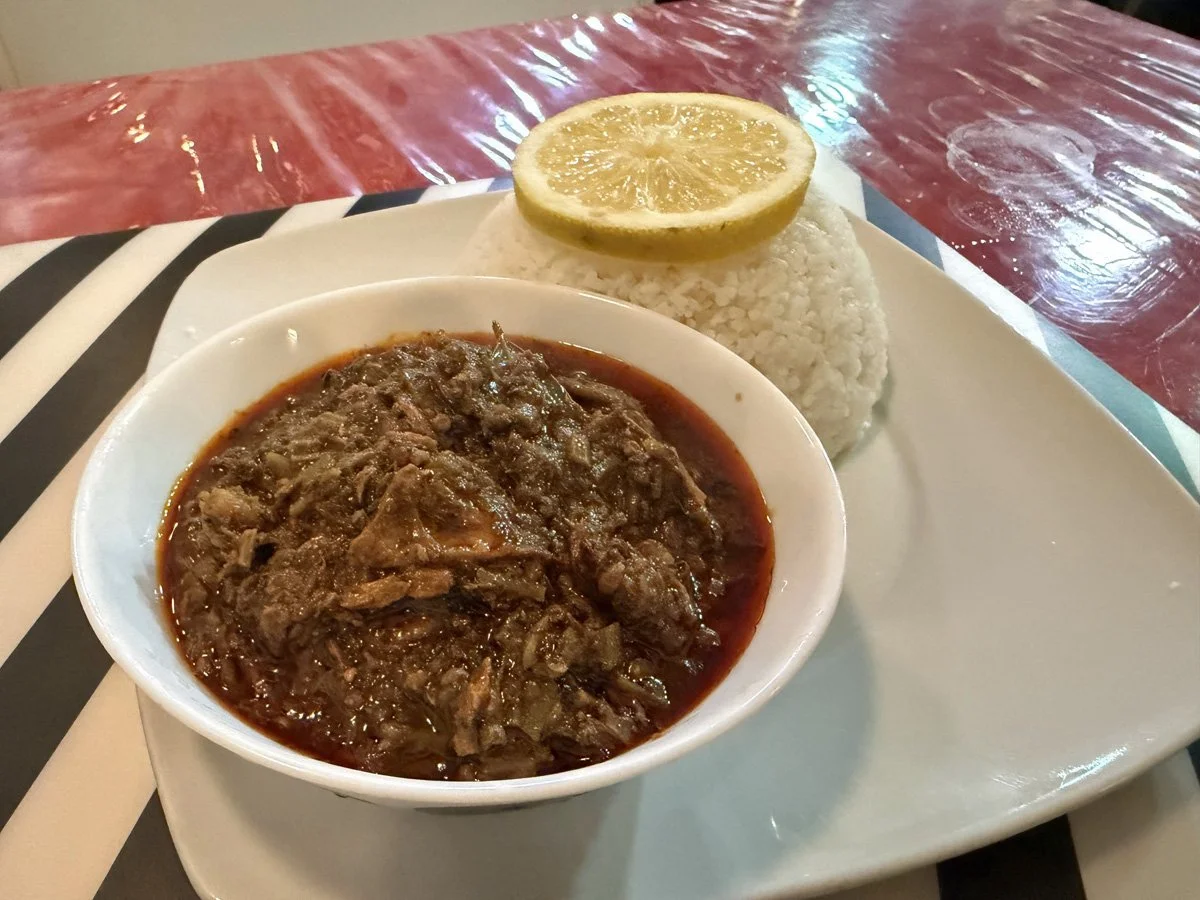
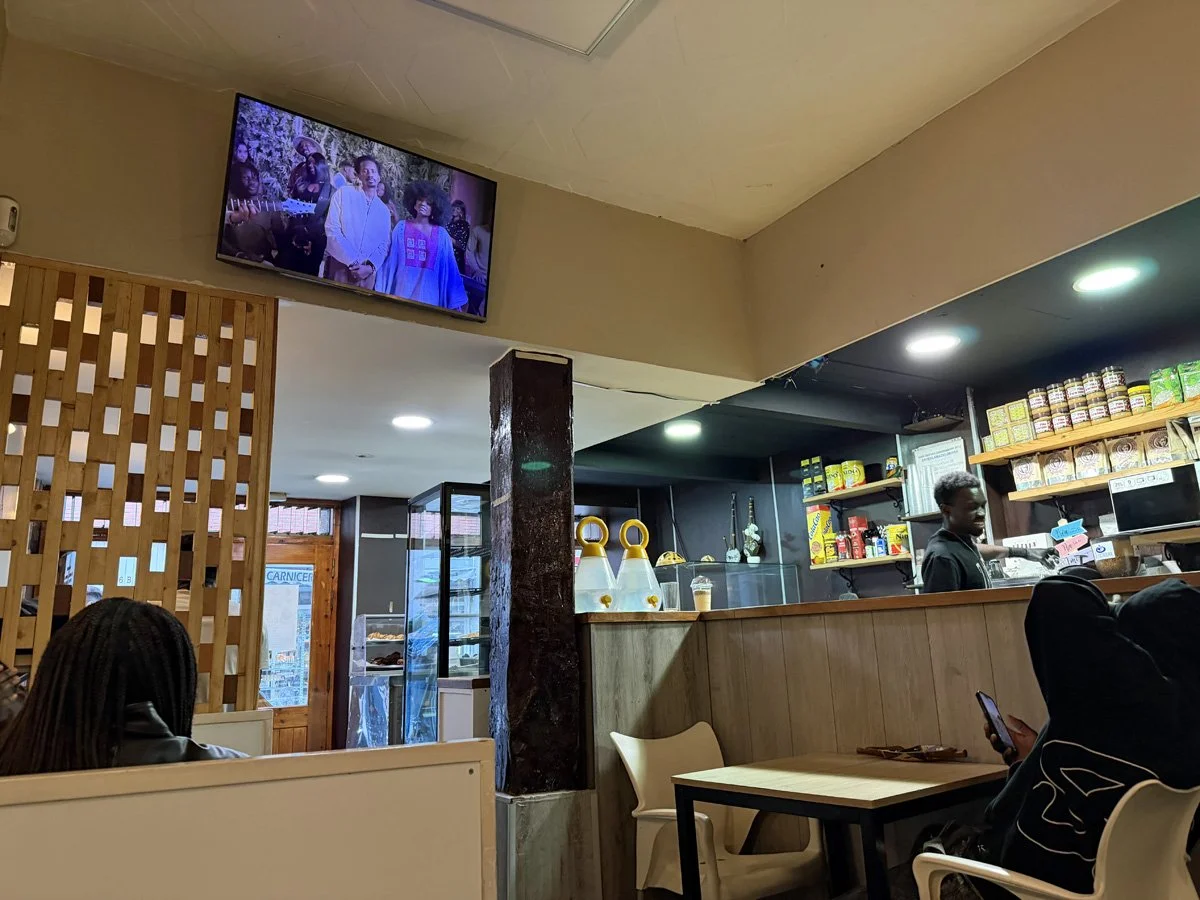
The fried chicken wasn’t available, and the man pointed me instead to the only available dish: some kind of meat stew. From the music I’d Shazam’d during my meal, I could tell it was a Senegalese place. A pleasant coincidence since I almost flew to Dakar for this holiday. My stew was likely thiou—I don’t think it was yassa (I should have seen more onion) and definitely not mafé (peanut stew). I like these kinds of places. I still have plans for a city trip to Dakar, another coastal city with plenty of fish.