Bamboo Nest

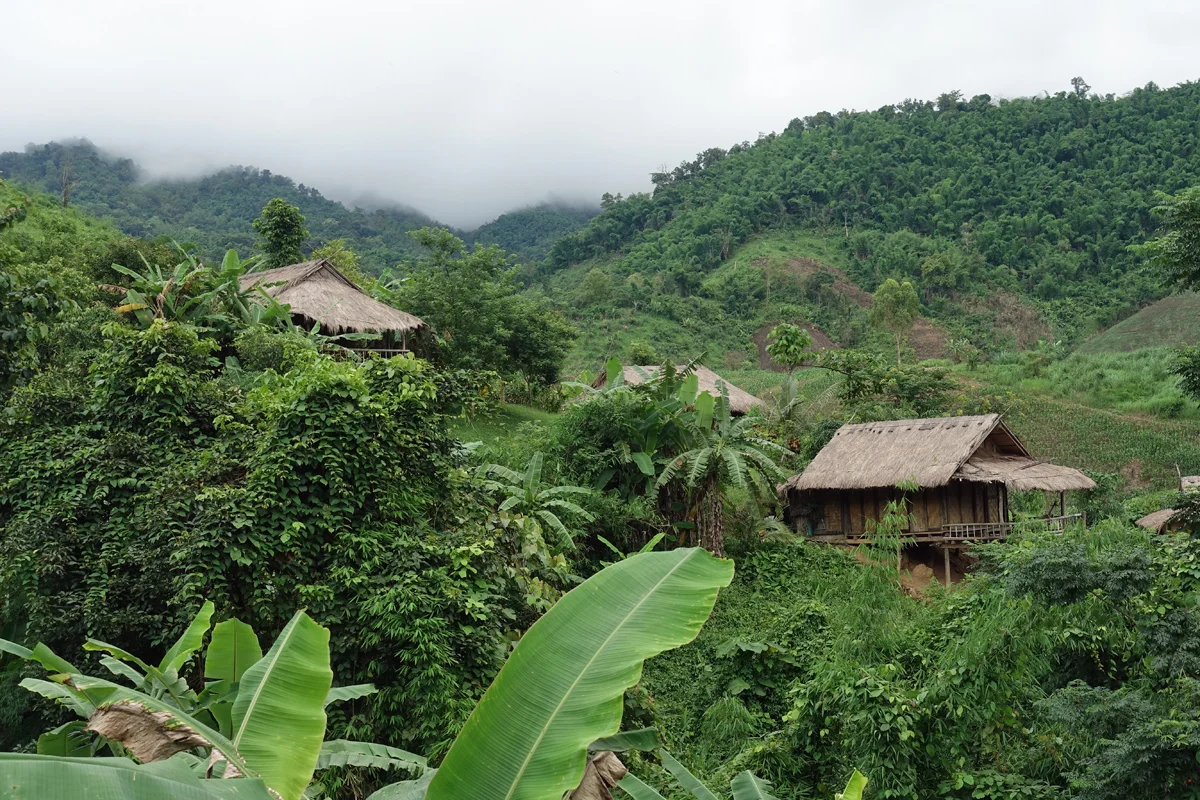
Living in an apartment with no garden in the inner-city has made longing for a house in the countryside. I have been following the tiny house movement with interest. In Thailand I stayed in a little bamboo hut west of Chiang Rai. The place is called Bamboo Nest and is located above a small village. The owner Nok picks you up in Chiang Rai and after a smooth ride along the river Kok the last few kilometers are so steep her 4x4 drive could barely handle the road.
thailand-tinyhouse-1.jpg
bamboonest-2.jpg

The huts have one room, the only furniture being a double bed with mosquito net, a separate shower and toilet in the back and a spacious veranda with a hammock, also completely made of bamboo. There is no kitchen, so these huts are mainly constructed for sleeping. 

A tiny house is a residential structure under 46 m2 so I guess these huts could be considered tiny houses. Personally I think a living space smaller than 46 m2 is too small for permanent residence unless you downsize your stuff radically.

bamboonest-3.jpg
bamboonest-5.jpg
bamboonest-6.jpg
bamboonest-7.jpg
bamboonest-4.jpg

Chiang Mai night food

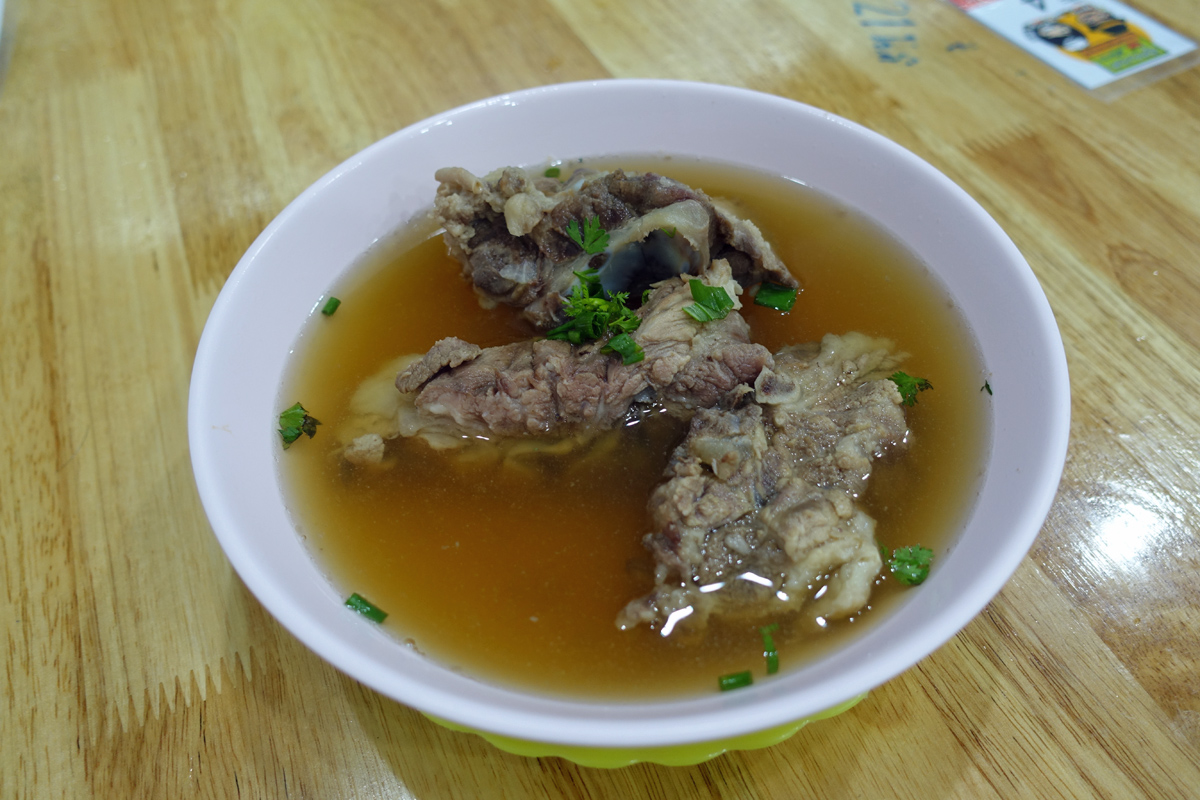
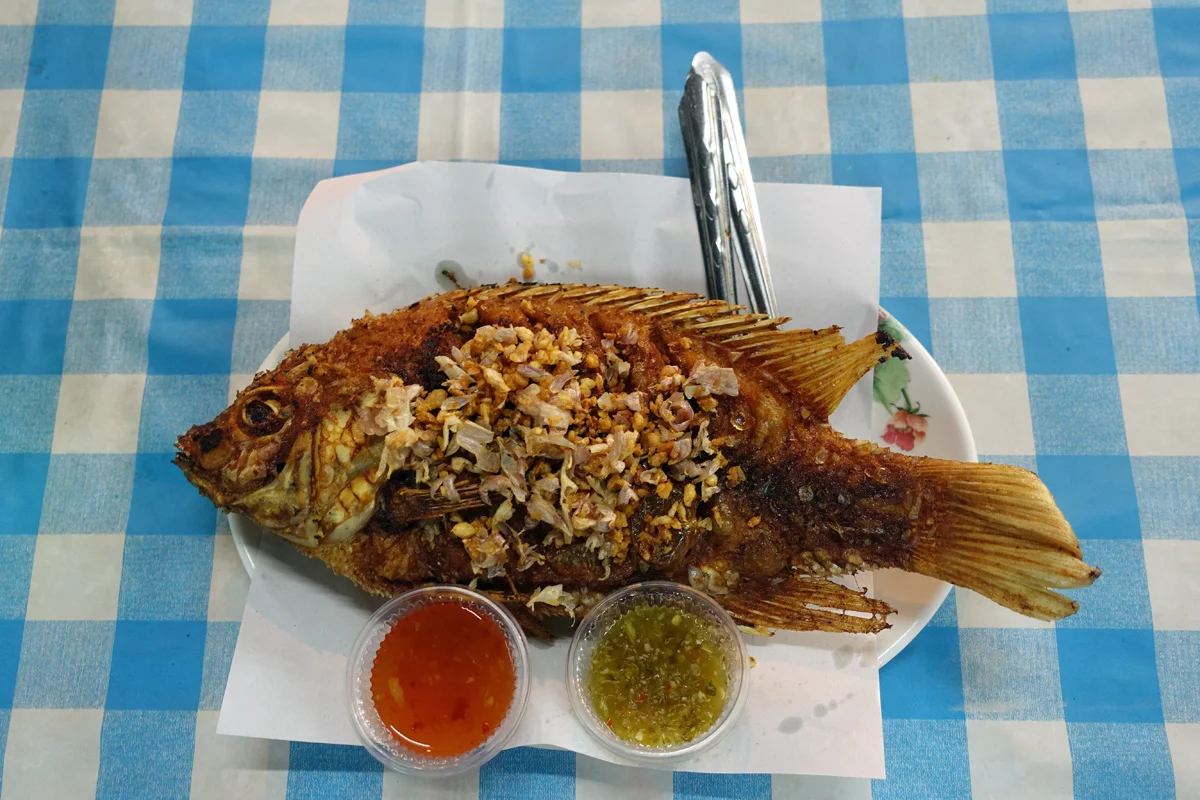
The main attraction of Chiang Mai is certainly the many street stalls and night food markets. I choose to ignore the usual three meals a day routine for a new five meals a day regime. Just to name a few: clear beef broth soup, deep-fried garlic fish and koi neua (ก้อยคั่วเนื้อ), which is a raw meat salad of Isan origin.

Chiang Mai is a very colourful city at night.

chiangmai-6.jpg
chiangmai-3.jpg
chiangmai-8.jpg
chiangmai-13.jpg
chiangmai-1.jpg
chiangmai-5.jpg
chiangmai-4.jpg
chiangmai-2.jpg
chiangmai-7.jpg
And yes, I did spent one night on the toilet of my hotelroom. Probably a plate washed with dirty water. But even then my inner Cartman-voice was going: "Awesome!"

And yes, I did spent one night on the toilet of my hotelroom. Probably a plate washed with dirty water. But even then my inner Cartman-voice was going: "Awesome!"

Bangkok / Krung Thep (กรุงเทพ)

A new city can feel quite overwhelming on the first day. It’s hard to get your bearings. The best approach is to skip the taxis and explore on foot. In Bangkok, however, the crossings aren’t very pedestrian-friendly. My hotel was not far from the Chao Phraya River, and I soon found myself taking the Chao Phraya Express Boat, mingling with commuters on their way to work. The color of the flag indicates the line. Seeing the city from the water gave me a real sense of its scale.

bangkok-1.jpg
bangkok-2.jpg

Chinatown

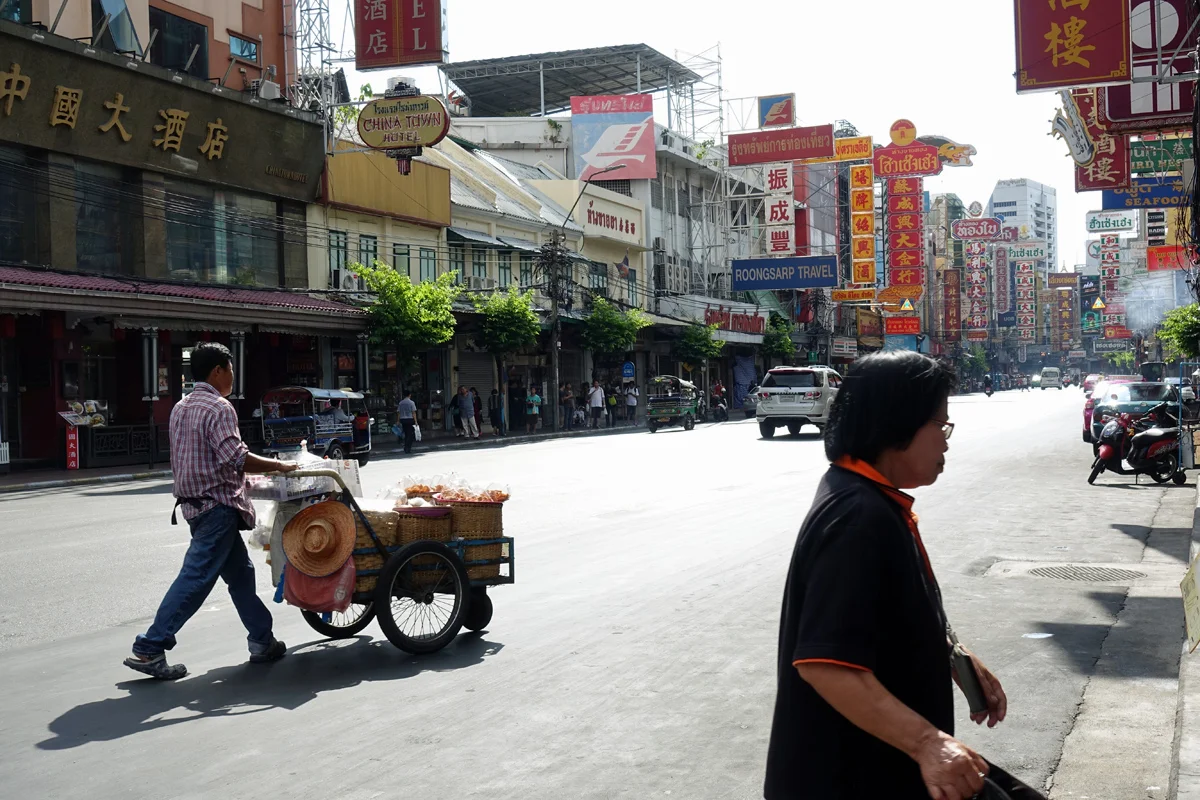
Bangkok’s Chinatown is one of the largest in the world. Since I live near Amsterdam’s Chinatown — if you can call Zeedijk a “Chinatown” — I just had to visit. The Bowring Treaty, signed on 18 April 1855 between the United Kingdom and the Kingdom of Siam, liberalized foreign trade in Siam. As a result, businesses flourished in Chinatown, which had been founded in 1782. By the turn of the 19th–20th centuries, the district had developed a red-light area with opium dens, theatres, nightclubs, and gambling houses.

By 2017, Bangkok’s Chinatown was certainly less raucous, but I still spent half a day wandering its narrow alleyways, eating soup with fresh pig intestines, and visiting Chinese temples such as Wat Mangkon Kamalawat — the largest Chinese Buddhist temple in Bangkok. It was a delightful place to explore.

bangkok-chinatown-6.jpg
bangkok-chinatown-2.jpg
bangkok-chinatown-1.jpg
Wat Mangkon Kamalawat

Wat Mangkon Kamalawat

Now everyone can fly

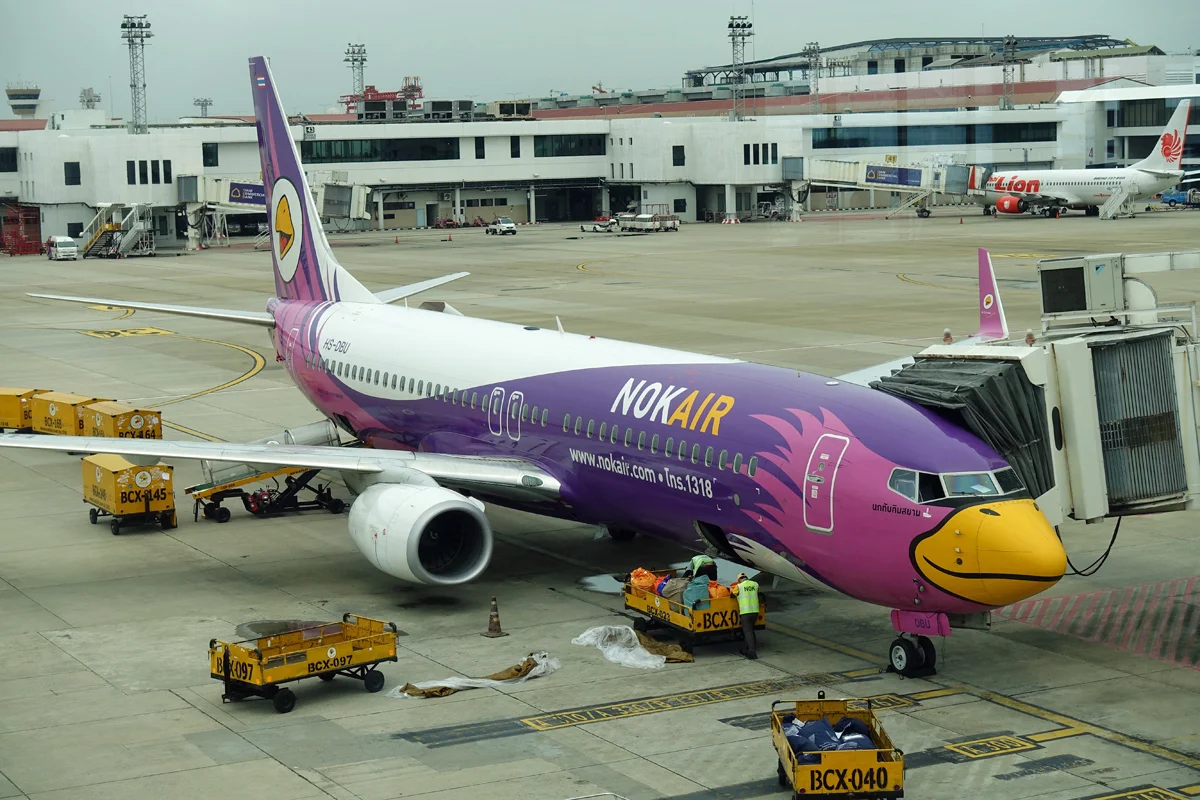
Moving on from Bangkok to Chiang Mai, I found that domestic air travel in Thailand is astonishingly cheap. I paid the equivalent of €86.02 for my flight from Bangkok Don Mueang International Airport to Chiang Mai International Airport with Nok Air. Thai Airways holds the second-largest stake in Nok Air.

thailan-bangkok.jpg
thailand-bangkok-2.jpg