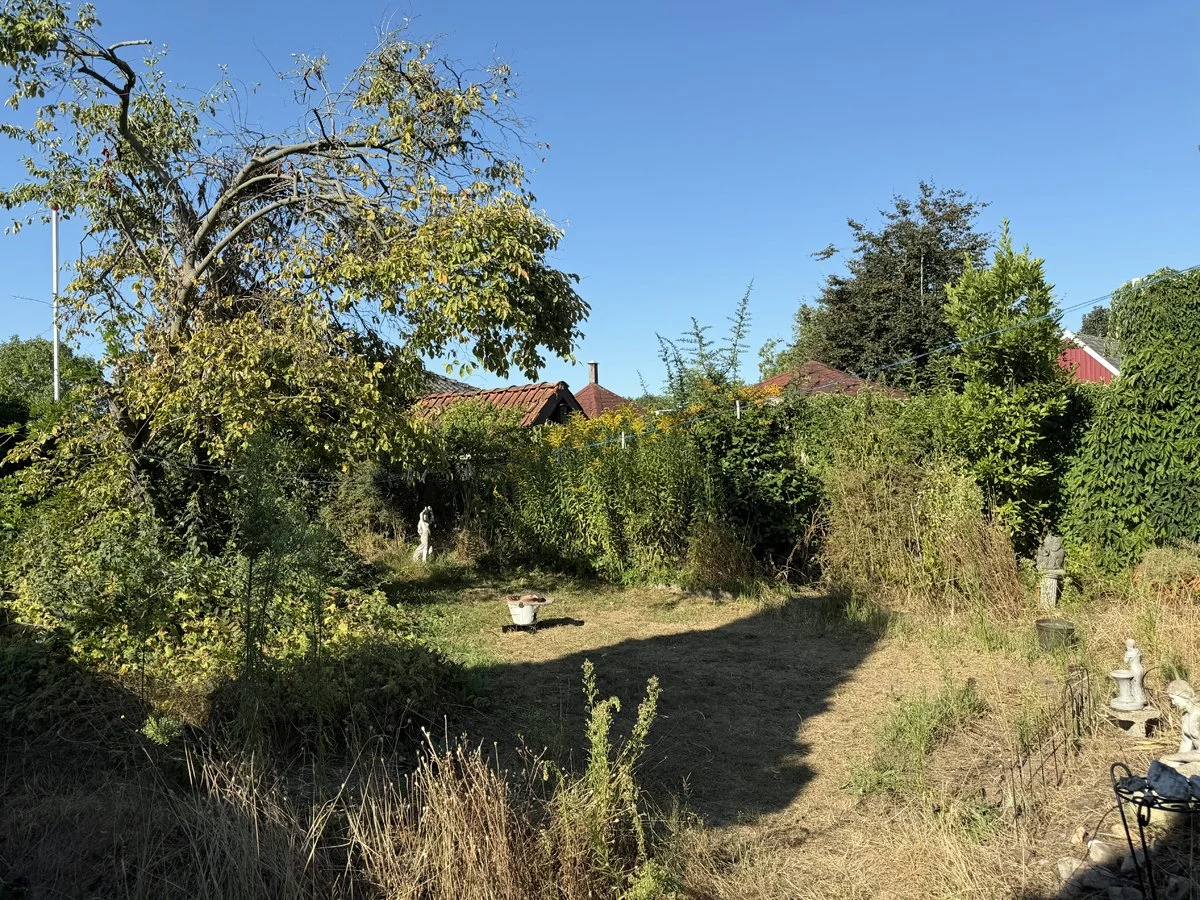
De Achtertuin
“c’est joli de monterer aux autres les belles choses de la vie mais c’est encore plus joli d’y participer soi-même”
In May, my father passed away at the age of 92. I sat by his side for 33 hours until his final breath. In June and July, my attention was mostly on work, but August was mine. When it comes to cooking, this August was out of the ordinary. I spent two weeks on holiday at my father's house and, cooking two new recipes a day, tried around 30 different dishes. Many of the dishes were inspired by memories of my travels. The outliers were my Indian dishes, since I have never traveled to India—yet.
After the first weekend, I didn't drink any alcohol —it makes me feel lethargic and I didn’t want to waste a single minute— and used meat only a few times. I also don’t eat breakfast. Every day, I fast for at least 16 hours or more (between 7 pm and 11 am). Most of my meals were based on vegetables and pulses. You may call this fibermaxing. I call it delicious food. Around 90–95% of adults in Western countries do not consume the recommended amount of dietary fibre, a number which has shocked me. And that's based on a recommendation of 30 grams per day. Increasingly, researchers argue that the recommended intake should be closer to 40 grams.
I made a fish version of the traditional Peruvian quinoa soup. Normally, it is prepared with chicken broth and chicken. I followed the same recipe but substituted the chicken stock with fish stock and used trout instead.
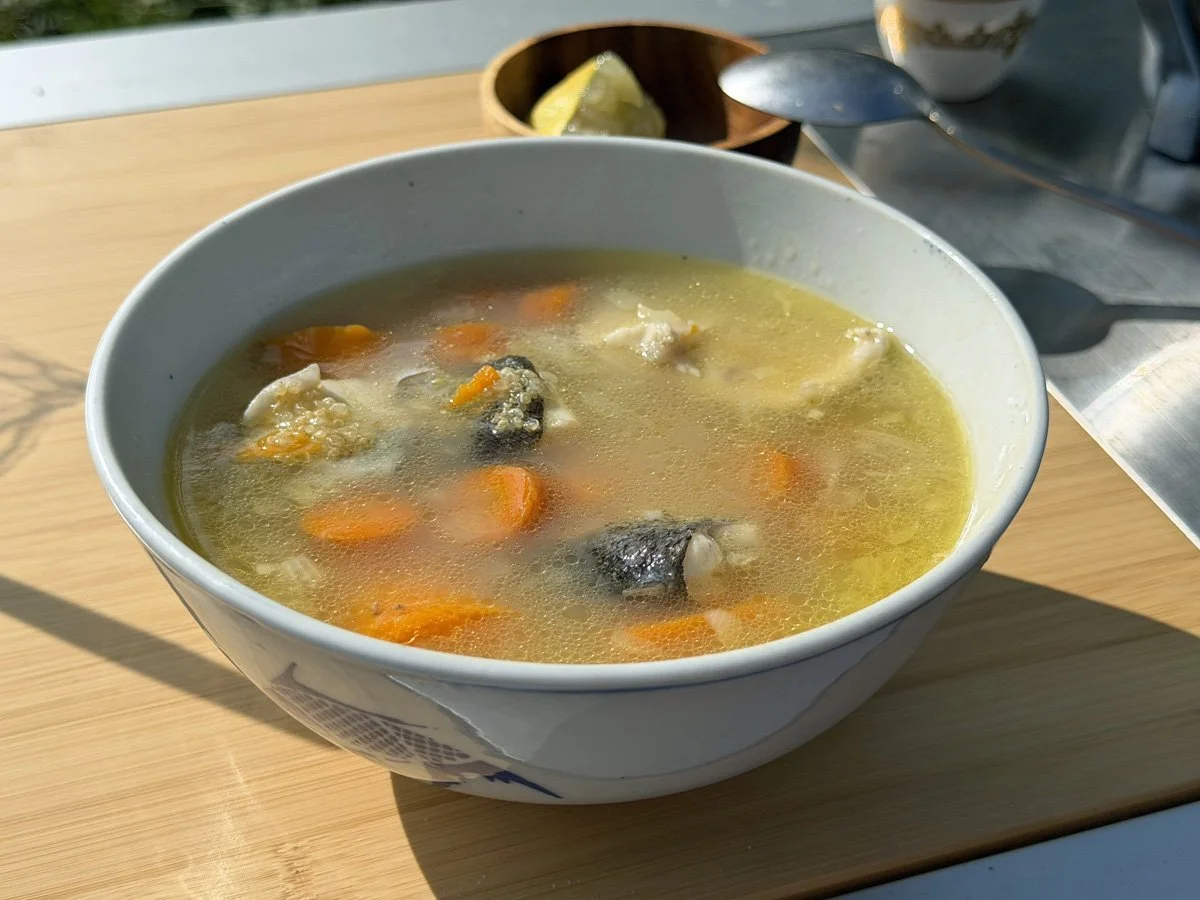
ChatGPT hallucinated quinoa trout soup
The trout was actually suggested by ChatGPT. I asked it to find a fish version of the traditional Peruvian quinoa soup, and it confidently recommended trout. When I asked for a source, however, it admitted there wasn't one. Its reasoning was simply that trout was introduced to the highlands of Peru by Europeans, so a quinoa-and-trout soup could plausibly exist. In other words, it had hallucinated the recipe. It was very good, though. And trout is a very affordable fish.
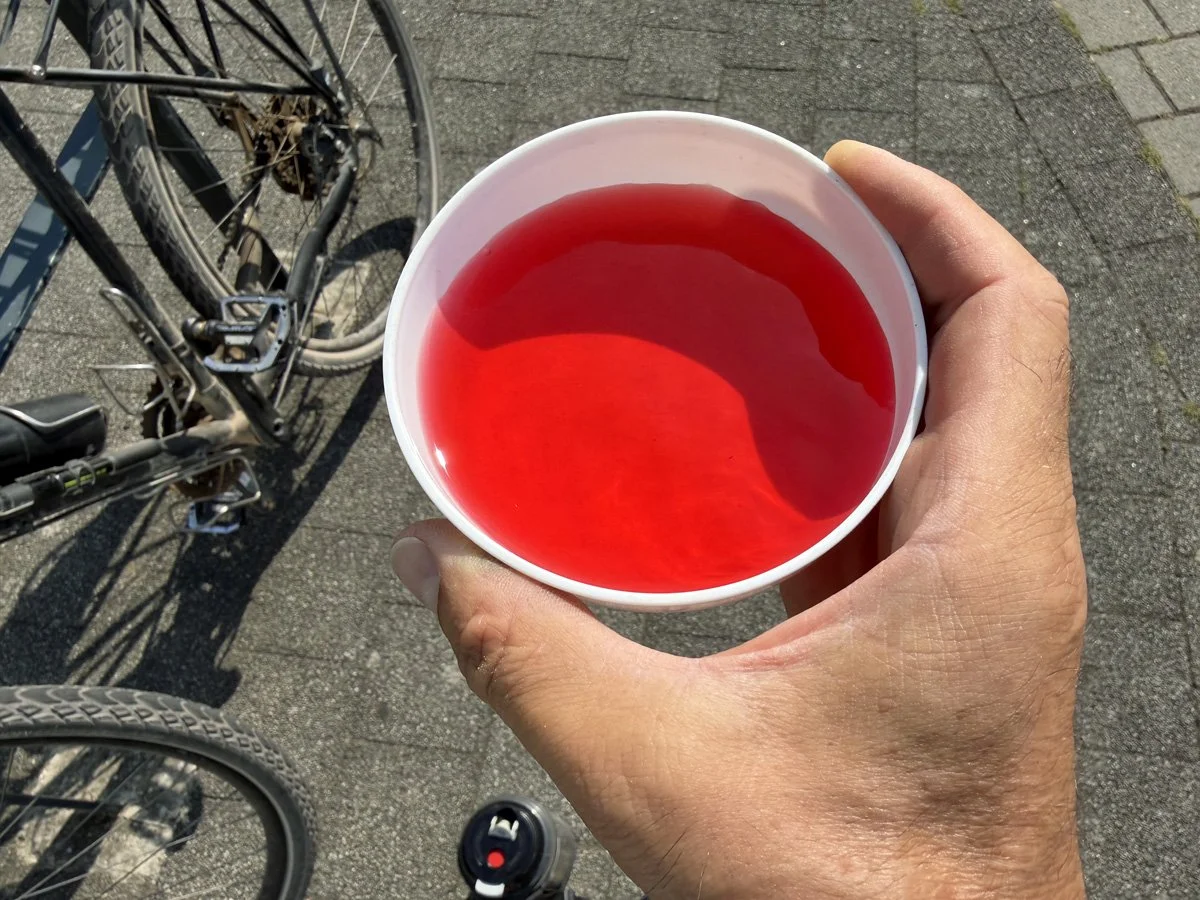
Cold-brew karkadeh
I made a cold-brew hibiscus drink, known as roselle in some English-speaking countries. Long before I learned the word hibiscus, I knew the Arabic name karkadeh (كركديه). In 1991, a truck driver prepared karkadeh for me in the desert of Kenya's Northeastern Province. I've never forgotten the word.
For the cold brew, I used one cup of dried hibiscus flowers for one liter of water. The flowers are intensely sour, so I added two tablespoons of sugar. Even then, the drink remained tart but very refreshing. The deep crimson color is entirely natural.
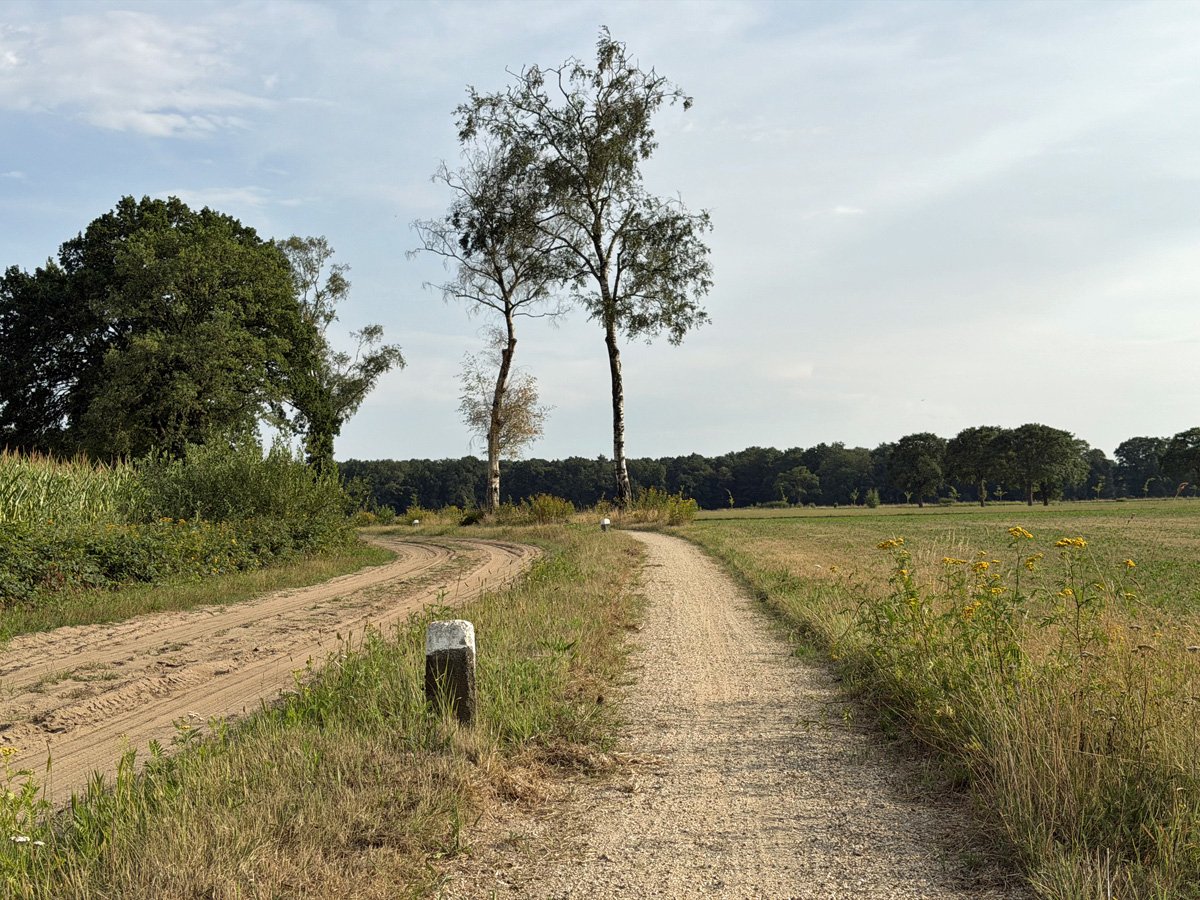
I spent most of my time on my bicycle — besides running in the morning and swimming in the afternoon. The area where I grew up is unique because the ruilverkaveling process (land consolidation) was never fully completed in this corner of the Netherlands. Most meadows are still quite small, and many dusty sand roads were never paved. In 2005, an area of 220 square kilometres around Winterswijk was designated as a National Landscape. It includes the Winterswijk hamlets of Miste, Ratum, Kotten, Brinkheurne, Woold, Huppel, Henxel, Corle, and Huppel.
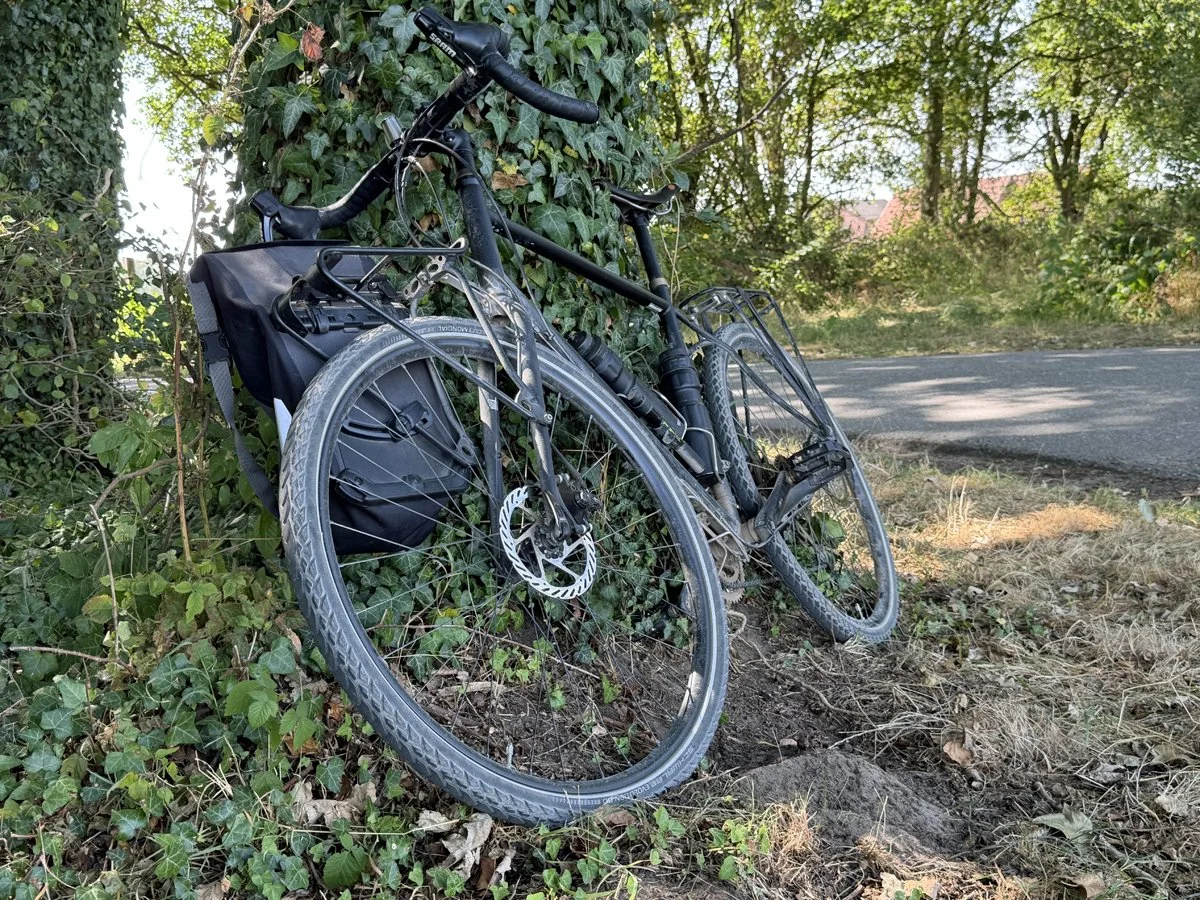
As a child, some of my happiest moments were spent cycling after finishing my homework, riding until dusk during the hot summer months. I hated winter — and I still do. Other happy memories are of playing outside in summer until I was soaked with sweat. I still enjoy that feeling.
My ideal temperature is around 34 degrees Celsius (93.2 degrees Fahrenheit) — a rather lonely preference in the Netherlands. Apart from one unpleasantly cool Friday, when temperatures dropped to 23°C, climate change did its thing, and most days reached 30°C or higher.
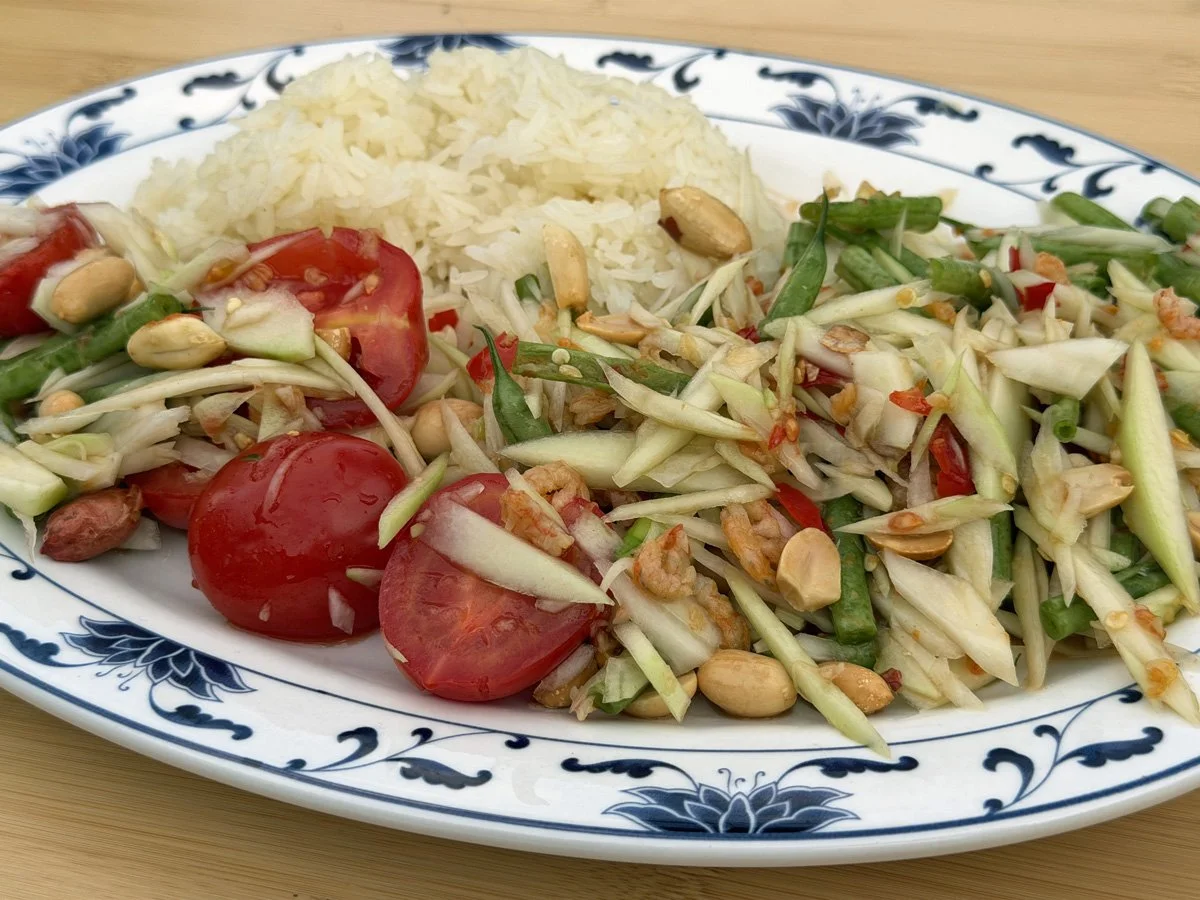
Som tam (ส้มตำ), my favourite Isan dish
I made another som tam with sticky rice and combined two types of fish sauce - one regular fermented (น้ำปลา / nam pla), and one thick fermented (น้ำปลาร้า / pla ra). The next day, I had some green papaya left over and turned it into an Indian dish. I simmered the diced papaya in a tomato masala: green papaya sabzi. I made many Indian dal with: chana dal, masoor dal, and urad dal. Since I didn't have ghee, each time I finished with a mustard oil tempering instead. Fresh curry leaves are easy to find in Amsterdam, but not here in the east.
I also had some haricots verts—the thin French variety of green beans—left over from the som tam (I couldn't find regular string beans). I turned those into a Greek-inspired breakfast. First, boil the beans and plunge them into ice water to stop the cooking. Then gently cook garlic in plenty of olive oil, add the beans, oregano, lemon zest, and lemon juice, along with a handful of fresh herbs such as parsley or dill (I used cilantro). Finish by sprinkling the dish with feta cheese and, if you have them (I didn’t), some pine nuts.
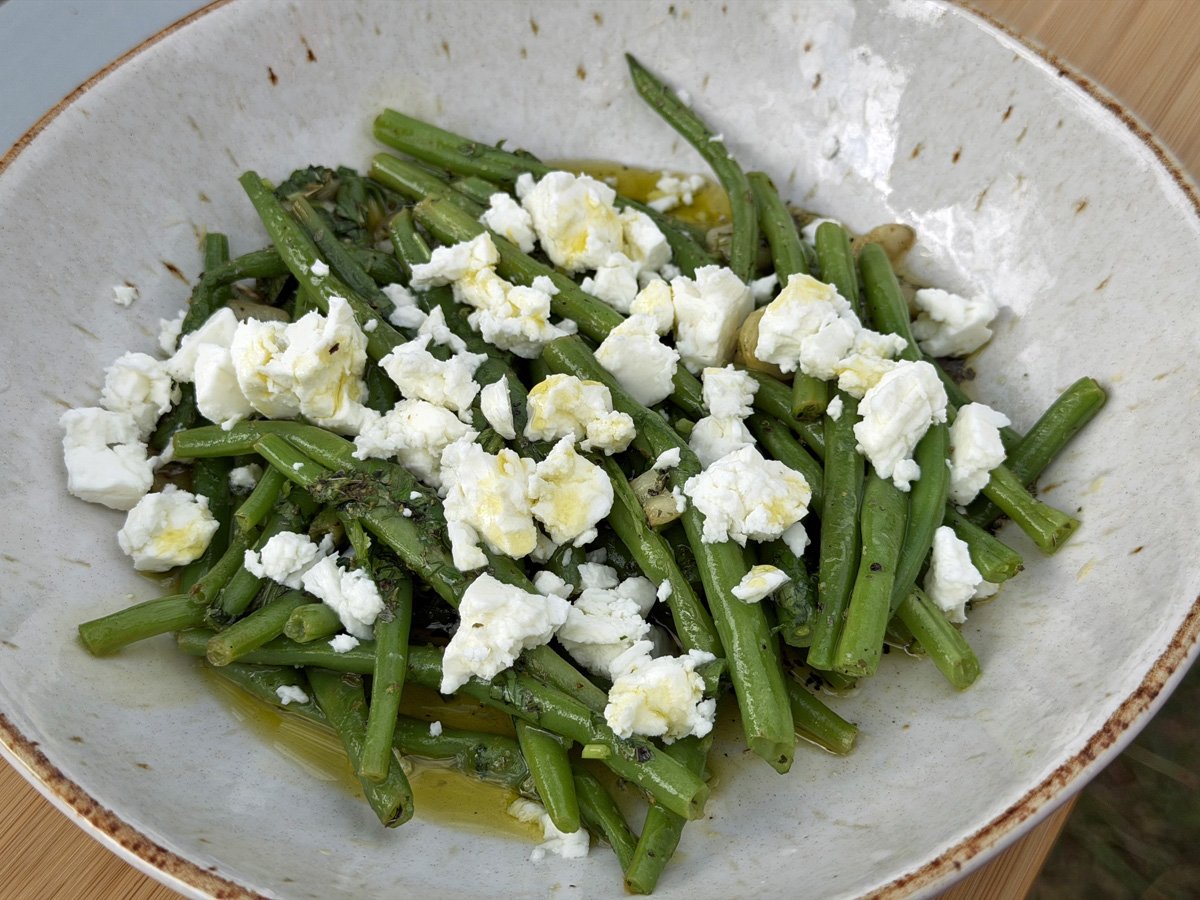
Φασολάκια με φέτα και λεμόνι
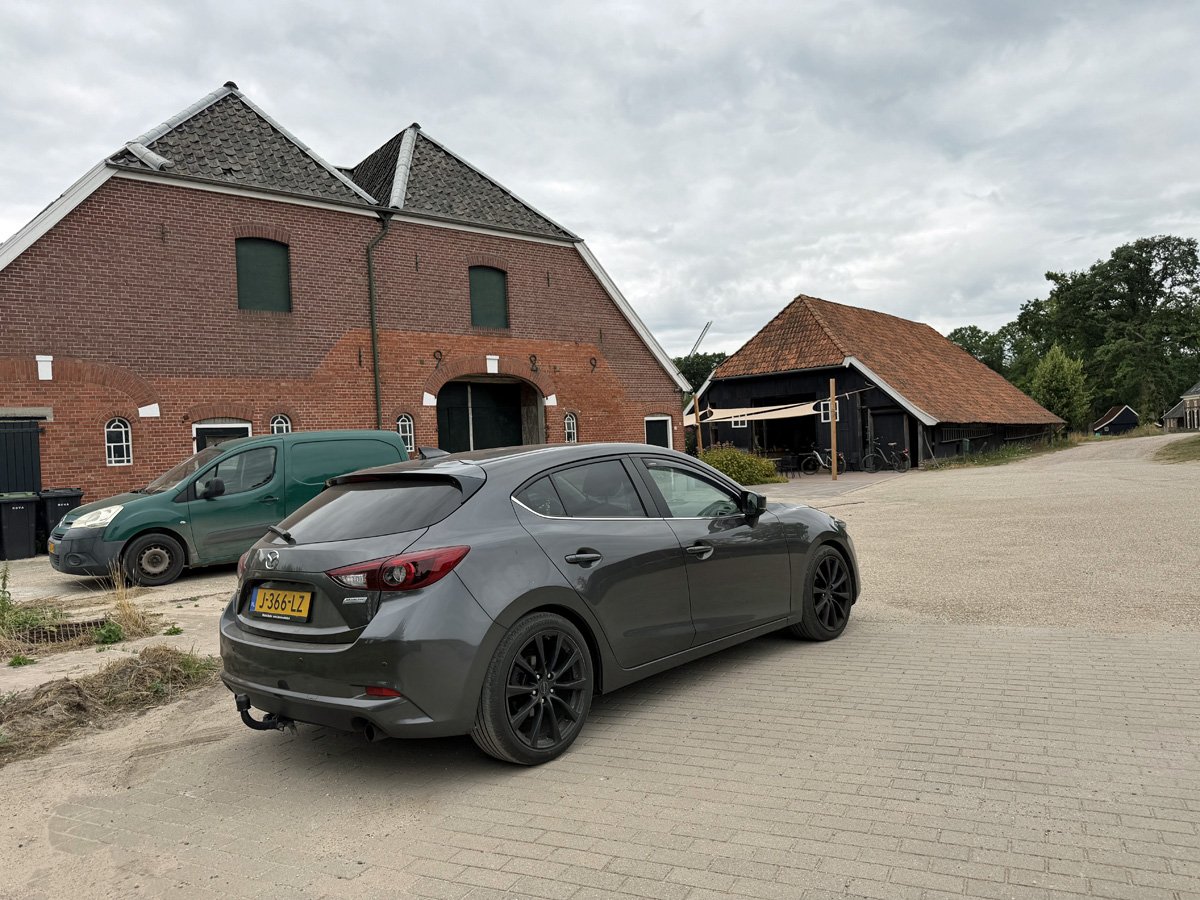
I preferred to use my bicycle for getting around, but whenever I needed to save time, I took the car. Driving on the narrow, winding country roads is great fun—you have to stay alert every single second. Too many trees to potentially hit.
I made Hopi's ital stew again: brown beans simmered in coconut milk with green bananas, vegetables, and the usual Jamaican aromatics—pimento, thyme, bay leaves, pepper, and scallions. This time, I added some salt fish to the pot.
Hopi is the “coffee Rasta” I met in Jamaica's Blue Mountains. During my stay, I watched him prepare every meal from his kitchen, learning his recipes along the way. Ana Patwa, dem nuh use apostrophe. Dem dash weh di apostrophe, so mi fi call dis stew: Hopi stew.
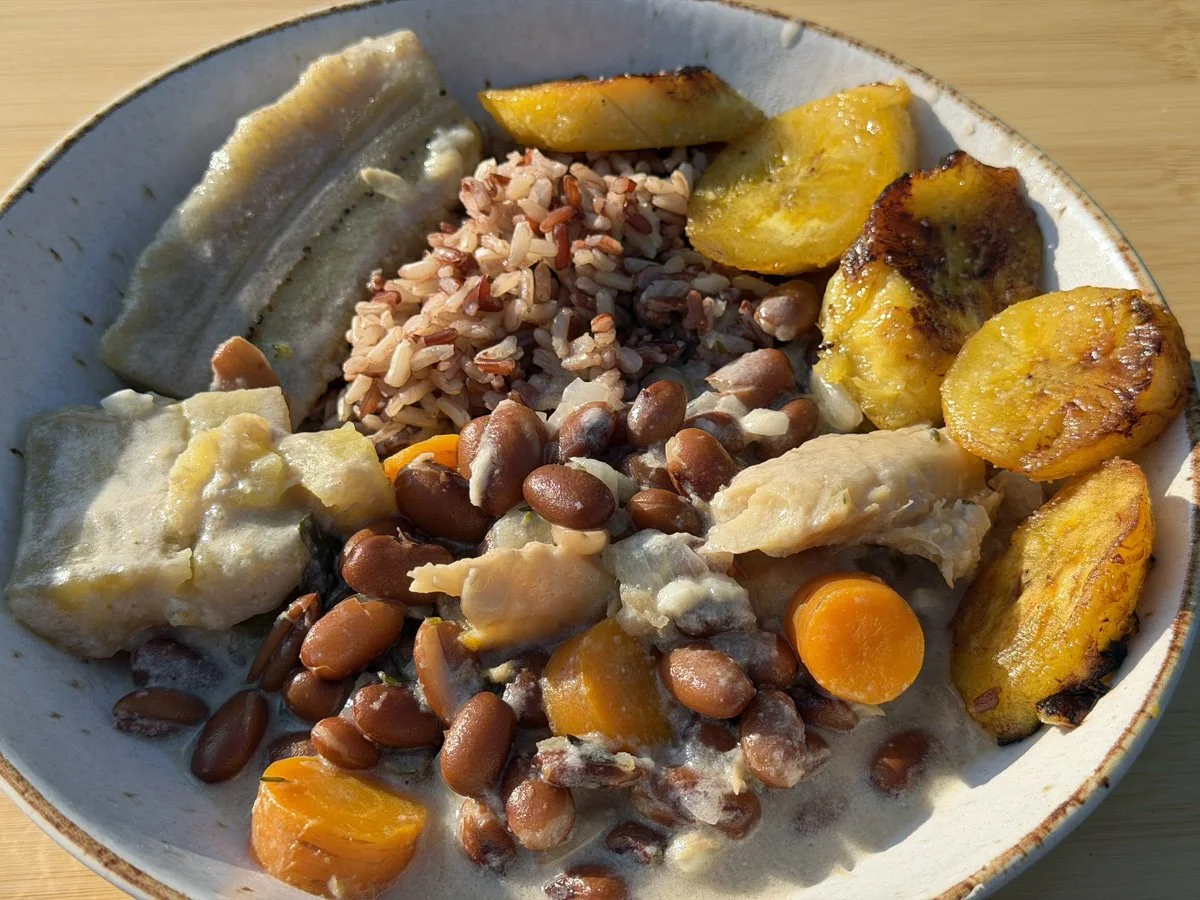
Hopi stew
When yuh a cook up Jamaican food outa di yaad, yuh haffi own a good cutlass — one tool fi everyting: fi open coconut, fi weed di yard, or fi chase weh any dutty intruder.
I love Patois. The language has a relatively small set of highly flexible words that can carry many meanings depending on context, tone, aspect, and pronunciation. So, instead of relying on verb conjugation, particles indicate the aspect. Compare: “Mi a eat”, “Mi done eat”, “Mi a go eat”, “Im ben done eat”, meaning in the same order: “I am eating”, “I have eaten already”, I'm going to eat.” and “He (or she) had already eaten.”
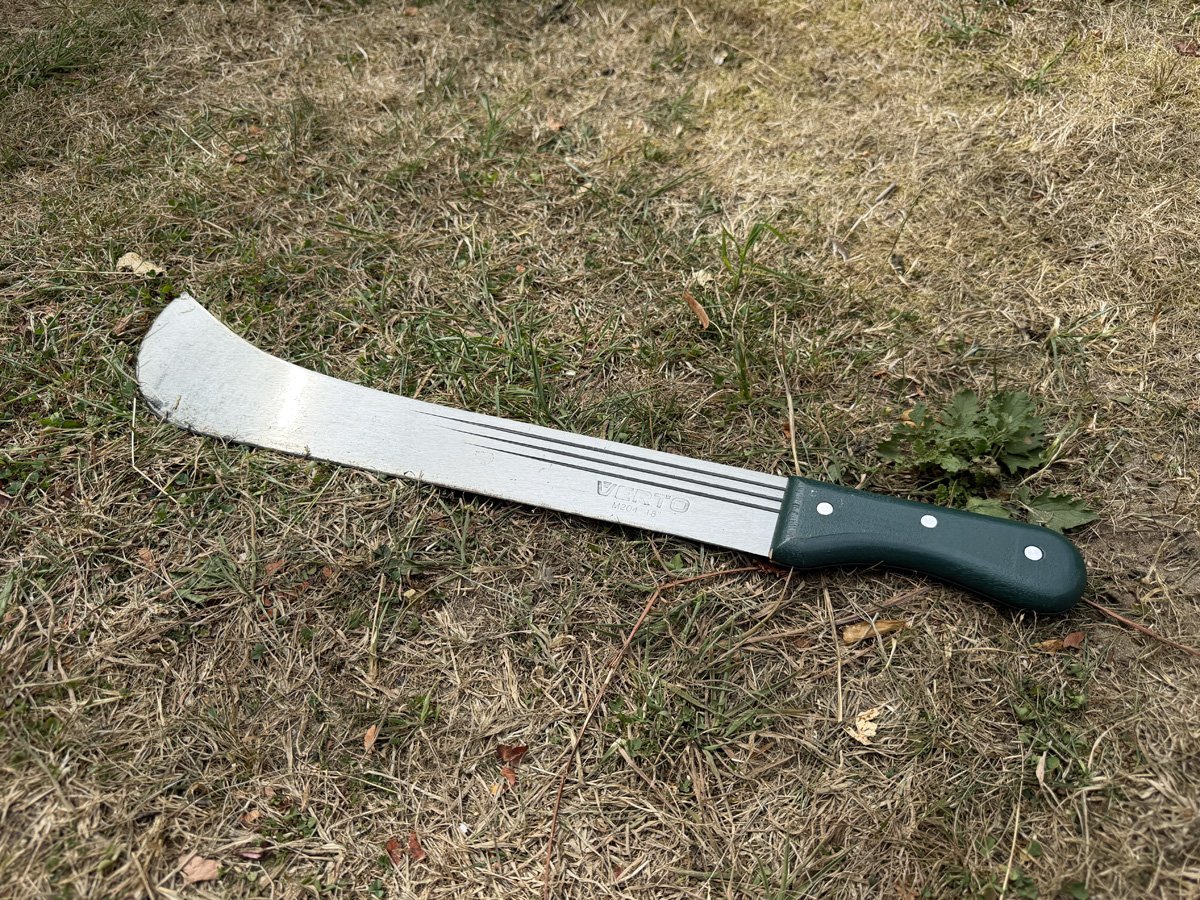
My cutlass, not sure what I can do with it in Amsterdam
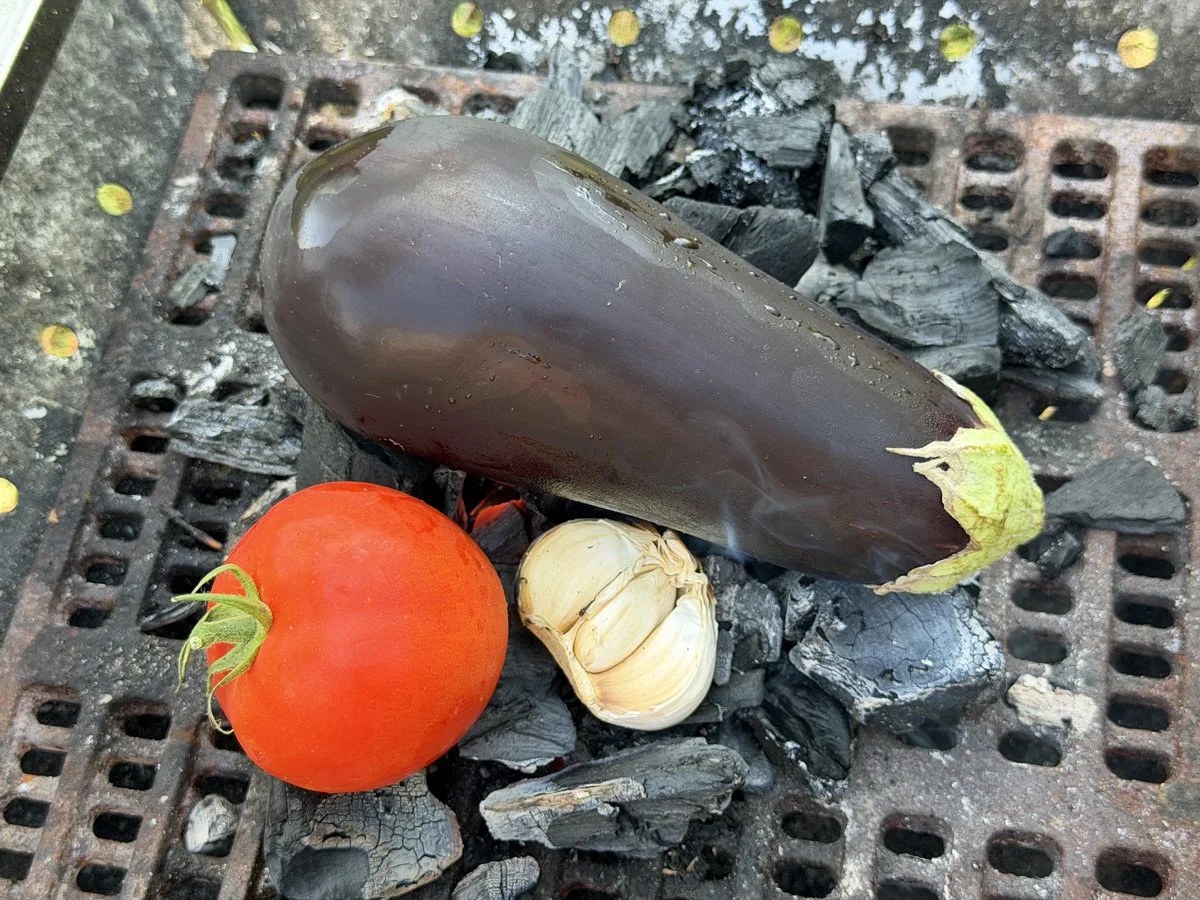
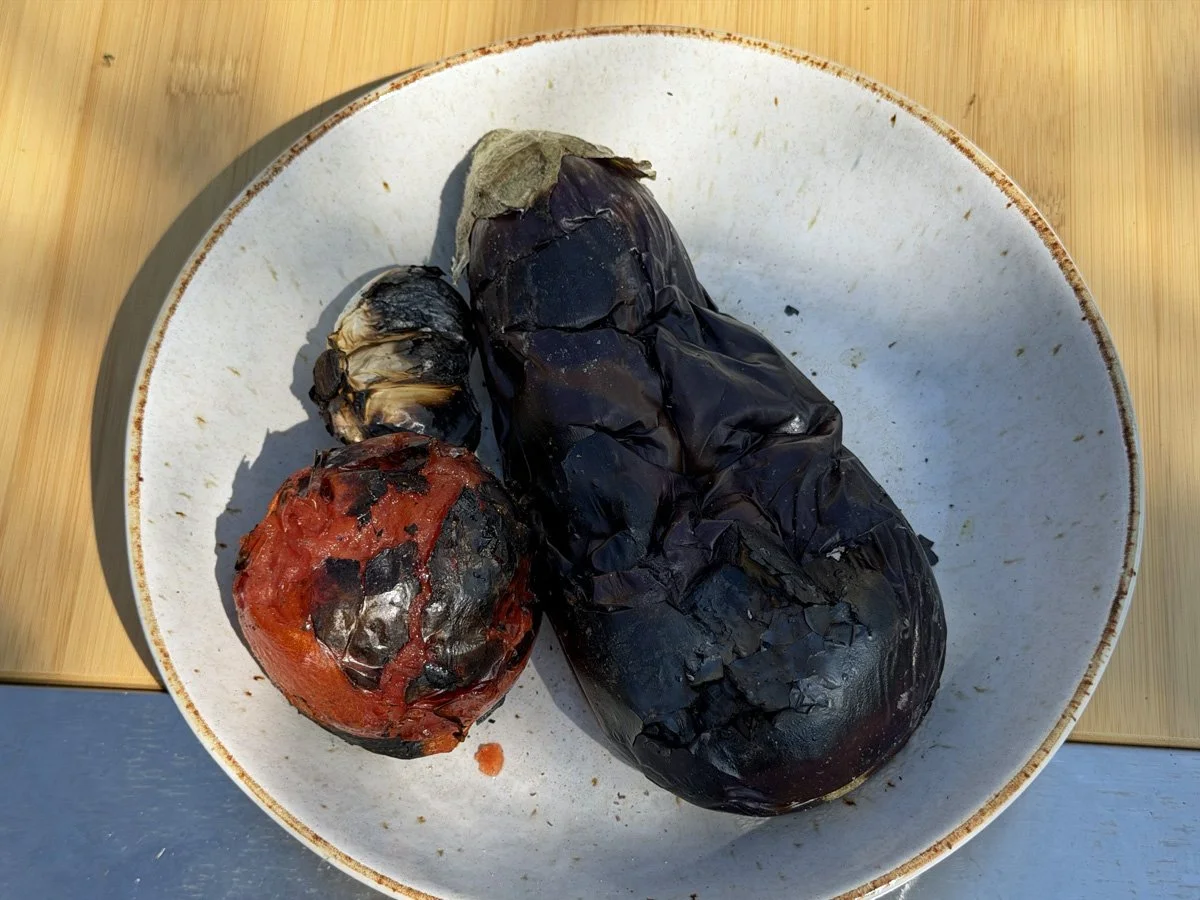
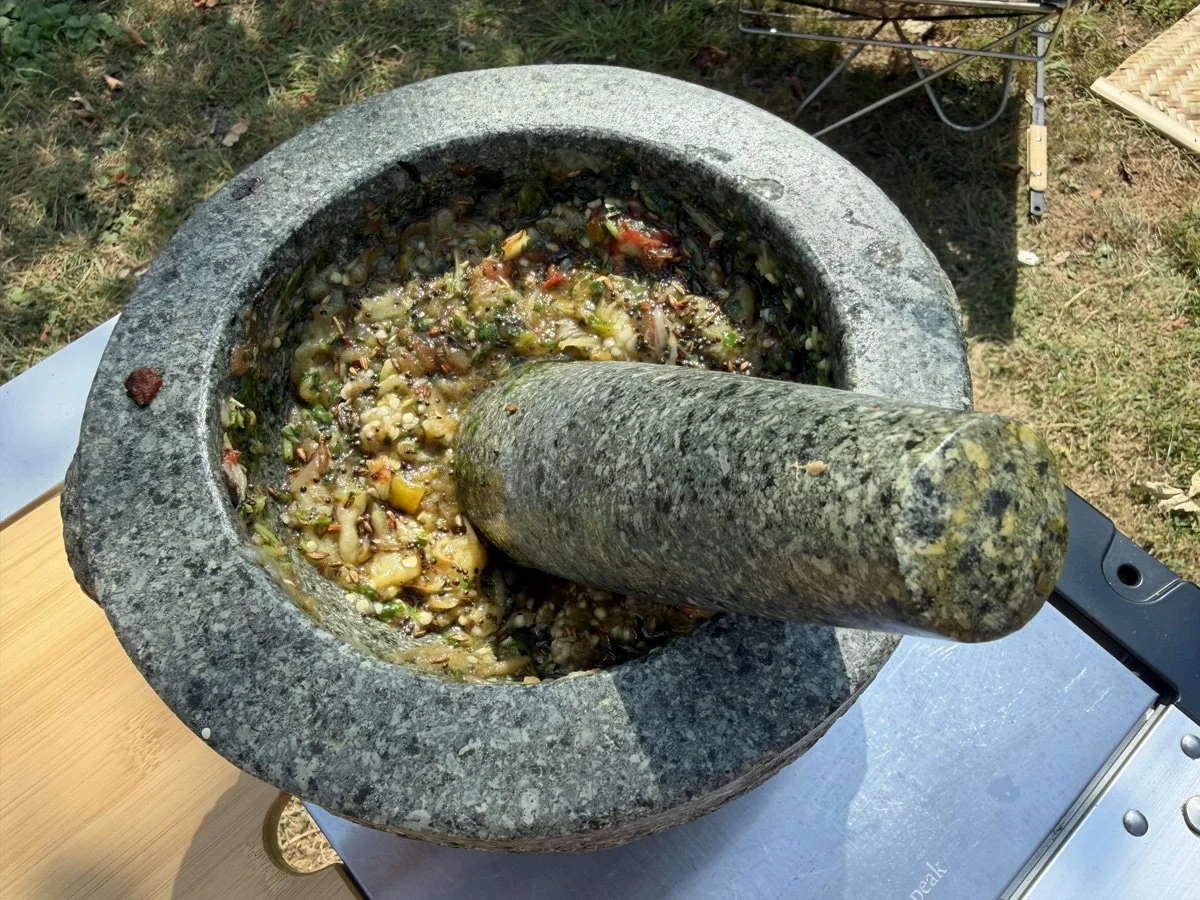
I made Indian charcoal-roasted eggplant with a mustard oil tempering. This is one of the oldest cooking methods imaginable: simply place the eggplant, tomato, and garlic directly on hot embers and roast them until they are soft inside and charred on the outside. Our ancestors may have cooked this way for as long as two million years, although the earliest strong evidence for controlled cooking dates to about 780,000 years ago—long before the invention of clay pots around 20,000 years ago.
Scrape the flesh from the roasted vegetables and mix it with chopped cilantro, green chilies, and fresh garlic. Then pour over a hot mustard oil tempering. I usually flavor the tempering with cumin seeds, mustard seeds, sliced garlic, and green chilies, although you can add other spices as well.
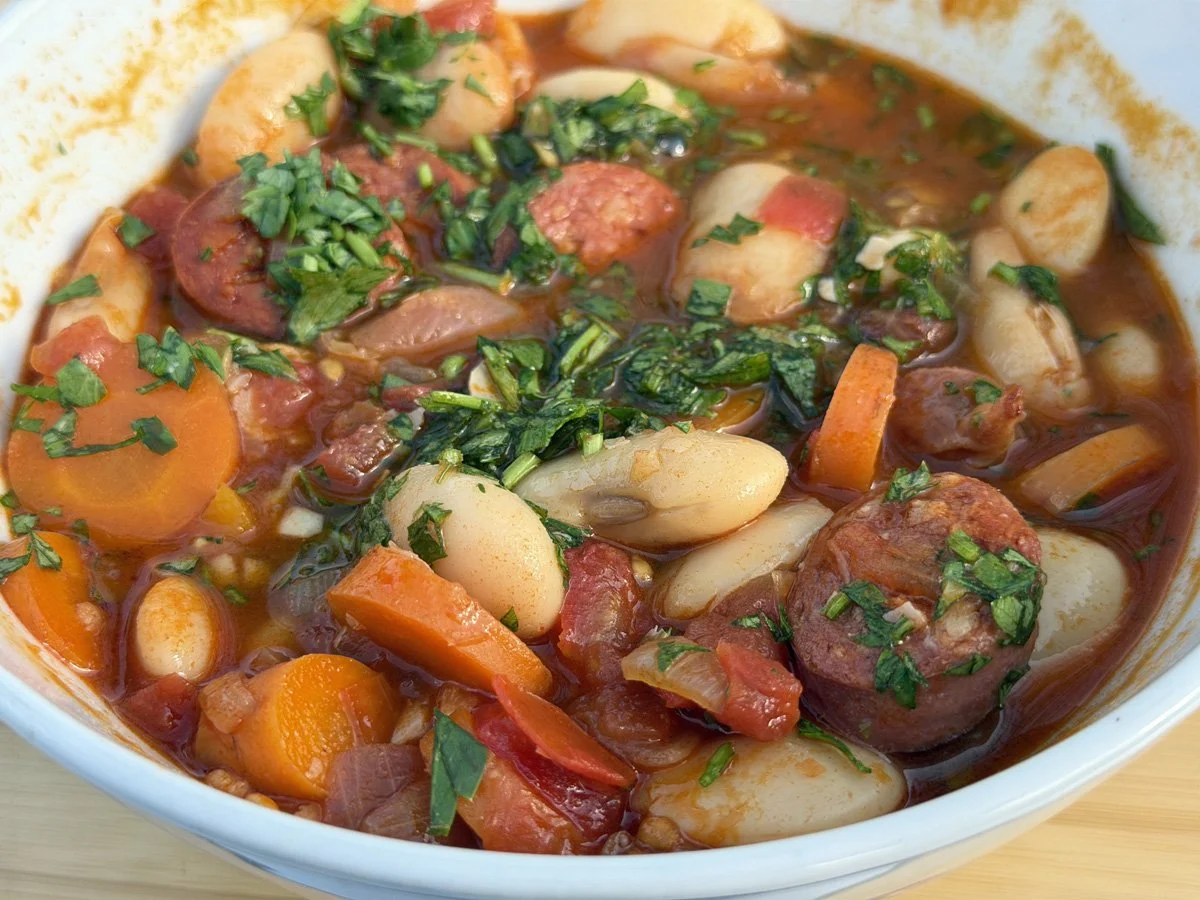
I made a Spanish fabada asturiana with large white beans. I added carrots, spicy chorizo, and smoked paprika. The cooking method is simple: first, fry the chorizo over low heat until it releases all of its flavorful oils. Then, cook the onion, carrot, and garlic in the bright red chorizo oil. The beans, of course, are boiled separately before being added to the stew.
Most days, I drank acqua e limone. In Naples and Sicily, I found this humble summer drink sold by street vendors. It’s a summertime favourite precisely because it’s so simple to make, although I did buy a dedicated aluminium lemon squeezer—colour: lemon-yellow, of course.
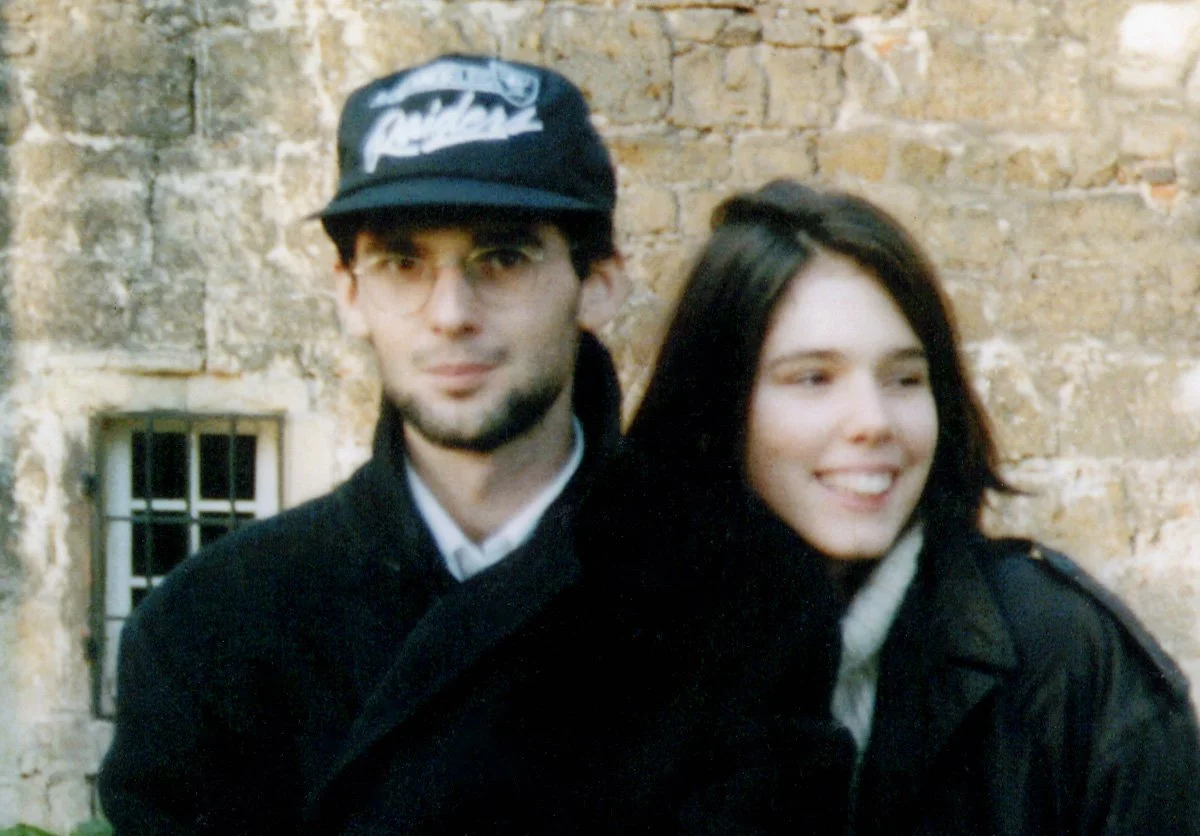
In 1992 this LA Raiders cap wasn’t vintage. The cap makes me look like a 90s Indy film director and my sister looks like a movie star.
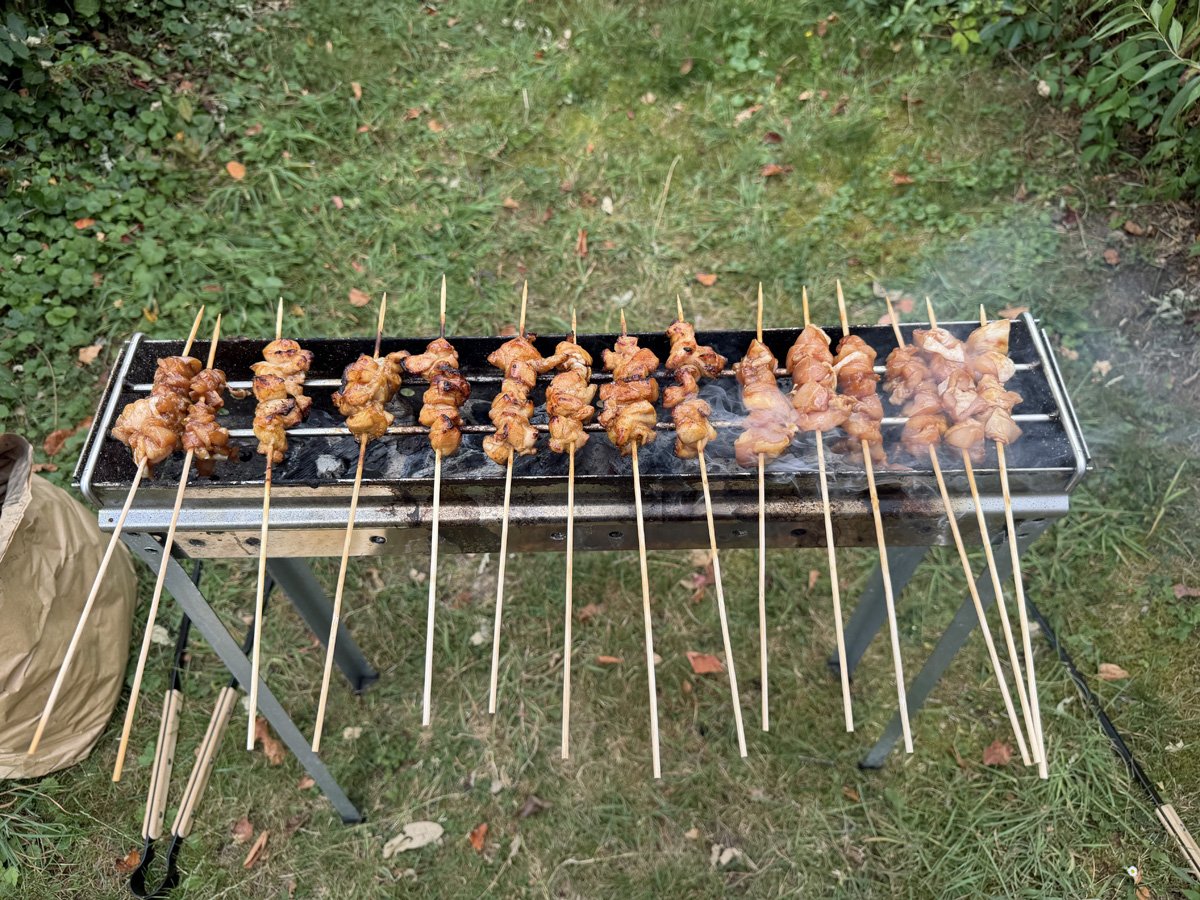
One day my sister came to visit to divide the contents of the estate, so I made Indonesian satay with a peanut sauce from scratch for lunch. Of course, I also made my own simple acar with carrot, onion, cucumber, ginger and chilli. It was a good opportunity to finally use the full length of my satay grill. I don’t buy my chicken thighs from a Dutch butcher, but rather from an Asian store, because they include the chicken skin. You need that fat for a good satay.
For the same reason, I don’t buy pork belly from a Dutch butcher either. And finding 100% pork mince can also be a problem. It’s either beef or half beef and half pork. Asian recipes often call for 100% minced pork. Saturated fats are spectacularly unhealthy, so I’ve greatly reduced my meat intake. On the few occasions when I do eat meat, I want it to taste good. And maybe I’ll cut it out altogether in a couple of years. I’ve always been suspicious of habits. Life changes, and that’s a good thing.
That evening I had nothing prepared, so I simply finished the leftovers from the fridge. To my surprise, they came together to make a remarkably luxurious meal. I did make a simple sambal matah, the fresh raw sambal from Bali. Since I didn't have any lemongrass, I improvised with rawit chilies, garlic, trassi, finely sliced lime leaves, salt, and hot coconut oil.
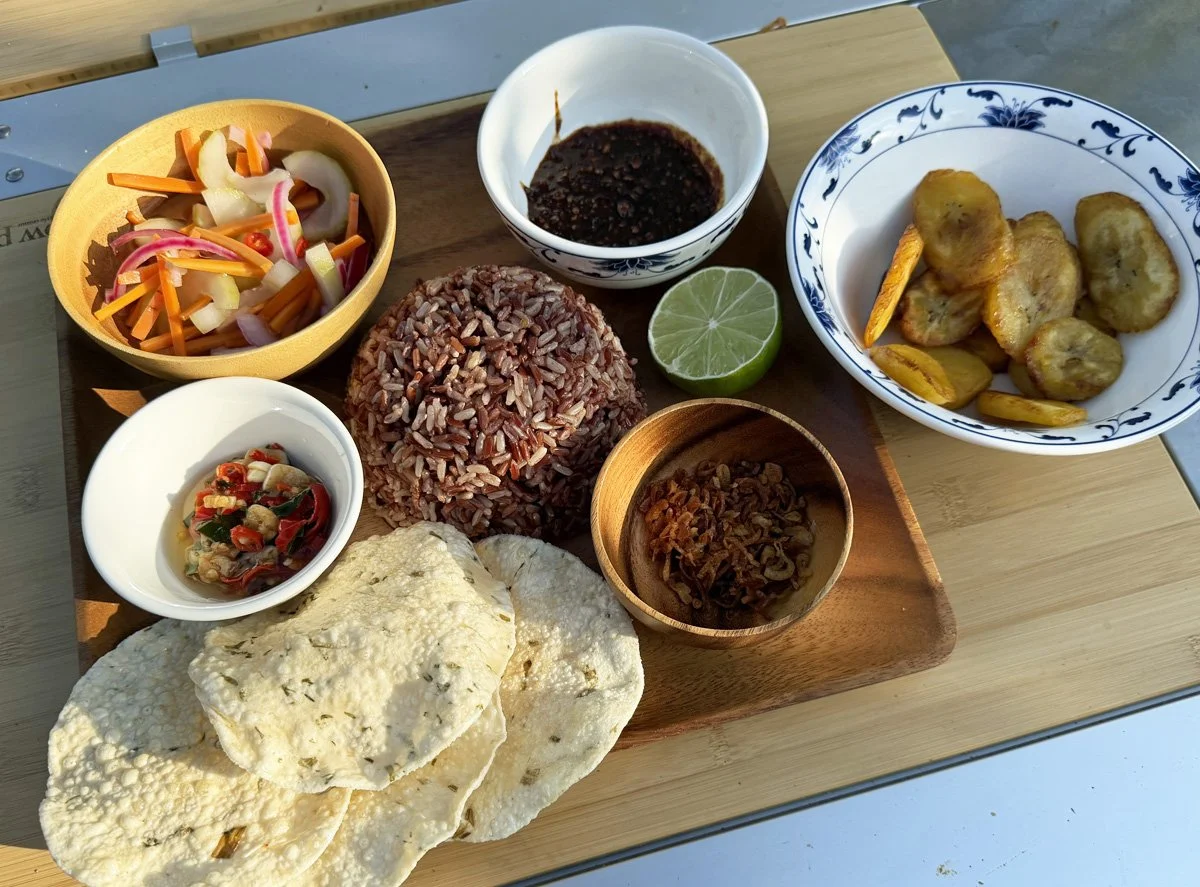
A cool find at the thrift store for just €3.50. Next week I'll be processing all my Mexican dried chilies—ancho, guajillo, pasilla, and mulato—so I figured I needed an appropriate straw hat for cooking in the sun.
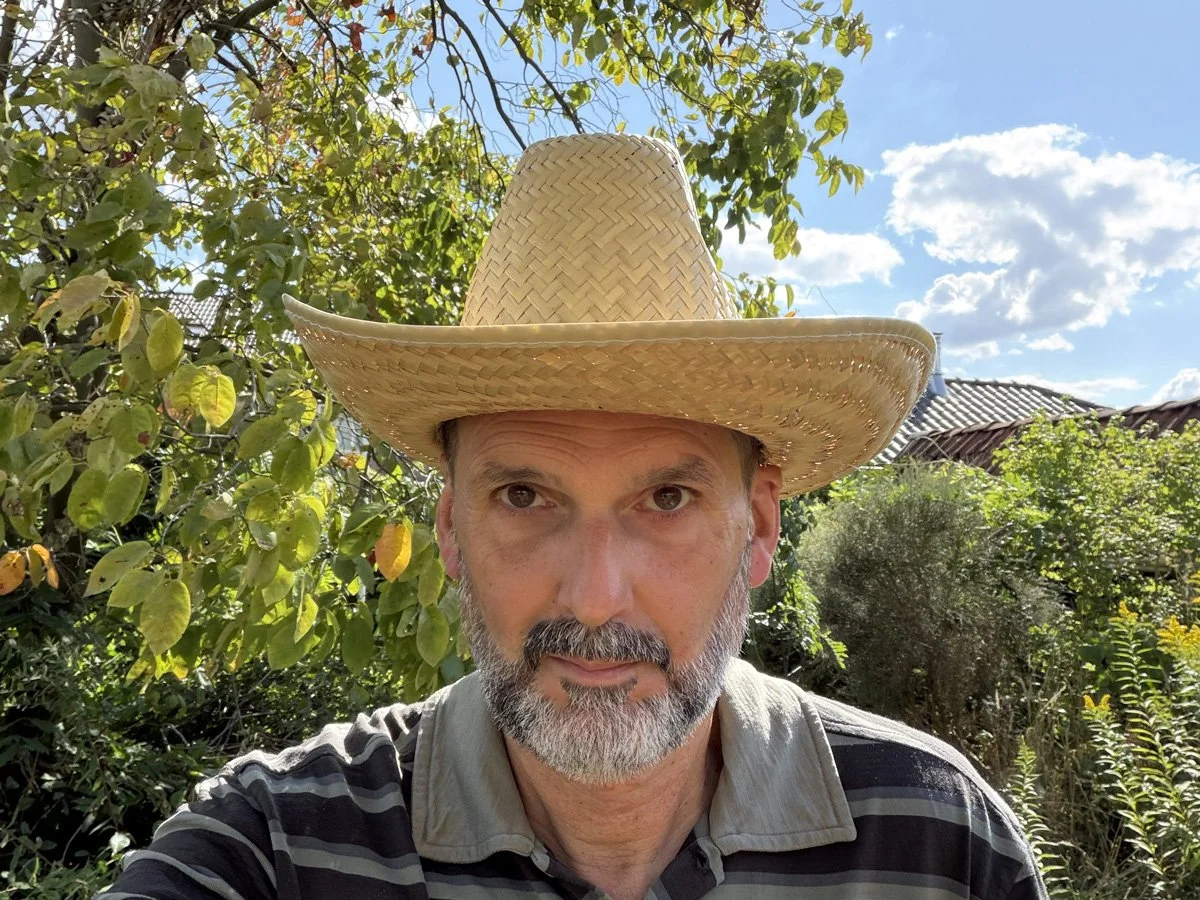
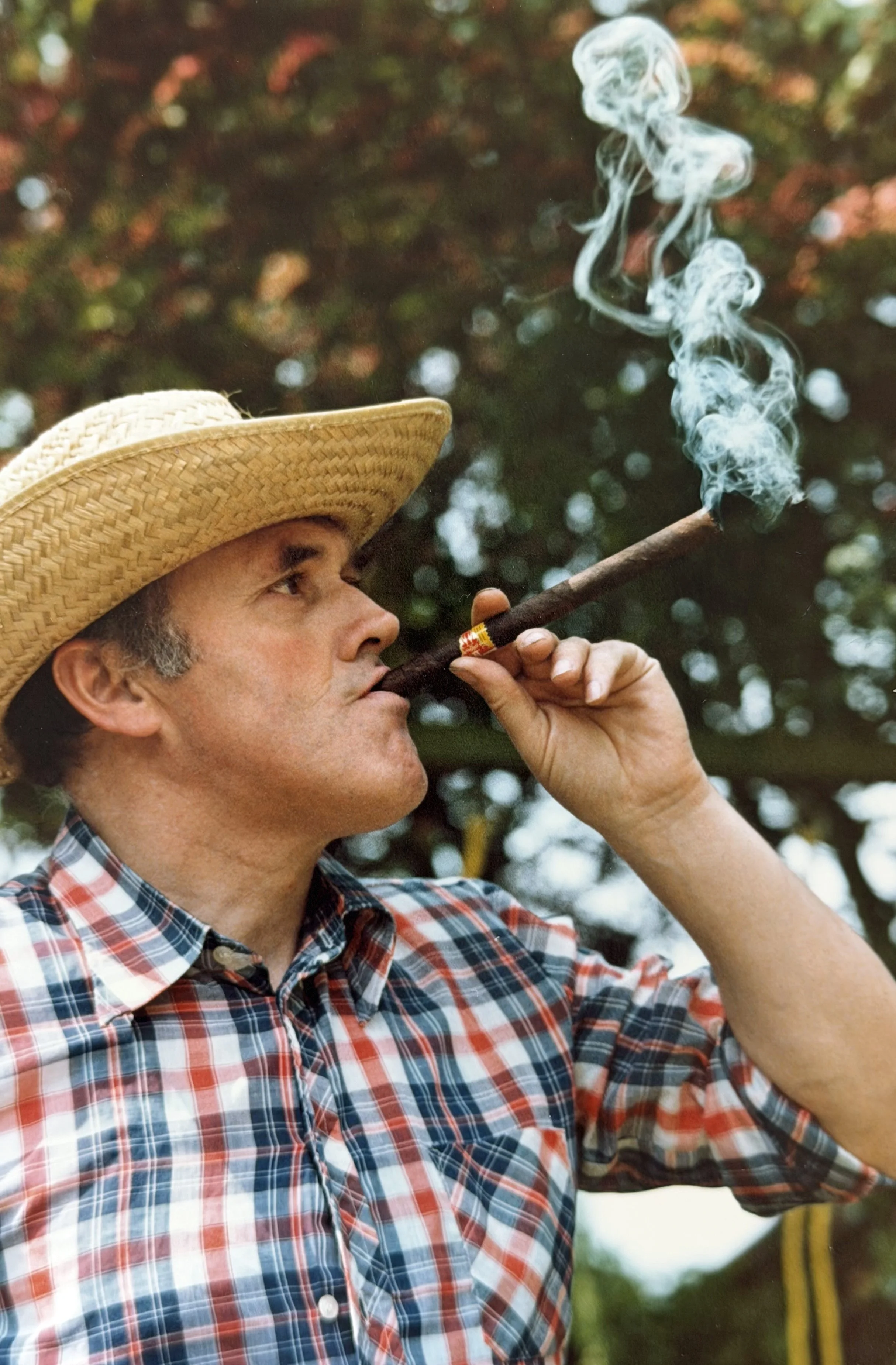
Buying the hat wasn’t a random act. My father used to own a similar straw hat, although his had a lower crown. His hat was too small for my head, so I had to get rid of it a couple of years ago. Now I have one of my own. But starting to smoke cigars isn’t a 2026 thing.
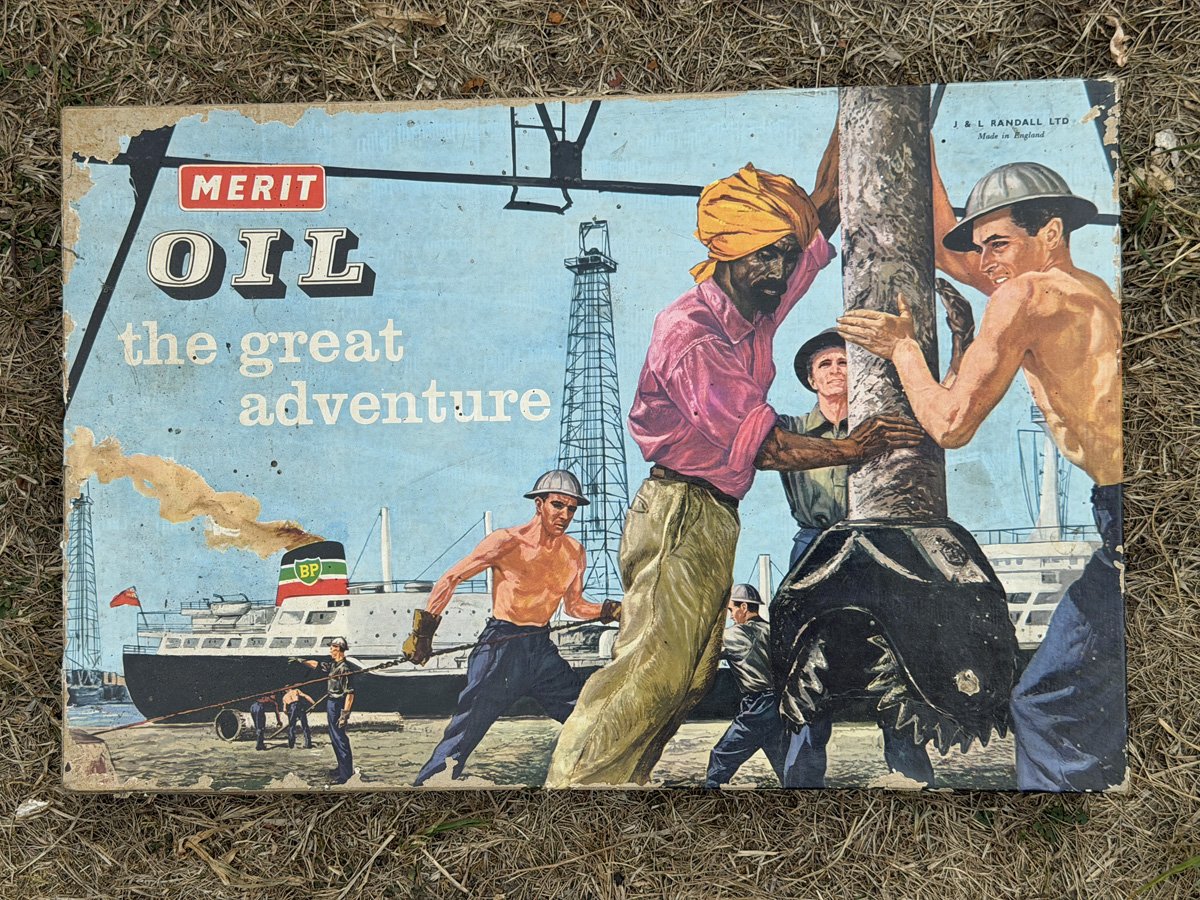
I was happy to find my favourite board game from my childhood. I discovered it in the very last part of the house that I hadn't cleared out yet, after four years. I had convinced myself that we had played it so often it had fallen apart and been thrown away.
The 1960s game is in English, which was quite a challenge when I was in primary school and hadn't learned the language yet. It's similar to Monopoly, but with oil tankers, paper oil concessions and little plastic derricks.
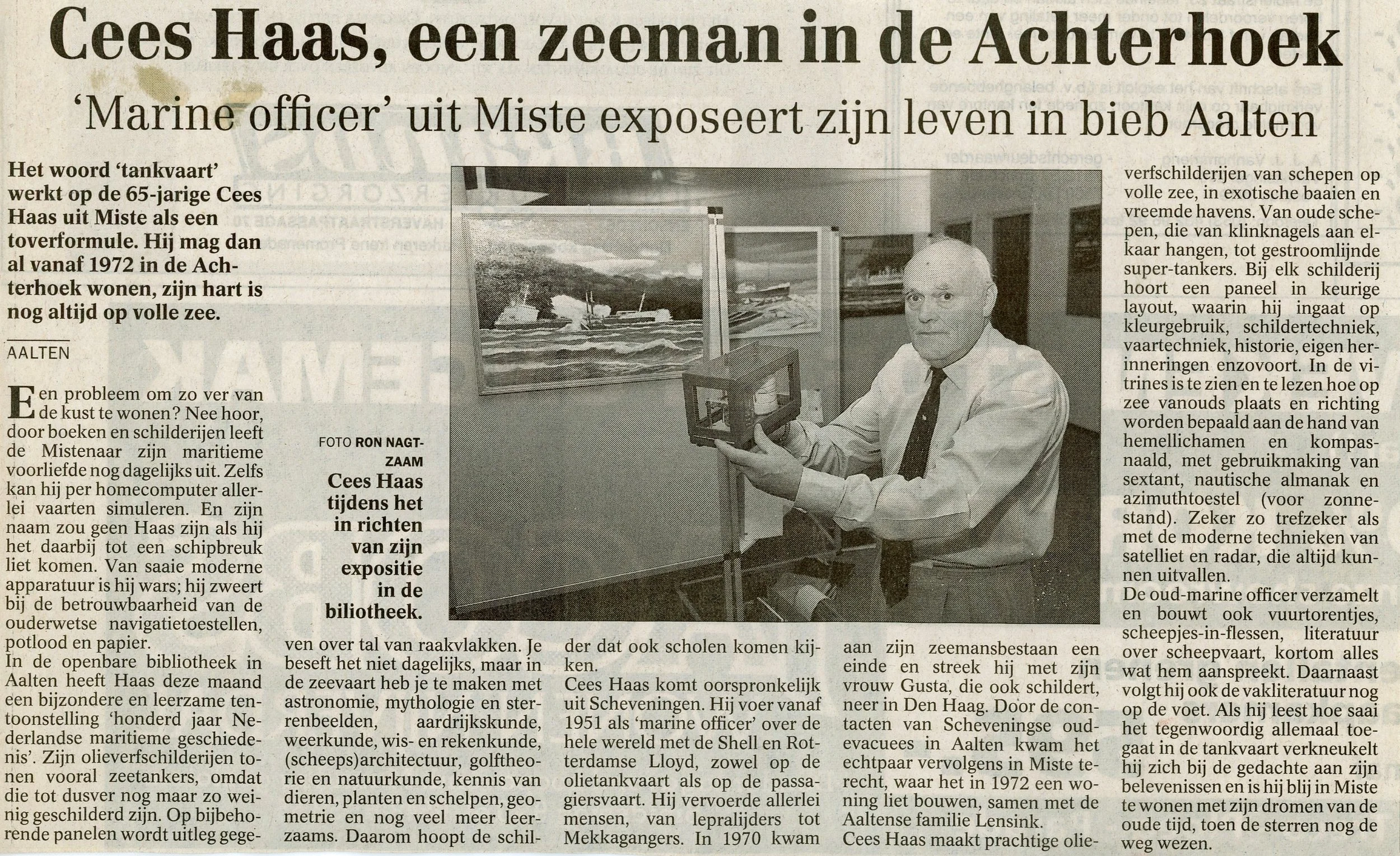
Of course, my father made it into the local newspaper when he exhibited his oil paintings of tankers at the local library. Being the teacher, he didn't simply exhibit the paintings; he also wrote texts to put them into context, going so far as to draw on Greek mythology. Some of the paintings are examples of magical realism, while others simply depict Shell tankers.
All of these paintings now belong to my sister and me as part of the estate.
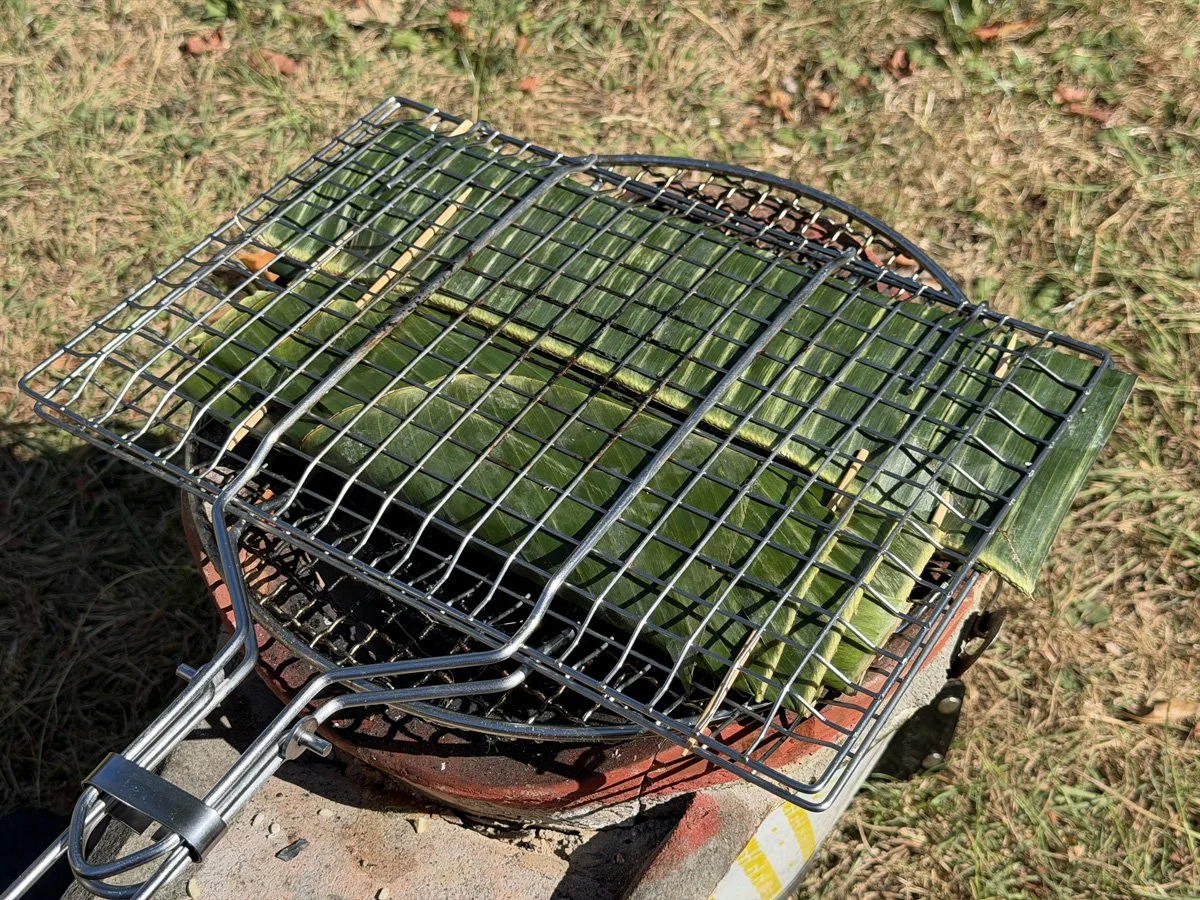
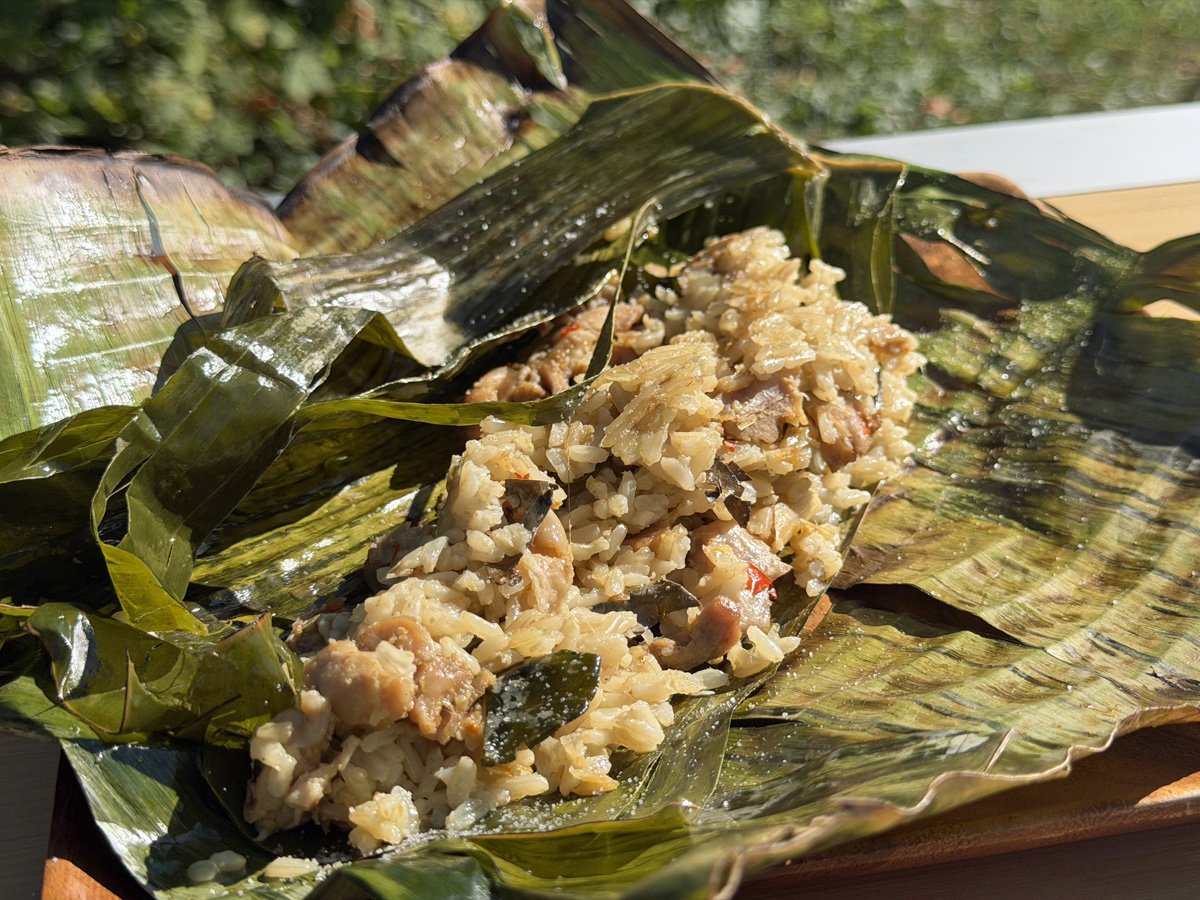
Nasi bakar means “grilled rice.” It is surprisingly easy to make.
First, cook the rice in coconut milk with pre-fried aromatics—shallot, garlic, galangal, lemongrass, kaffir lime leaves, and bay leaf. While the rice is cooking, season chicken thighs with coriander powder and salt, then fry them until cooked through. Shred the chicken.
Next, make a boemboe from shallot, garlic, candlenut, and red chili. Fry the mixture, then add lemongrass and kaffir lime leaves. Once the aromatics are fragrant, add the shredded chicken and mix everything together.
Then take a banana leaf and layer rice, the chicken mixture, and another layer of rice on top. Wrap it into a neat package. Adding fresh lemon basil leaves makes a difference, but unfortunately I couldn't find any.
Finally, grill the packages over charcoal for about 20 minutes.
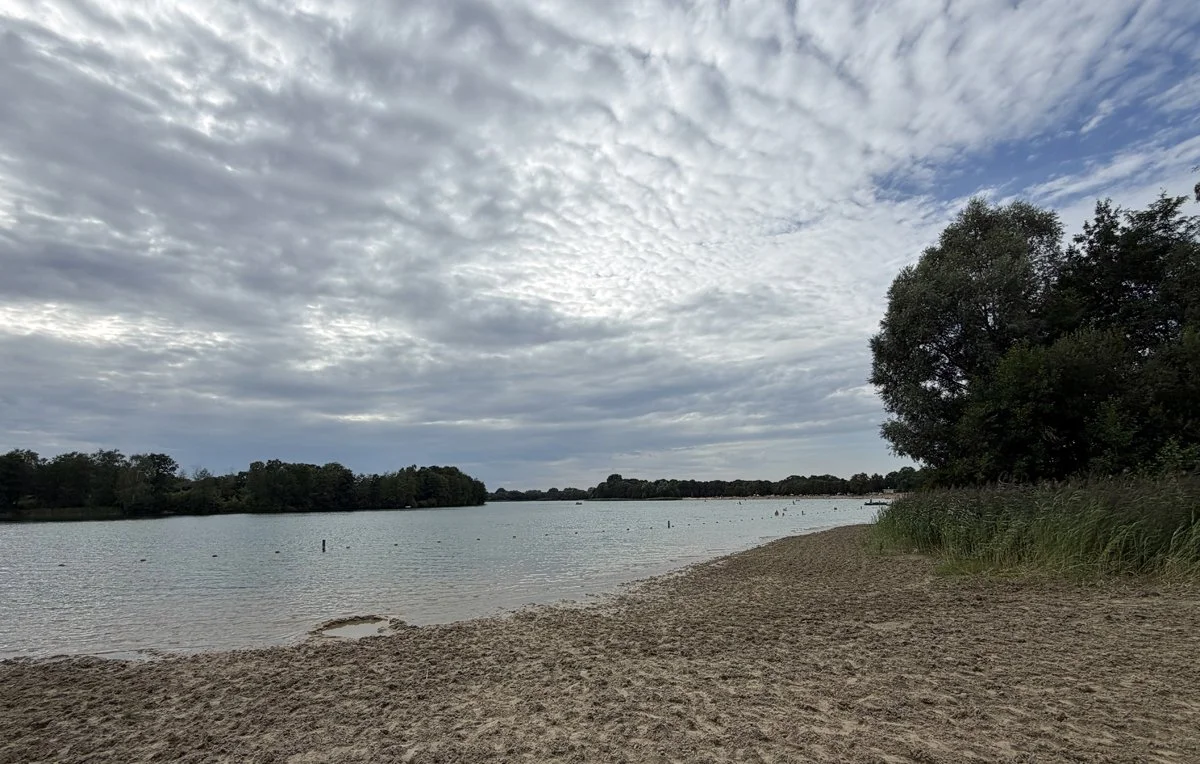
Almost every day, I visited Het Hilgelo for a swim. The lake was created through sand extraction, so it is not natural, yet it feels natural. One secluded part is designated as an FKK beach, short for the German term Freikörperkultur. I love this area because there are no screaming children with inflatable crocodiles or loud music—even though I love loud music myself. Most visitors are German, perhaps because Germany has a deeper FKK culture. The Dutch are generally more prudish.
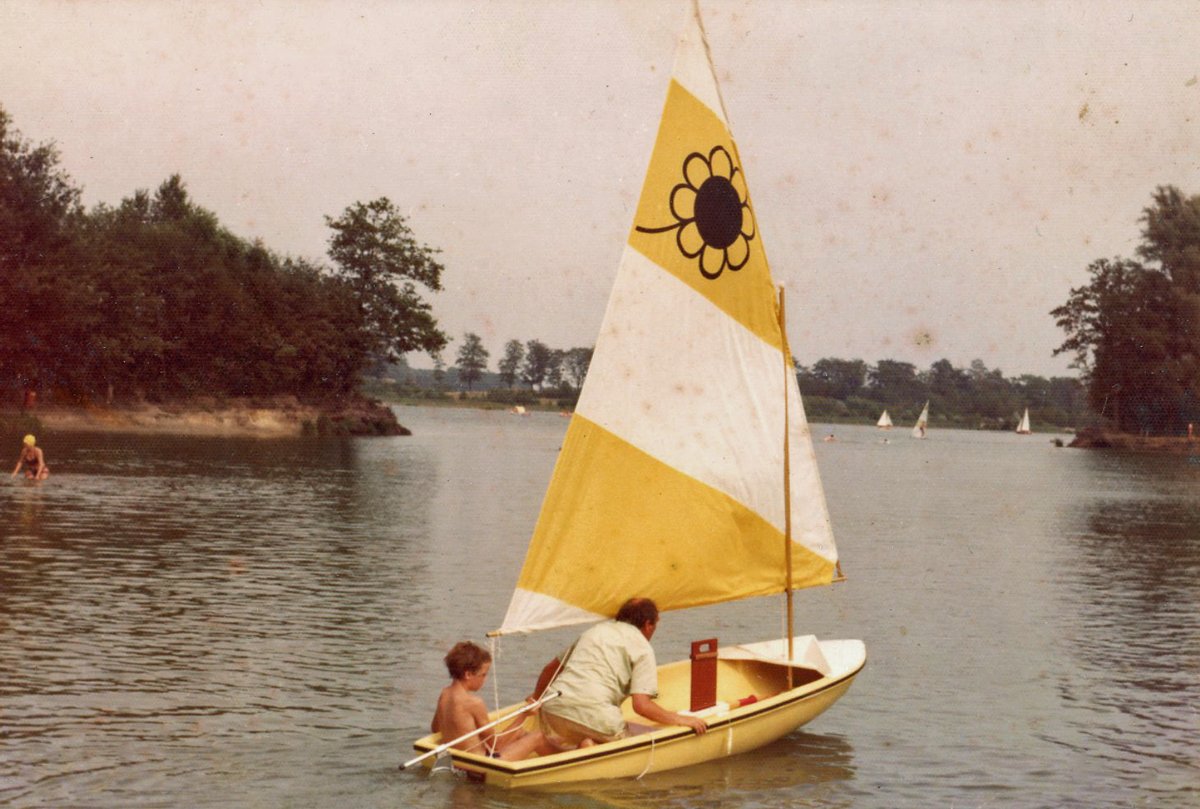
In the 1970s, my father bought a little sailing boat. I am not sure whether he wanted to teach us how to sail or whether he simply enjoyed sailing himself. If it hadn’t been for my mother’s decision to commission the building of the house in Miste, my father would have lived near the sea. His first choice had been to become a pilot, but that wasn’t feasible in the 1940s, so he became a sailor and spent more than two decades sailing the world’s oceans. After the accident, he was officially dismissed from Shell Tankers in 1975.
Het Hilgelo
Pasilla chile
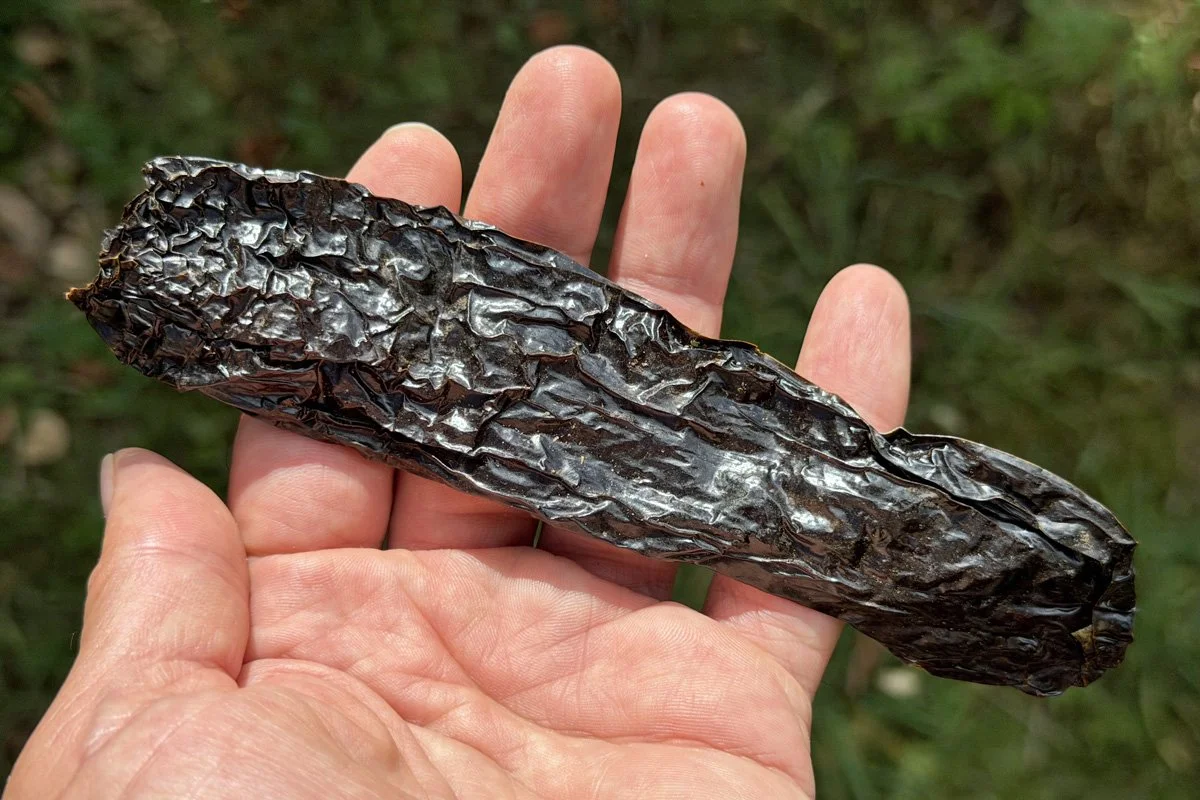
Sometimes I cook recipes out of curiosity rather than with the intention of making a dish a staple in my diet. I bought a variety of Mexican peppers because I had a feeling they held the secret to Mexican cuisine. Today, I made a sauce using the pasilla pepper.
Fresh, this chili is called chilaca. It isn’t particularly hot—in fact, it ranges from only 1,000 to 3,999 SHU. I found a simple recipe called carne de puerco en salsa de chile pasilla. The whole process takes about two hours.
I started by frying chunks of pork shoulder until nicely browned, then removed them from the pot. I deglazed the pot with a little water—although stock would be even better—and returned the pork to the pot with a bay leaf. I left it to simmer gently while preparing the sauce.
For the sauce, I first toasted the pasilla peppers for about a minute, just until they became pliable and fragrant. I then soaked them in water for 15 minutes. The aroma reminded me of Chinese oolong tea. It’s difficult to describe—deep, earthy, smokey, intoxicating.
Meanwhile, I charred the onion, tomato, and garlic until blackened. I drained the chilies and blended them with the charred vegetables, some dried Mexican oregano, cumin seeds, and a little of the chili soaking water. I blended everything until completely smooth and quite watery.
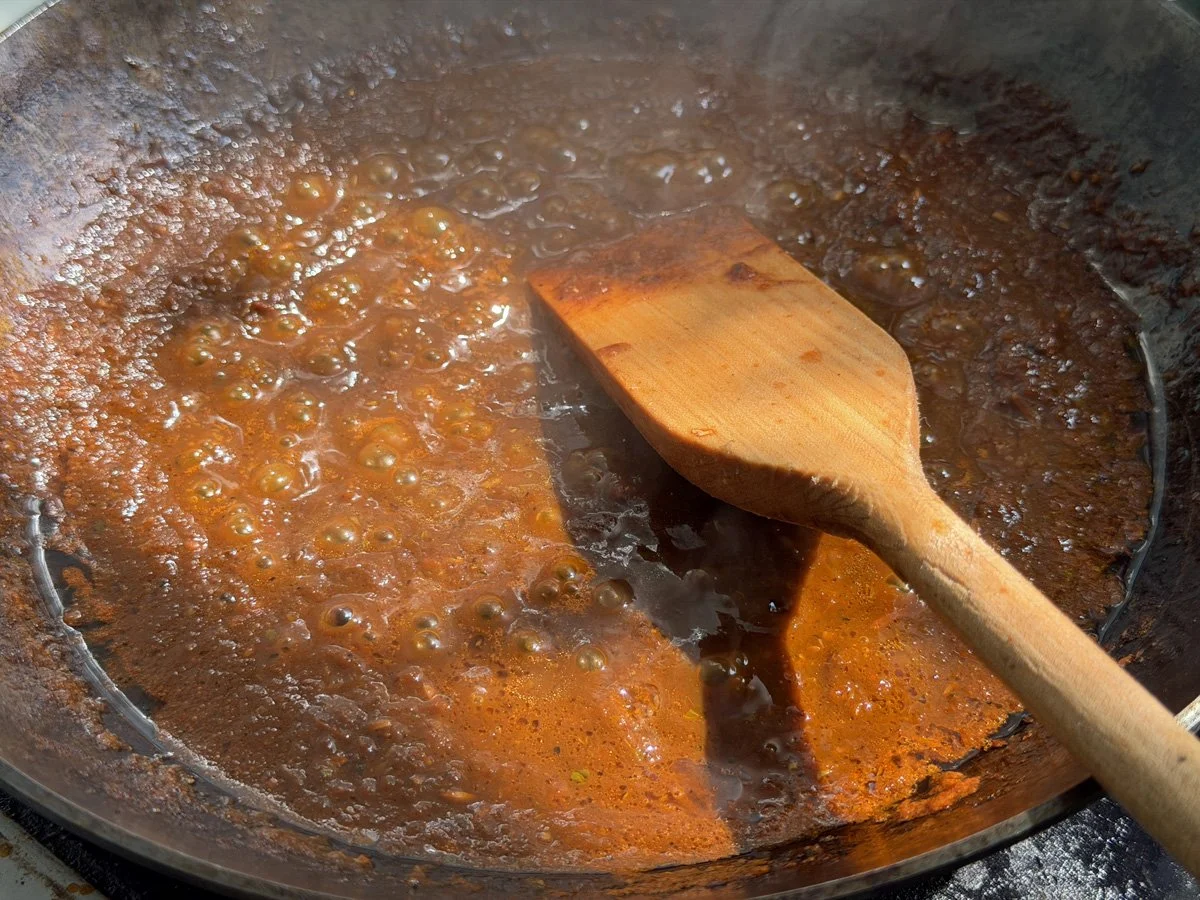
I then fried the sauce in a little oil for about 10 minutes, allowing it to reduce and deepen in flavor. Finally, when the pork was almost tender, I added the sauce to the pot. I also added carrot.
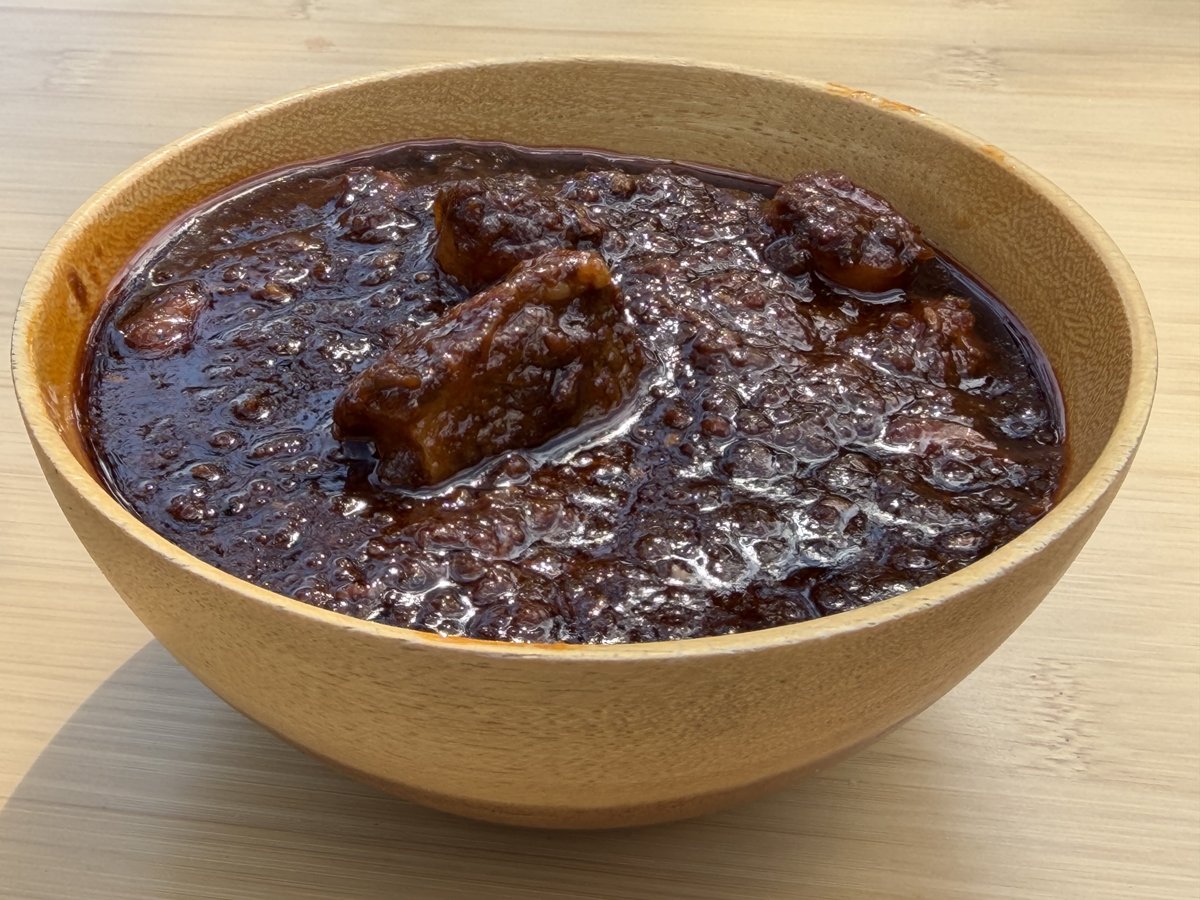
I uncovered the pot and let everything simmer until the sauce had reduced and thickened, coating the pork in a deep, earthy, intensely aromatic sauce. The result far exceeded my expectations. The aftertaste lingers like a complex oolong tea.
I had some maize flour, but it was completely the wrong kind for making tortillas. For tortillas, you need masa harina, which is made from corn that has been cooked and soaked in limewater. What I had was P.A.N. harina de maíz precocida, which is used to make Venezuelan and Colombian arepas—round, unleavened corn cakes. So I made some arepas instead, and they turned out pretty well, although I have no idea how they should taste.
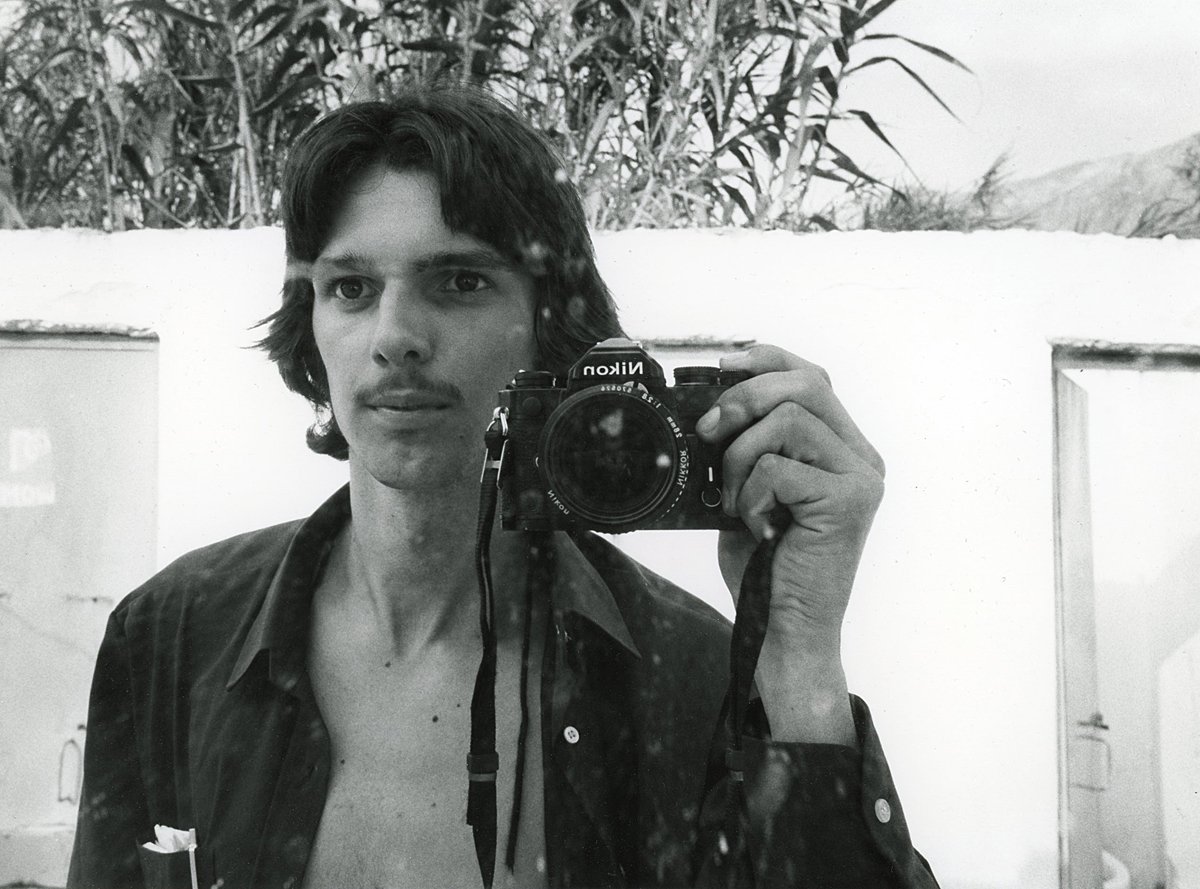
I never looked typically Dutch. In the racialized United States of the 19th century, I would have been classified as “Black Dutch,” meaning “a dark-complexioned people of uncertain origin.” Black Dutch was a real term at the time, and it didn’t refer to people we would now call Black.
Spending possibly the last summer in the house also means going through thousands of photographs—some photos taken by myself, which survived the airplane crash in 1992.
This is me at 17 years old, on my first faraway holiday without my parents, travelling to Greece with my fellow National Geographic-aspiring photographer friend Roger Overall. We took a 52-hour train journey from Duisburg in Germany to Athens, travelled all around the Peloponnese by train, and ended up in Santorini.
I remember the loud crickets, the pleasant heat, the ruins of Olympia, the tiny souvlaki (we didn’t have much money, so we ate a lot of cheap souvlaki), and the black olives of Kalamata.
This 1987 journey was a defining moment. I realised I felt quite at home in the world without my parents. The next year, at 18, I travelled to Bulgaria on my own, which was firmly behind the Iron Curtain in 1988. Even without a paper travel guide, I somehow survived through the kindness of strangers. I could not afford hotels, except for the three nights in Sofia I was required to book in order to obtain a visa.
So I slept with Bulgarians I met on the street, on couches in hotel lobbies, in the tent of some East Germans I met along the way, and even high in the Rila Mountains, where I was lucky enough to find a mountain cabin. It was wild. And from my parents’ perspective, I would simply disappear for weeks and then turn up back home. My mother was scared, but after the airplane crash, I had a strong argument in favour of travelling: staying home on 4 October 1992 would have meant being killed by a Boeing 747.
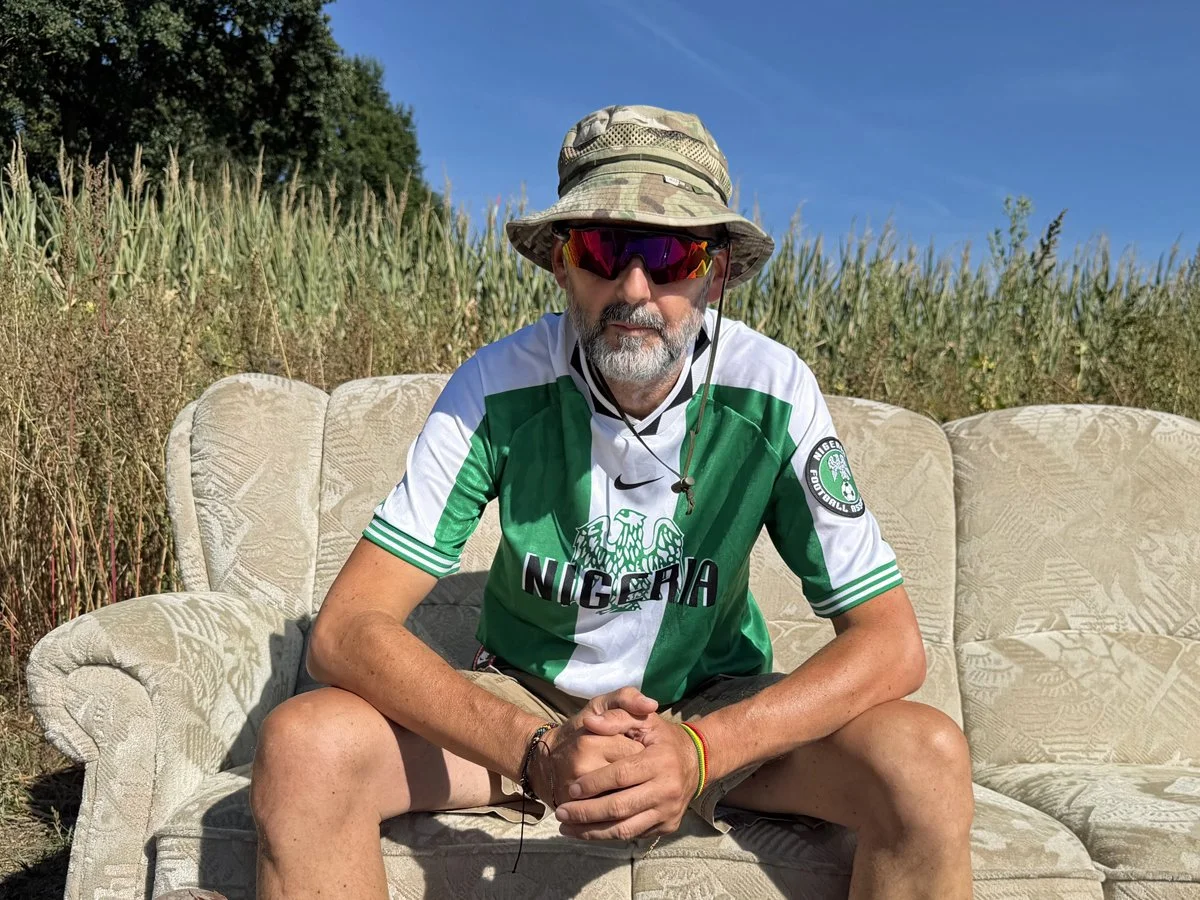
The military-style sun hat was a souvenir I bought in Kyiv.
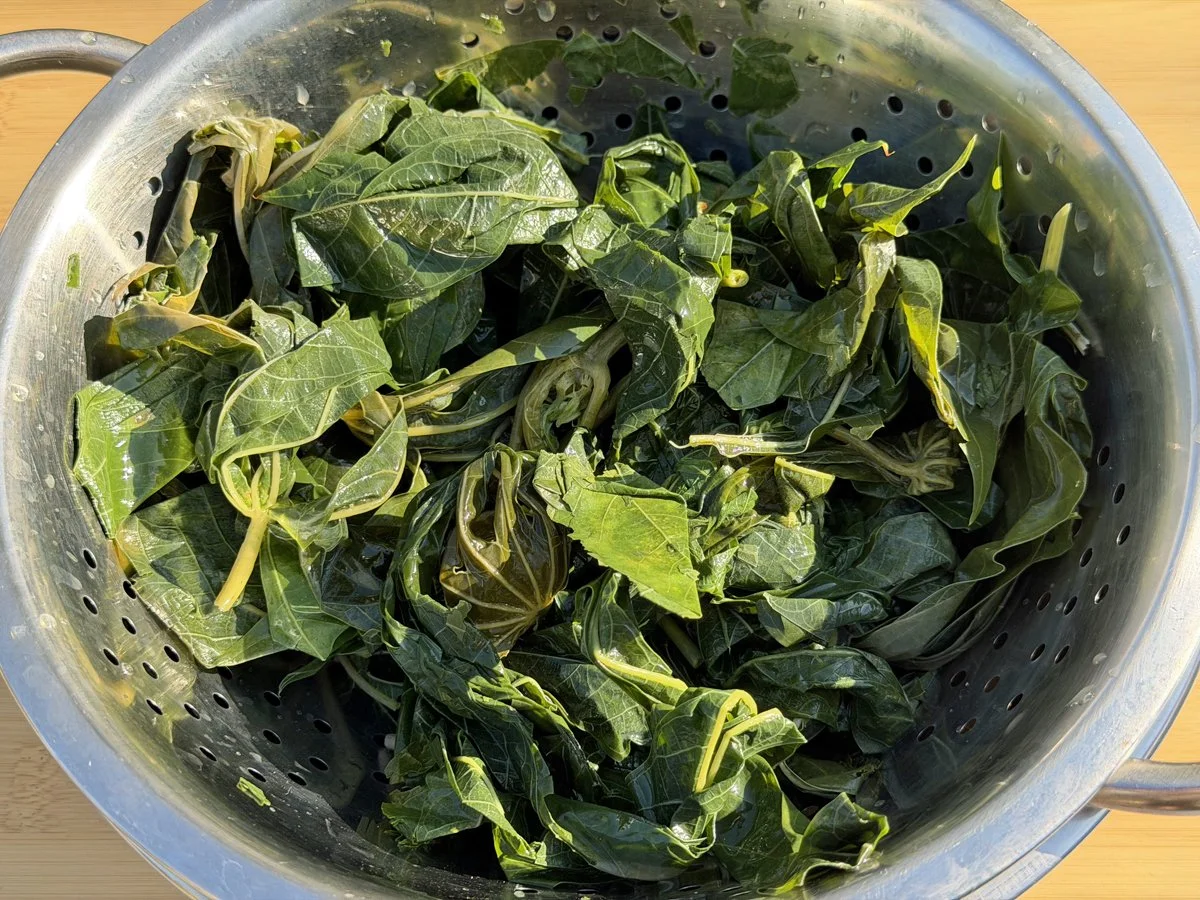
I’m a big fan of green-leaf stews, but it’s surprisingly hard to find the right leafy vegetables here. In a normal Dutch supermarket, the choice is extremely limited. Usually, the only choice is spinach but not even my favourite water spinach (kangkoeng in Indonesian). I can’t easily find amaranth (“callahoo” in West Africa) in the Netherlands, or taro leaves, which are used for a dish called “callahoo” in Trinidad, Tobago, and Jamaica. Bitawiri? Only in specialised stores in the big cities. Papaya leaves? Argh!
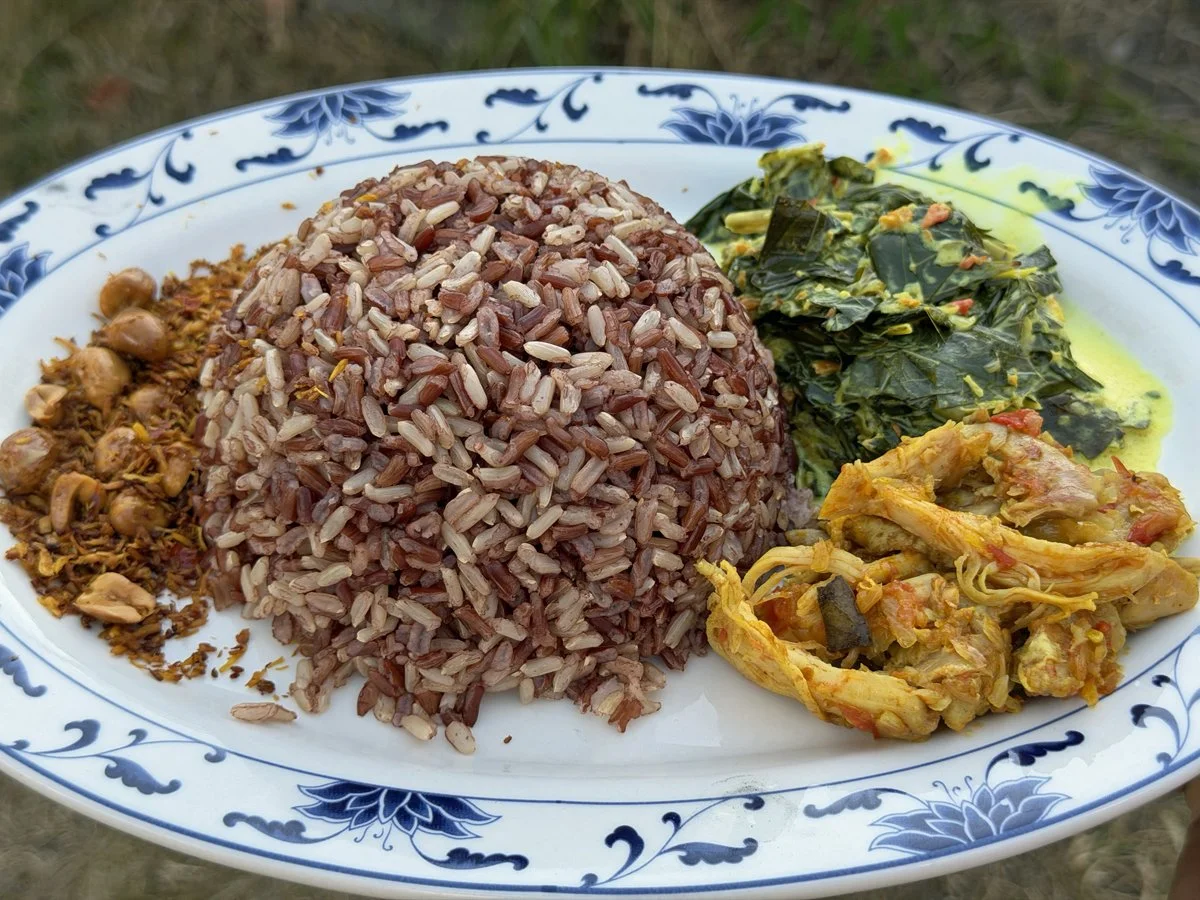
So I was very happy to find frozen cassava leaves. I turned them into Gulai Daun Singkong—cassava leaves cooked in a spiced coconut curry. Gulai is a rich, spiced curry/stew, often made with coconut milk. You first boil the leaves for about 25 minutes and then chop them. Meanwhile, you fry a boemboe (spice paste) and let it simmer in coconut milk with the usual aromatics: lemongrass, lime leaf, galangal and daun salam. Finally, you add the cooked cassava leaves and let everything come together. Chef's kiss!
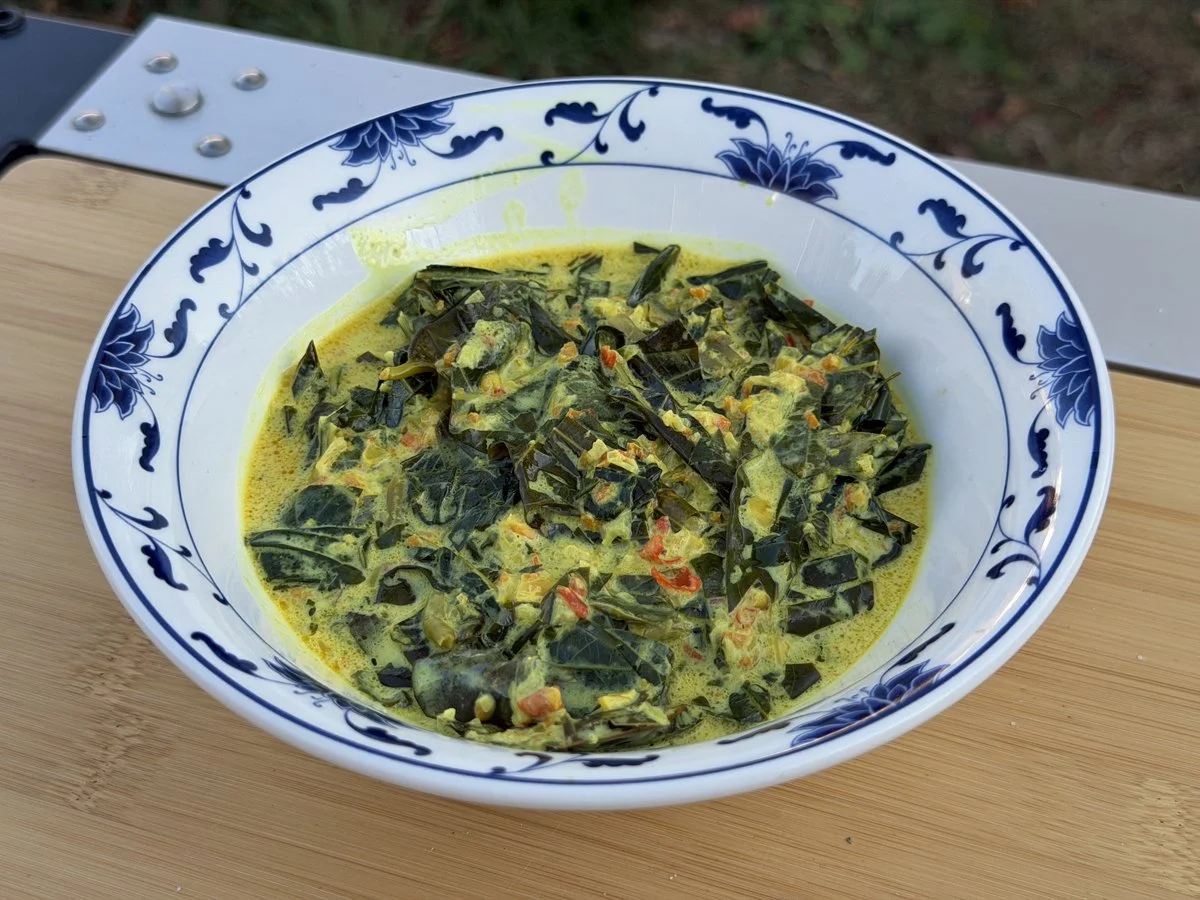
I combined the Gulai Daun Singkong with seroendeng I had made the day before. I quickly fried a chicken thigh, shredded the meat, and then made a spicy paste by frying another boemboe. I mixed everything together, wrapped it in a banana leaf, and grilled it over charcoal for about 25 minutes.
And then comes the fun part: makan pakai tangan — eating with your hands.
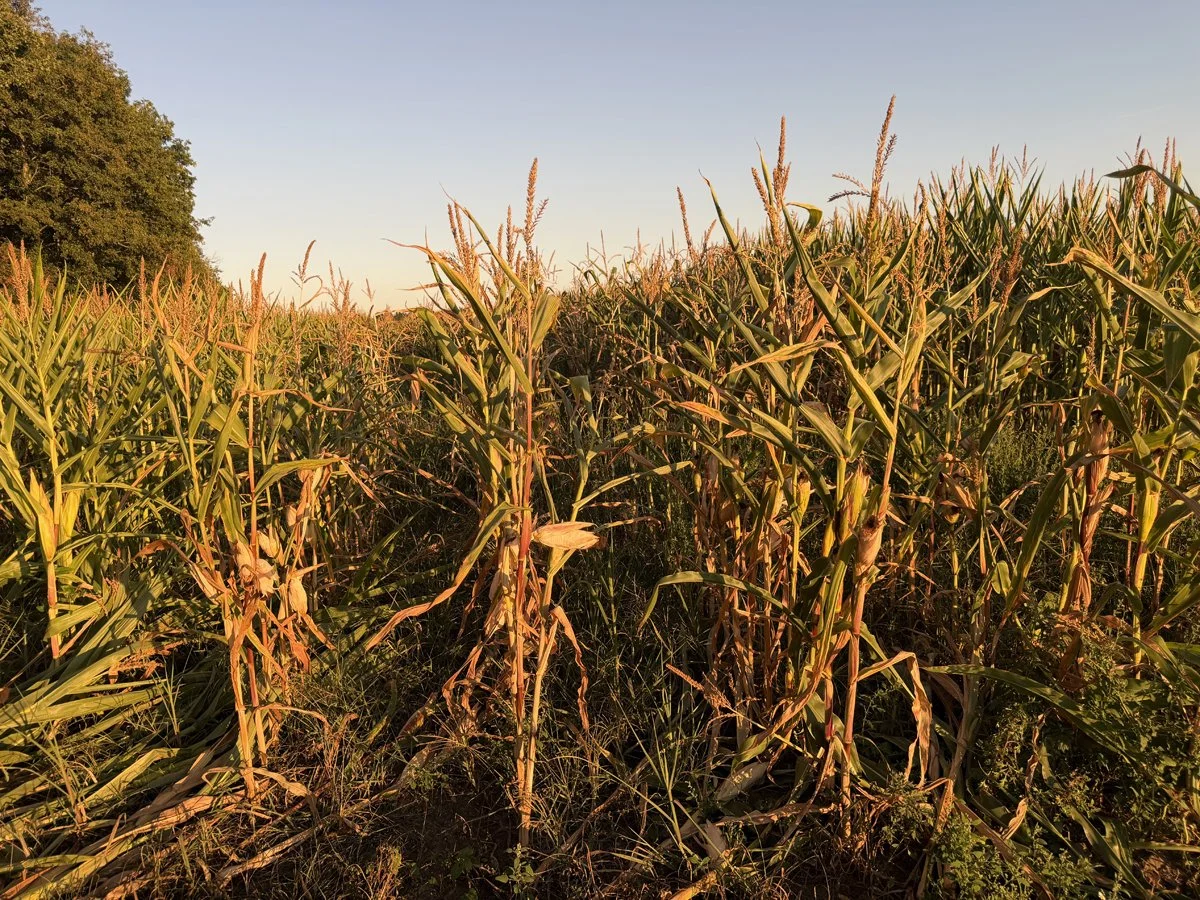
On 12 August at 8:11 pm, there was a partial solar eclipse. While Iceland and Spain experienced a total eclipse, the Netherlands saw about 90% coverage. It was dark enough for nature to fall completely silent, yet even that remaining 10% of sunlight was surprisingly bright. I toggled the mute button on my iPhone to enjoy the silence. For the best view I walked to the Mister Es, a historic and scenic single es—a raised ridge of arable land on a cover-sand ridge in our hamlet Miste.
I didn’t have special eclipse glasses or a telephoto lens, so I turned around and photographed the maize field, eerily glowing in the strange, fading sunlight. A hare nearby didn’t seem bothered by my presence. Other than the hare, I was completely alone, and offline.
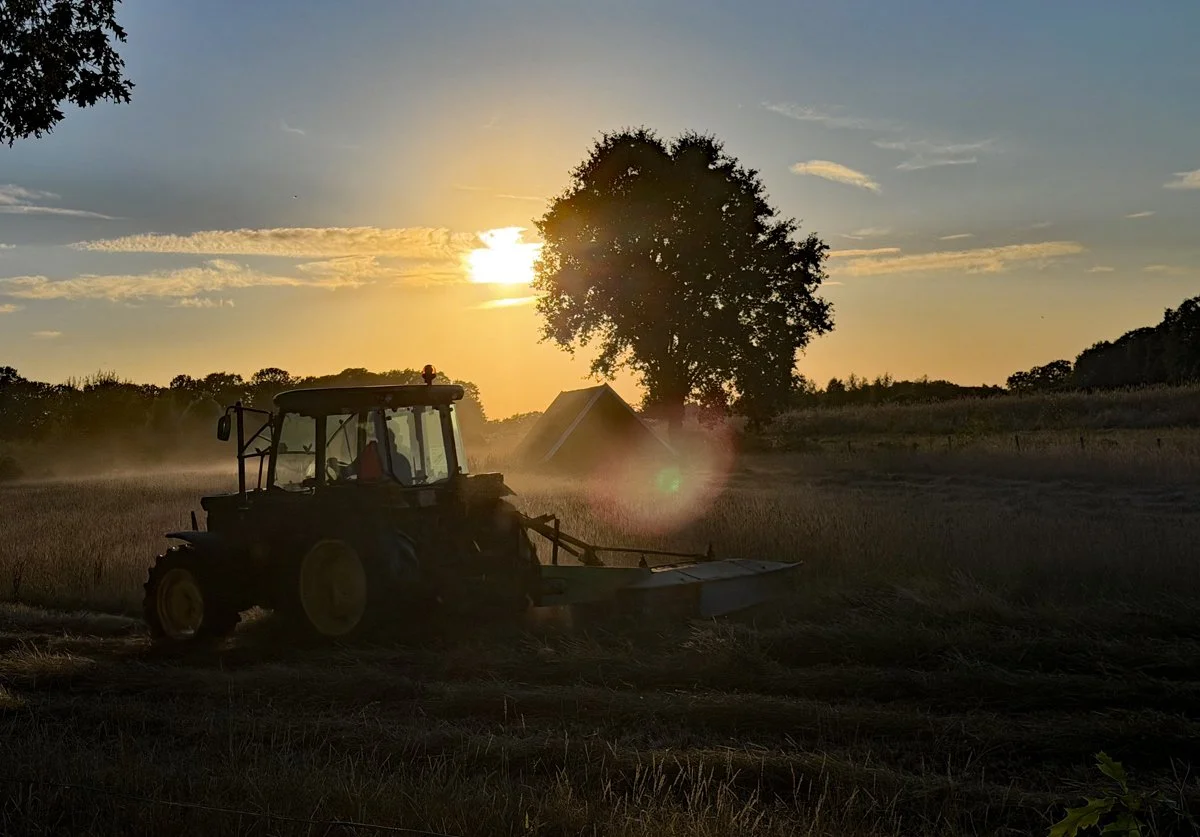
By mid-August, the sun sets much earlier than it did at midsummer two months ago. My evening cycling rides are much shorter now, which makes me sad because it feels like the first announcement of autumn. From here on, life will be very different until May next year.
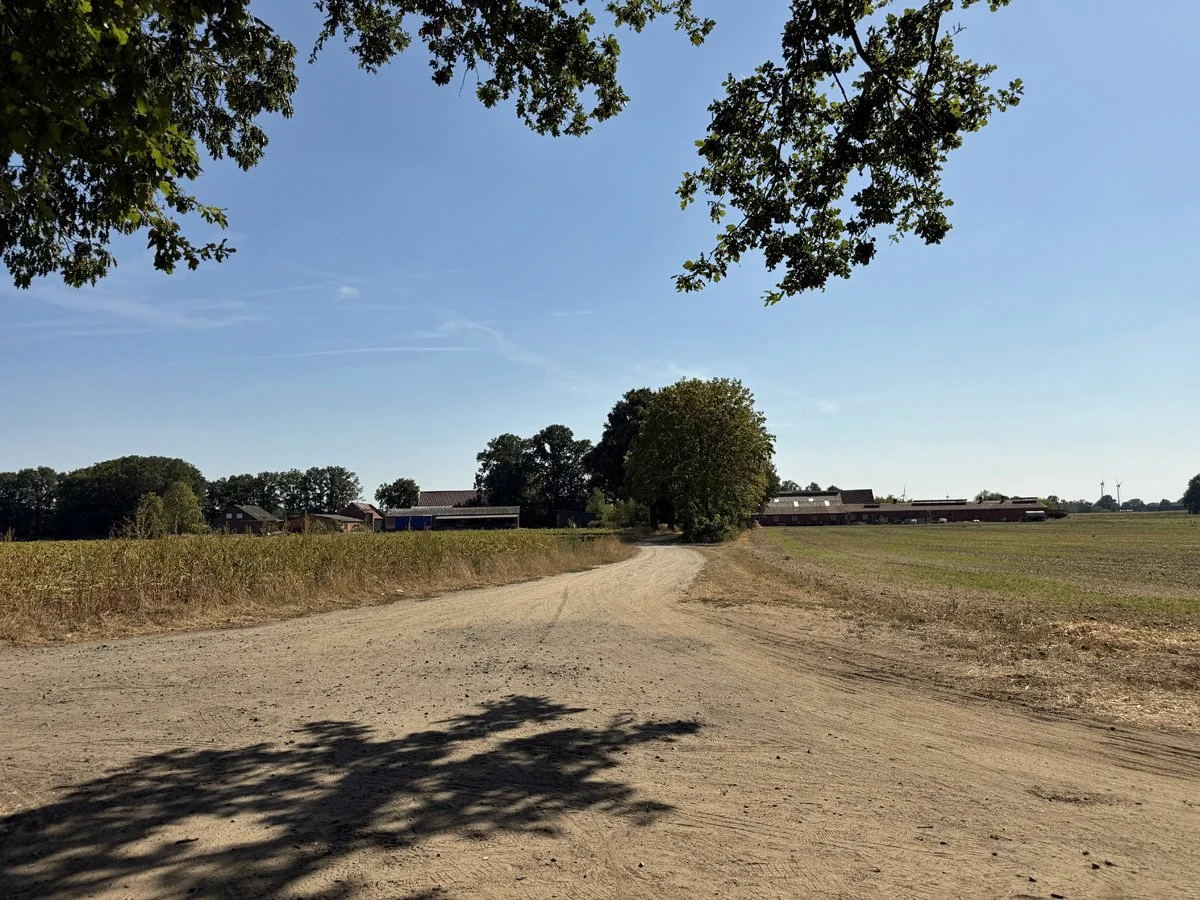
My bicycle is classified as an adventure or gravel bike, so it feels right at home on unpaved roads. The photo below was taken standing on the 1765 border between the Netherlands and Germany, looking towards Germany.
The border itself is even older. It was originally a border zone between Gelre (Gelderland) and the Prince-Bishopric of Münster, but on 19 October 1765, the two sides formally settled the disputed boundary. In 1766, the boundary was physically marked in the landscape with 186 sandstone boundary posts, many of which still survive today.
When I took this photo, it was 35°C, which — even for me — was pretty hot for cycling.
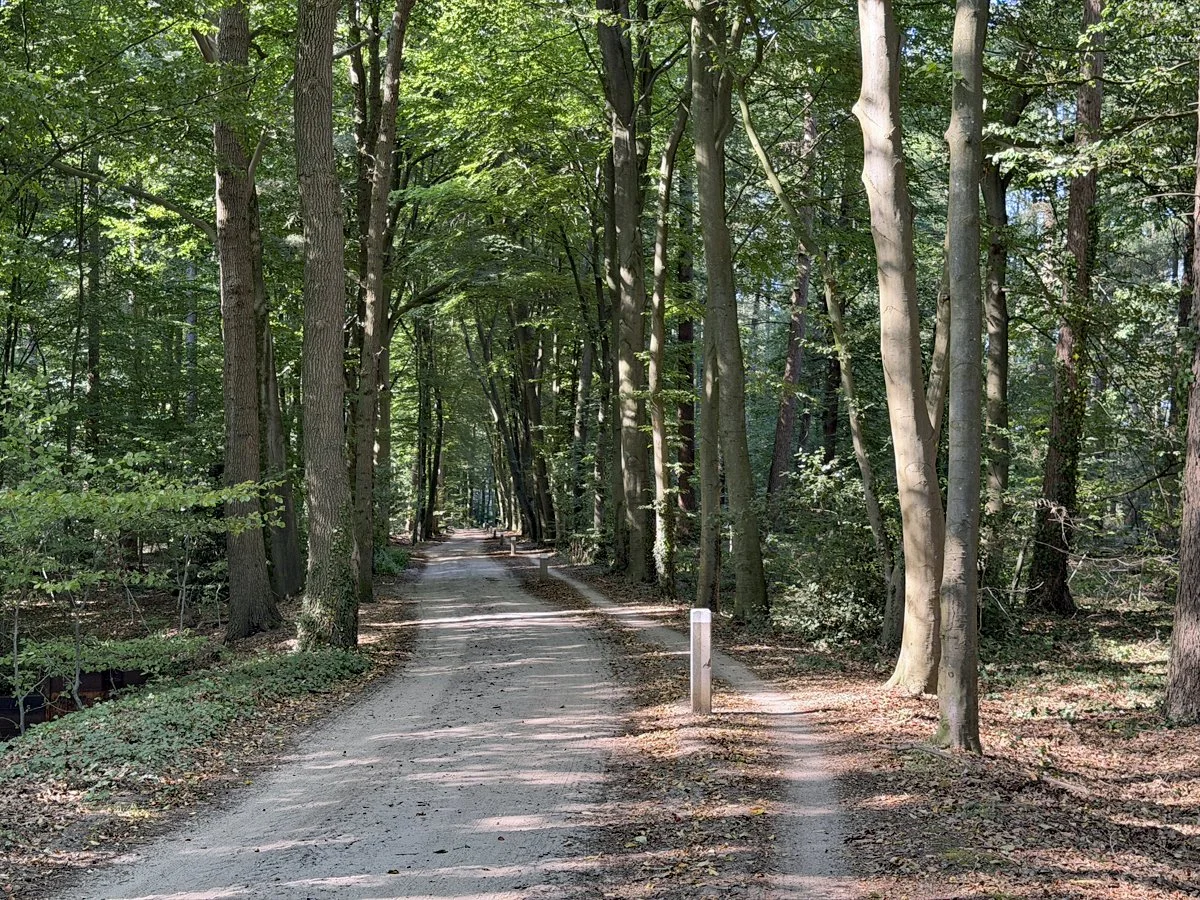
A typical wooded part of the coulissenlandschap. There’s no direct English equivalent, although bocage landscape comes close. Many of the roads through the forest are still unpaved, with a narrow bicycle path running alongside the track for vehicles. In summer, the wider sections turn into loose sand, making them almost impossible to cycle on, while the bicycle path has a much harder surface.
The old railway track, the Borkense Baan, runs between Borken in Germany and Winterswijk in the Netherlands. Before I was legally allowed to have a passport at 16, I figured that following the track with my bicycle in hand would be the safest way to avoid getting caught by a patrolling customs officer (kommies). And so I smuggled myself into Germany.
By 1979, the railway was no longer in use, although the line wasn’t formally closed until 1994. The border had long been used for smuggling. In the 1950s and 1960s, coffee and tobacco were significantly cheaper in the Netherlands, and Germans would actually walk along the railway track to buy cheap goods—and sometimes even cattle!—while avoiding the official border crossings. So perhaps my childhood idea wasn’t quite as crazy as it sounds.
I was never caught.
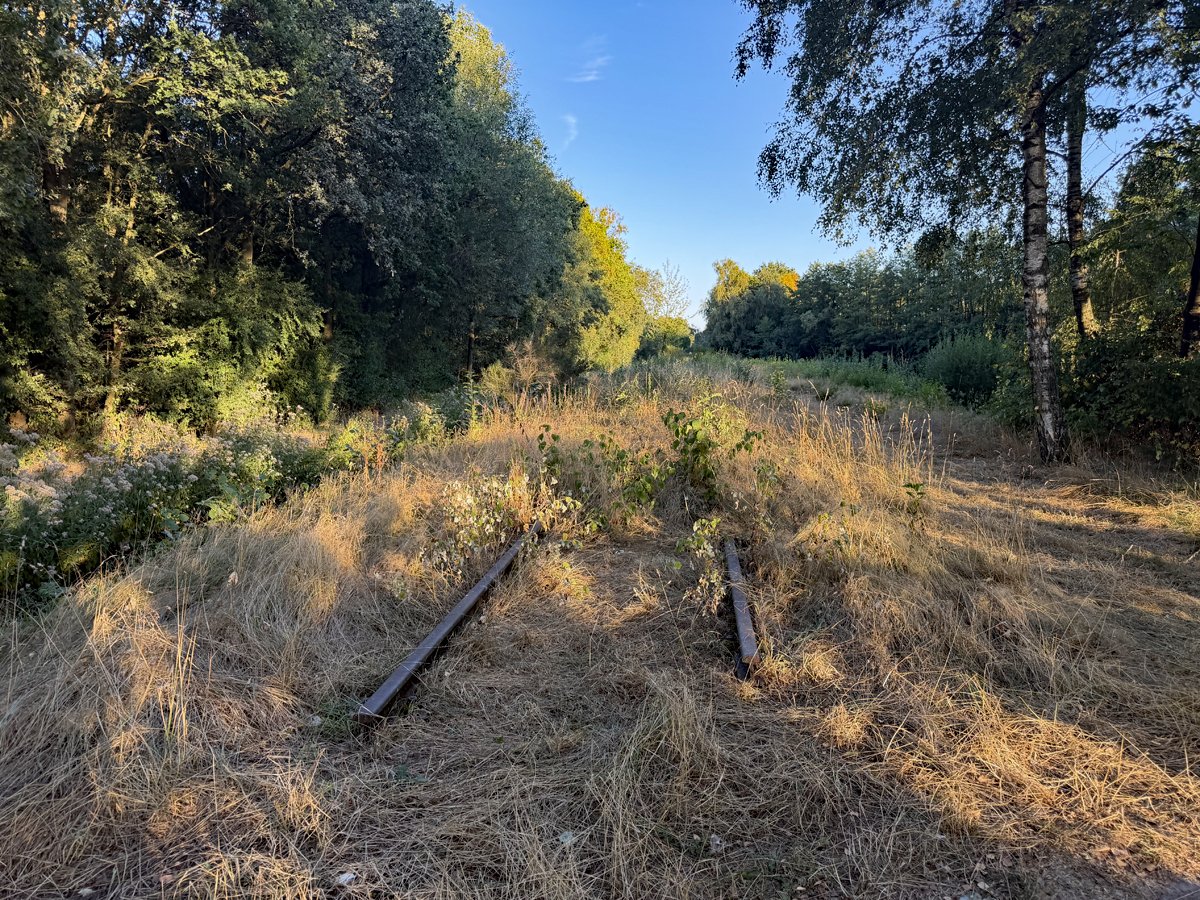
The former railway track is now owned by Natuurmonumenten and Geldersch Landschap & Kasteelen.
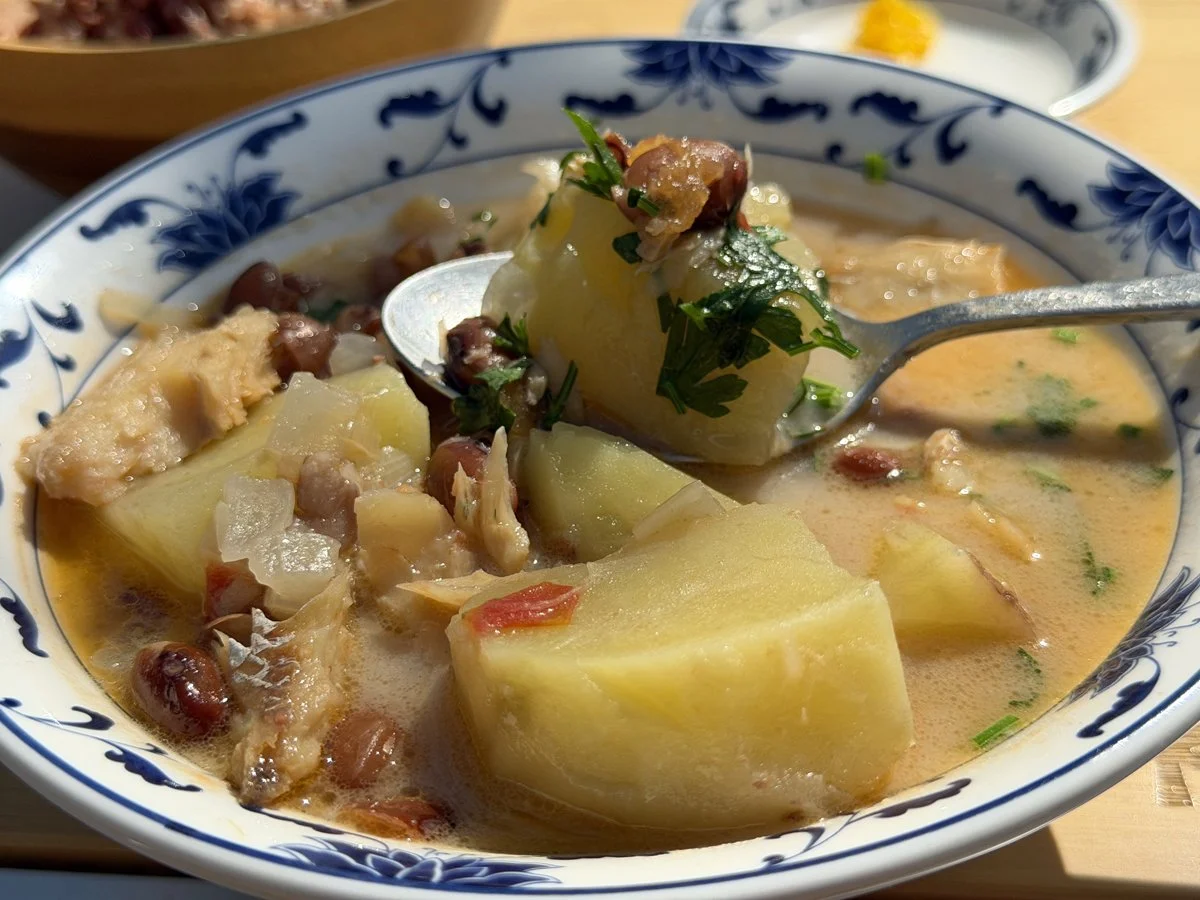
Brown beans and sweet potato coconut-milk stew. Potatoes and sweet potatoes both belong to the order Solanales, but they come from very different families. Sweet potatoes belong to the Convolvulaceae, or morning-glory family. They are actually more closely related to water spinach (kangkung) than to potatoes.
Some other recipes I tried were charcoal-grilled halloumi (drizzled with olive oil, lemon juice, and oregano) and Balinese grilled pork belly. I had a tiny piece of pork belly that had been living in my freezer for many months, so I finally decided to do something with it. I marinated the pork (babi) in a Balinese spice mixture, then grilled it on the cooler side of my grill to slowly render some of the fat. Finally, I moved it directly over the charcoal for about 10 minutes to finish it off.
An Iranian colleague gifted me an Iranian cookbook, Persian Feasts: Recipes & Stories from a Family Table (Phaidon Press Ltd, 2024). I was sure I’d have time to try some of the recipes, but before I knew it, two weeks had passed. By the last weekend, I was still cooking my way through the contents of my fridge from two weeks earlier!
But I do have my eyes set on a khoresh (خورش), though there are so many to choose from. I think I’ll first try Khoresht Ghormeh Sabzi. Slow-frying finely chopped fresh herbs in oil until they turn dark green, almost black, is what gives this stew its defining flavour. I’ve tried this technique before, and it’s amazing how the parsley and cilantro suddenly become intensely fragrant as they darken.
For Khoresh-e Karafs (Persian Celery Stew), on the other hand, it’s the addition of fresh mint that does the trick. Simmering the mint leaves brings the aroma to the dish.
I did manage to make Bademjan Borani—charcoal charred eggplant with pomegranate molasses. You mix the smoky eggplant flesh with fried garlic, onion, and tomato, then combine it with ground walnuts, pomegranate molasses (and pomegranate juice, if you have it; otherwise, water), turmeric, dried mint, salt, and black pepper.
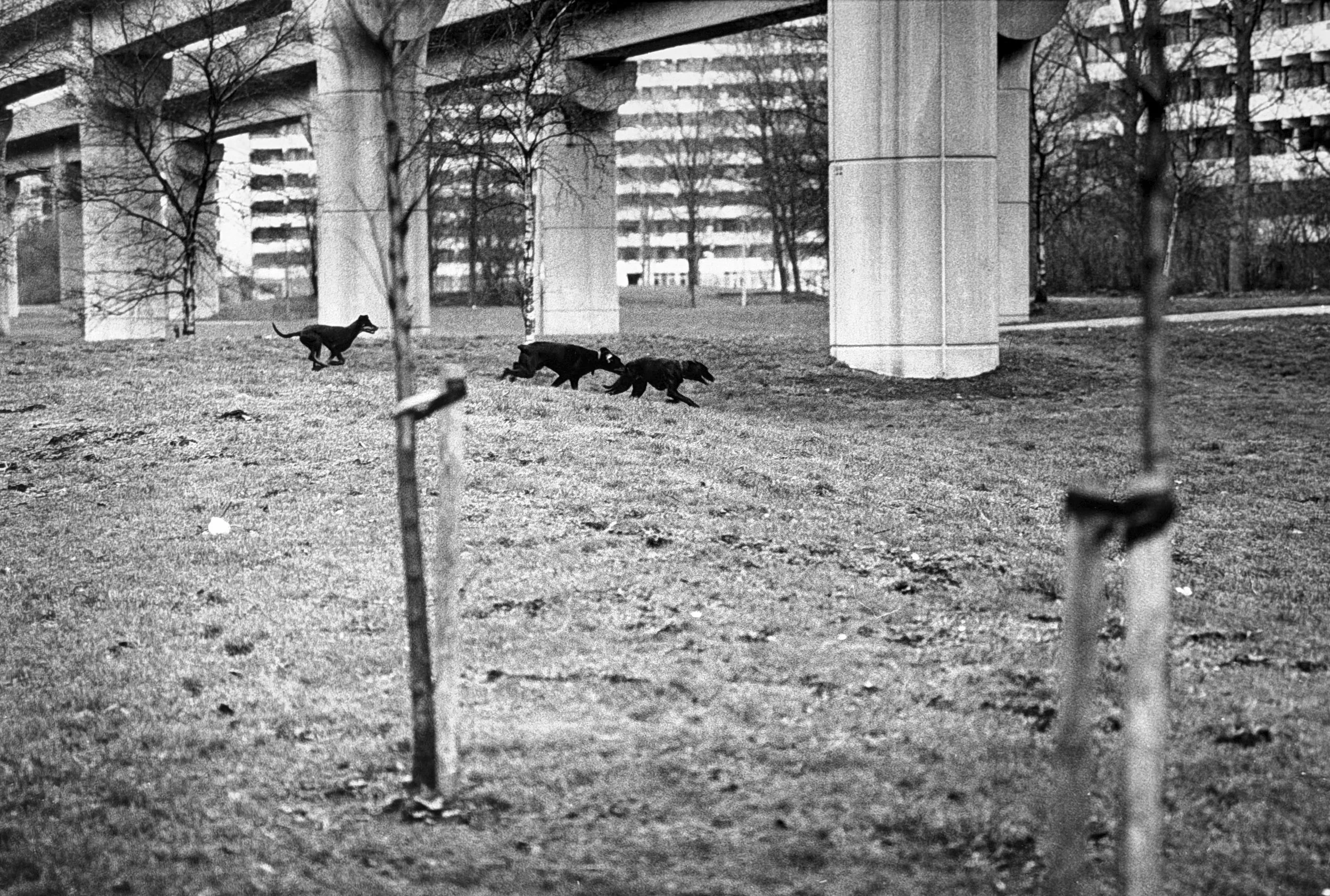
Modernist urban design with two levels of traffic.
I haven’t moved house that many times in my life. I moved from Doha, Qatar, to The Hague, then to the hamlet of Miste, back to The Hague for my studies, and eventually to Amsterdam Bijlmermeer for my internships. In Amsterdam, I had to move once after my home in the Bijlmer was destroyed.
The Bijlmer was a concrete jungle, but it had its own beauty. In the year before the crash, I had started to fall in love with the place and its multicultural character. For the past eight years, while helping my parents navigate old age, I’ve had the luxury of living in Amsterdam during the week and in the countryside at weekends. That is about to end.
I’m not sure yet how hard this will be for me. I still have a latent stress response from the Bijlmerramp. After 1992, I didn’t travel for years. When I finally started travelling again in 1995, I remember feeling relieved when I returned to find my home still there. Of course it was—but fear is seldom rational. Losing another place—and the backyard that comes with it—will not be easy.
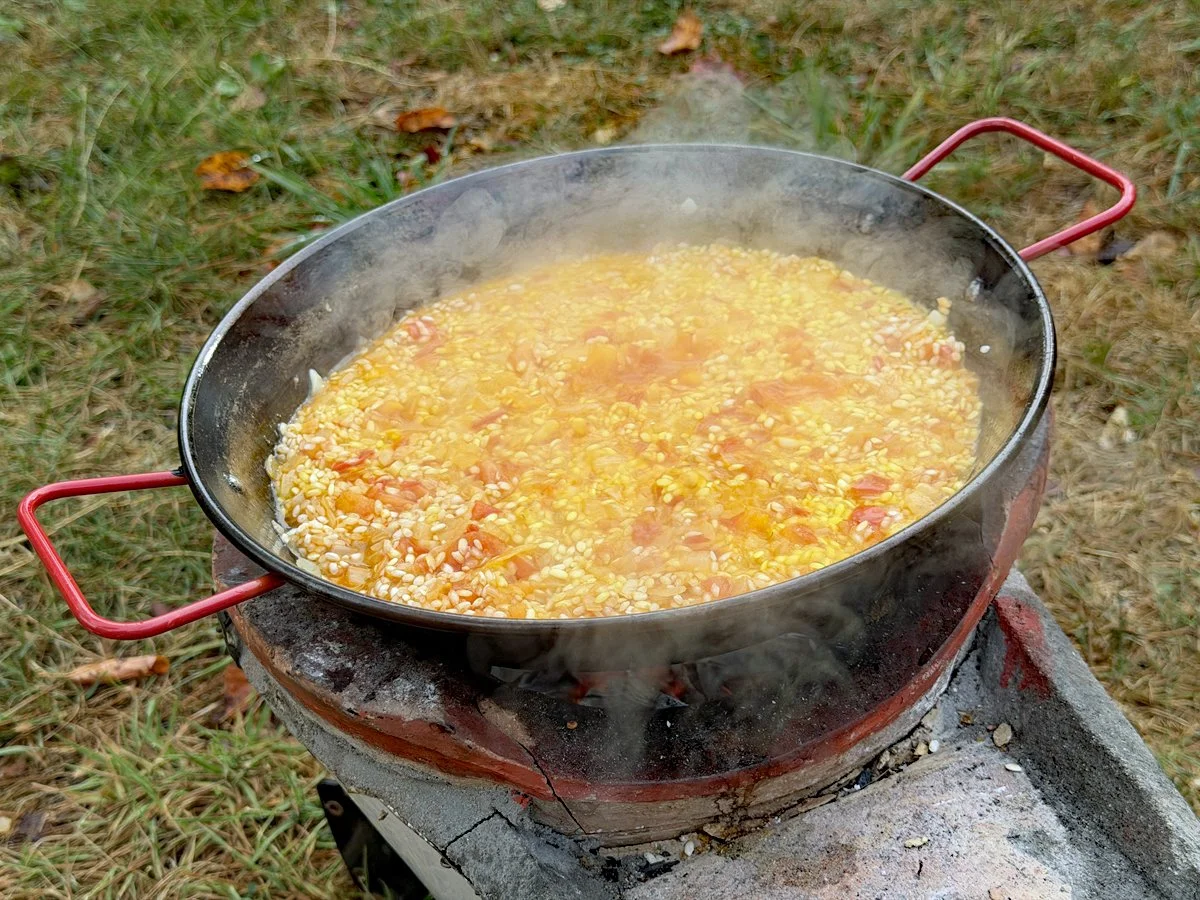
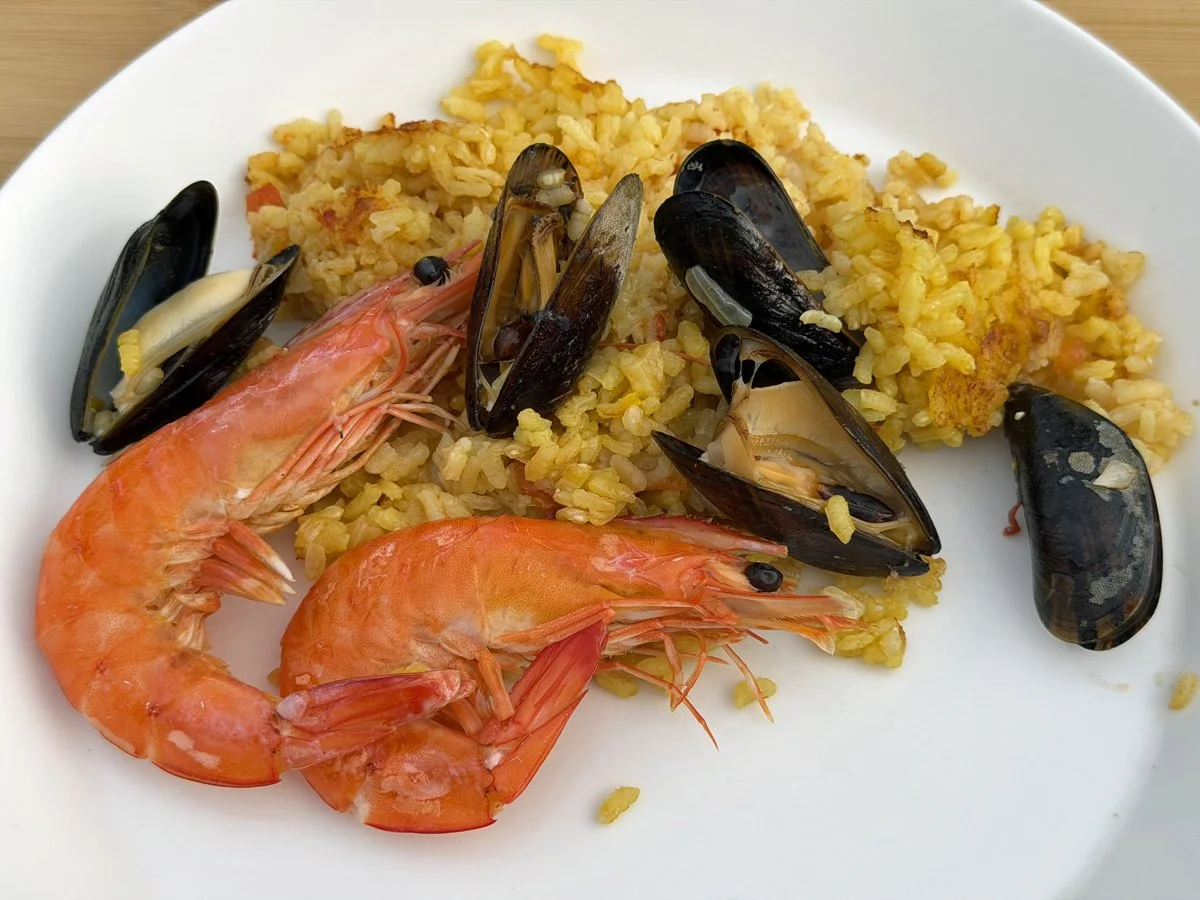
I made seafood paella again. First the sofrito, then the Albufera rice, crustacean stock, and saffron. This time, I added gamba to the mussels. The paella developed a good socarrat.
A Valencian paella might have been more appropriate, since it had just rained—the heat is gone—and there were snails everywhere—but unfortunately, not the edible kind. Besides, it had to be seafood: I only made the paella because I had a tightly closed jar of fumet de gambas left over from the summer of 2025.
Epilogue
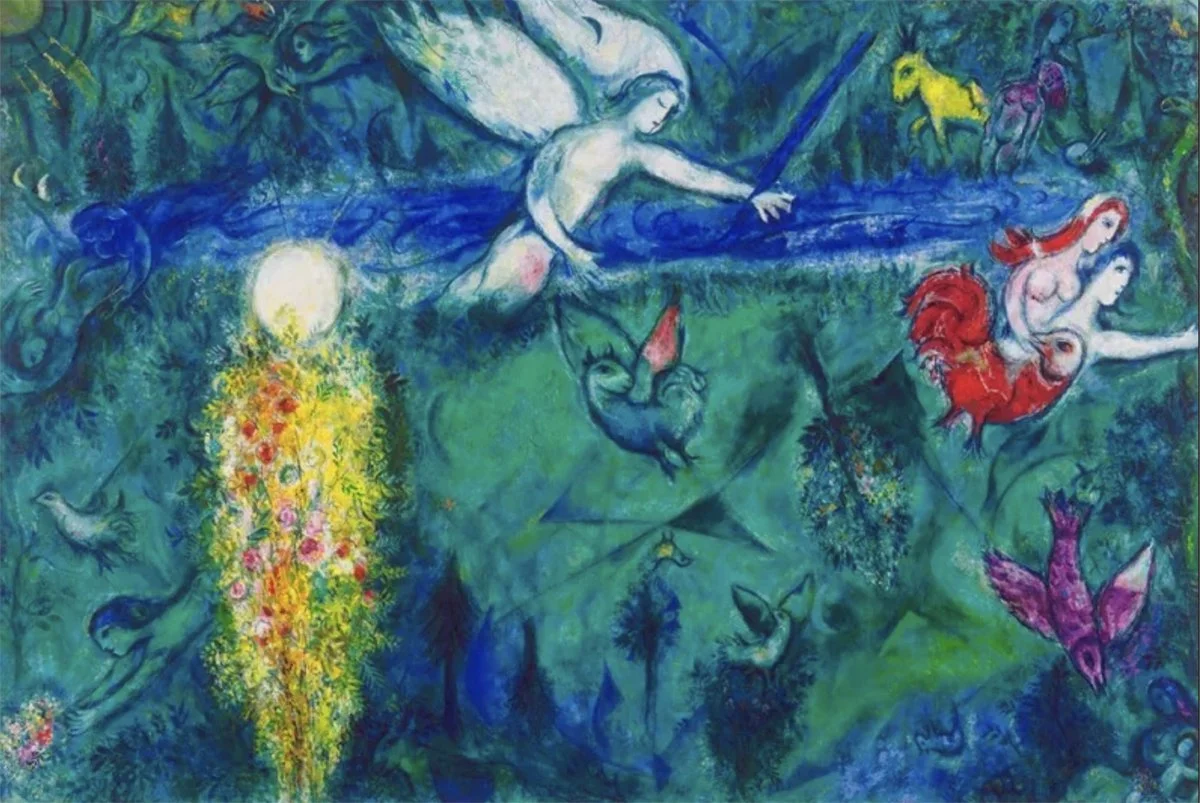
Adam et Eve chassés du Paradis, 1961.
It is not hard to express how I feel. The house hasn’t been sold yet, but leaving the garden feels like being expelled from paradise. There is no way back, but I will probably spend the rest of my life searching for another paradise, a Mystic Garden, a secluded place in the sun among the flowers and insects.